




More Than Just Twisting
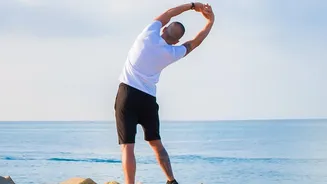
The standing torso twist is a dynamic exercise that involves rotating your upper body from side to side while your lower body remains stable. At first glance, it seems simple enough: stand and twist. However, the effectiveness of this movement doesn't
come from just swinging your arms or forcefully turning your shoulders. It's a controlled rotation originating from your core. This exercise is designed to improve spinal mobility, strengthen the muscles that support your torso, and warm up the body for more complex movements. When performed correctly, it’s a functional exercise that mimics everyday actions, from reaching into the back seat of a car to playing a sport like golf or tennis.
Understanding Your Core's Role
Many people think 'core' just means the 'six-pack' abs (the rectus abdominis). But your core is a complex group of muscles that wraps around your entire trunk, including the internal and external obliques on your sides, the transverse abdominis (your deepest abdominal muscle), and muscles in your lower back and even hips. During a standing rotation, the core has two jobs: to initiate the twist and to protect your spine. The obliques are the primary movers, contracting to pull your rib cage around. Meanwhile, the entire core musculature works together to keep your spine stable and prevent injury. Without this engagement, you risk putting unnecessary strain on your lower back.
How to Twist the Right Way
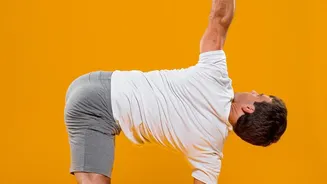
To get the most out of your standing torso twists, form is everything. Start by standing with your feet shoulder-width apart and your knees slightly bent. Before you move, actively engage your core. Imagine you are about to be lightly punched in the stomach; that bracing sensation is what you're aiming for. You can place your hands on your hips, cross them over your chest, or hold them out in front of you. Initiate the twist from your torso, not your arms or shoulders. Rotate slowly and with control to one side, keeping your hips and legs as still as possible. The movement should come from your mid-section. Feel the stretch and contraction in your obliques. Rotate back to the centre and then to the other side. Breathing is also important: exhale as you twist and inhale as you return to the centre.
Common Mistakes to Avoid
The most frequent error is using momentum instead of muscle. Whipping your body back and forth quickly doesn't work your muscles effectively and can lead to lower back pain. Another mistake is moving your hips and legs along with your torso. The goal is to create separation between your upper and lower body, which forces the core to work harder. Keeping your lower body stable is crucial. Also, avoid over-rotating. Don't force the twist beyond a comfortable range of motion, as this can strain your spine. Finally, make sure you aren't just moving your arms. The arms should follow the torso, not lead the movement. The power and rotation must originate from your core.
Benefits of a Strong Rotational Core
Performing standing torso twists correctly helps build a strong, resilient core that's prepared for real-world demands. This rotational strength improves your stability and balance, which can help prevent falls and injuries in daily life. For those who play sports, a strong rotational core is essential for generating power in movements like swinging a bat, racquet, or golf club. Studies have shown that rotational exercises can significantly improve club head speed in golfers. Furthermore, these exercises improve functional fitness, making everyday tasks like lifting groceries or gardening easier and safer. It also promotes better posture and spinal health by strengthening the very muscles designed to support it.