




First, Become a Sunlight Detective
Before you buy a single plant, the most crucial step is to understand the sunlight your balcony actually receives. Don't just label it 'sunny' or 'shady'. Instead, spend a day observing. Note when direct sun first hits your balcony floor or railings and when it leaves.
A simple way to check is by looking for sharp, clear shadows; if an object casts a distinct shadow, it's in direct sun. Track these patterns for a few hours to get a real sense of your space. Is the light strongest in the morning (east-facing) or the hot afternoon (west-facing)? Does a neighbouring building or an overhang block the sun for part of the day? This observation costs nothing and is the single best predictor of your future gardening success.
The Simple Rules of Light
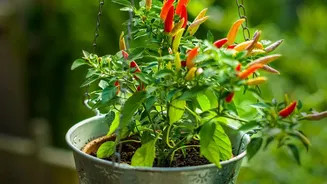
Once you know your light pattern, you can match plants to your conditions. Think of it like this: full sun is 6 or more hours of direct sunlight, partial sun or shade is about 3 to 6 hours, and full shade is less than 3 hours of direct sun. South-facing balconies tend to get the most sun, making them ideal for sun-lovers like lavender, succulents, peppers, and tomatoes. East or west-facing spots that get morning or afternoon light are perfect for plants that can't handle intense heat all day, such as lettuce, kale, and many flowering annuals. North-facing or heavily shaded balconies can still be beautiful green spaces, perfect for lush foliage plants like ferns, hostas, and coleus that thrive without direct sun. The key is to read the plant tag and choose what fits your light, not the other way around.
Ditch the Schedule, Use Your Finger
The most common mistake in balcony gardening is improper watering. There are no hard and fast rules about watering every day or every other day. Factors like pot size, wind, and heat change how quickly soil dries out. The best tool you have is your finger. Before you water, stick your finger about an inch or two into the soil. If it feels dry at that depth, it's time to water. If it feels moist, wait another day. This simple test prevents both overwatering, which leads to root rot, and underwatering, which stresses the plant. Eventually, you'll learn your plants' cues, like slight drooping or fading colour, but the finger test is the most reliable starting point.
How to Water the Right Way
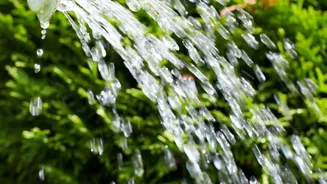
When you do water, do it thoroughly. Pour water slowly at the base of the plant until you see it run out of the drainage holes at the bottom of the pot. This ensures the entire root ball is saturated and encourages roots to grow deeper. A quick sprinkle on the surface doesn't do much good. The best time to water is in the morning. This allows the plant to hydrate before the heat of the day and lets any water on the leaves dry in the sun, which helps prevent fungal diseases. Watering in the middle of a hot day is inefficient, as much of the water will simply evaporate. During peak summer heat, you may need to check your pots daily, or even twice a day for smaller containers.
Beyond the Basics: Pots and Soil
While light and water are critical, your success also depends on a good foundation. One of the biggest mistakes beginners make is using containers that are too small or have no drainage holes. Proper drainage is non-negotiable; without it, water sits at the bottom and rots the roots. Larger pots hold more soil, which means they retain moisture longer and give roots more room to grow. Also, avoid using heavy soil from a garden bed. Instead, choose a quality potting mix. These mixes are specifically designed for containers to be lightweight and provide the right balance of drainage and water retention, setting your urban greenery up for a long, healthy life.