

More Than Just a Light Show
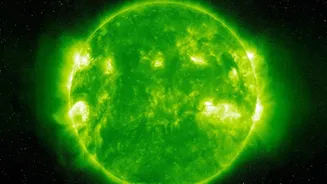
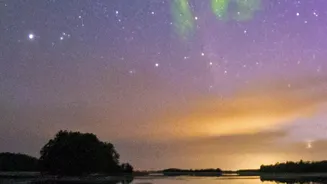
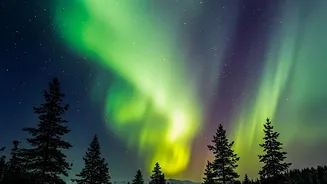
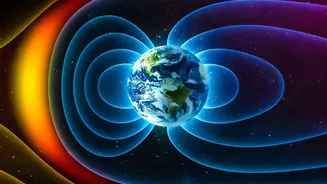
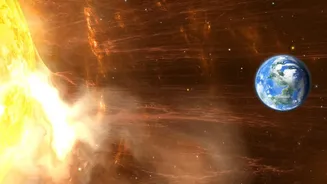
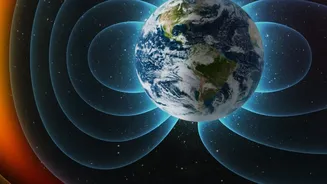
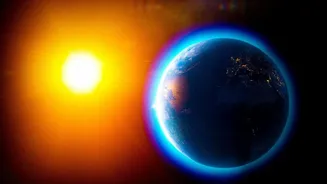
The northern and southern lights are the visible signs of a complex interaction between the Sun and Earth. Our planet is constantly bathed in the solar wind, a stream of charged particles flowing from the Sun. Earth’s magnetic field, or magnetosphere,
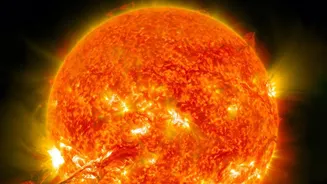
shields us from this flow, but sometimes, the Sun unleashes a much larger eruption called a coronal mass ejection (CME). When a CME interacts with our magnetosphere, it can trigger a chain of processes that not only create stunning auroras but also have the potential to disrupt our technology-dependent lives. These events are a core focus of space weather research, which seeks to understand and predict these powerful solar tantrums.
Anatomy of an Auroral Substorm
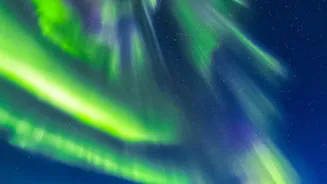
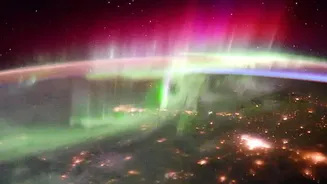
While large geomagnetic storms are relatively rare, a more frequent and intensely dramatic event is the auroral substorm. A substorm is a brief but violent disturbance in Earth’s magnetosphere. It happens when energy from the solar wind gets stored and stretched in the 'magnetotail'—the part of our magnetic field that extends away from the Sun—and is then suddenly and explosively released. This release sends a cascade of energetic particles hurtling down Earth’s magnetic field lines into the upper atmosphere. The result, as seen from the ground, is a sudden and brilliant brightening of the aurora, which can rapidly expand to fill the entire sky with rippling curtains of light. This intense phase, though awe-inspiring, often lasts only 10 to 30 minutes.
A Coordinated View from Above and Below
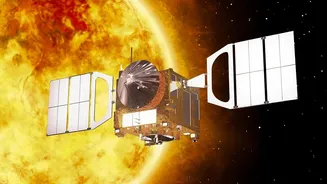
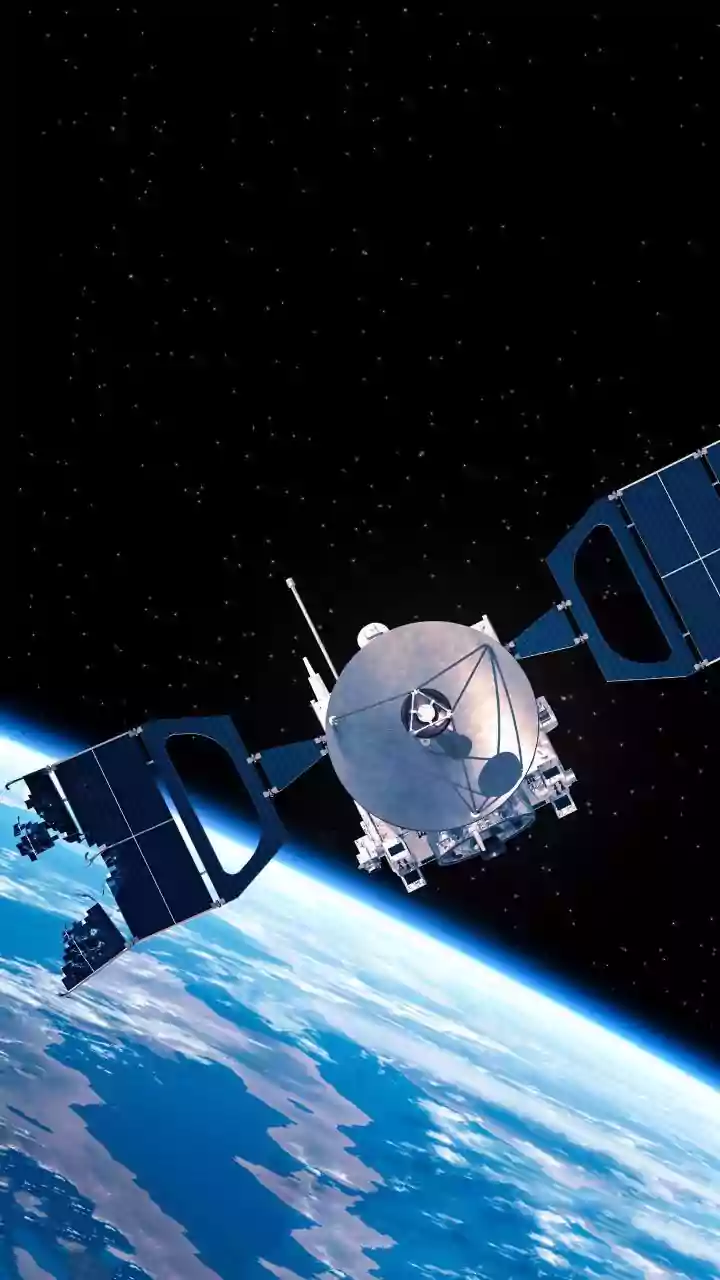
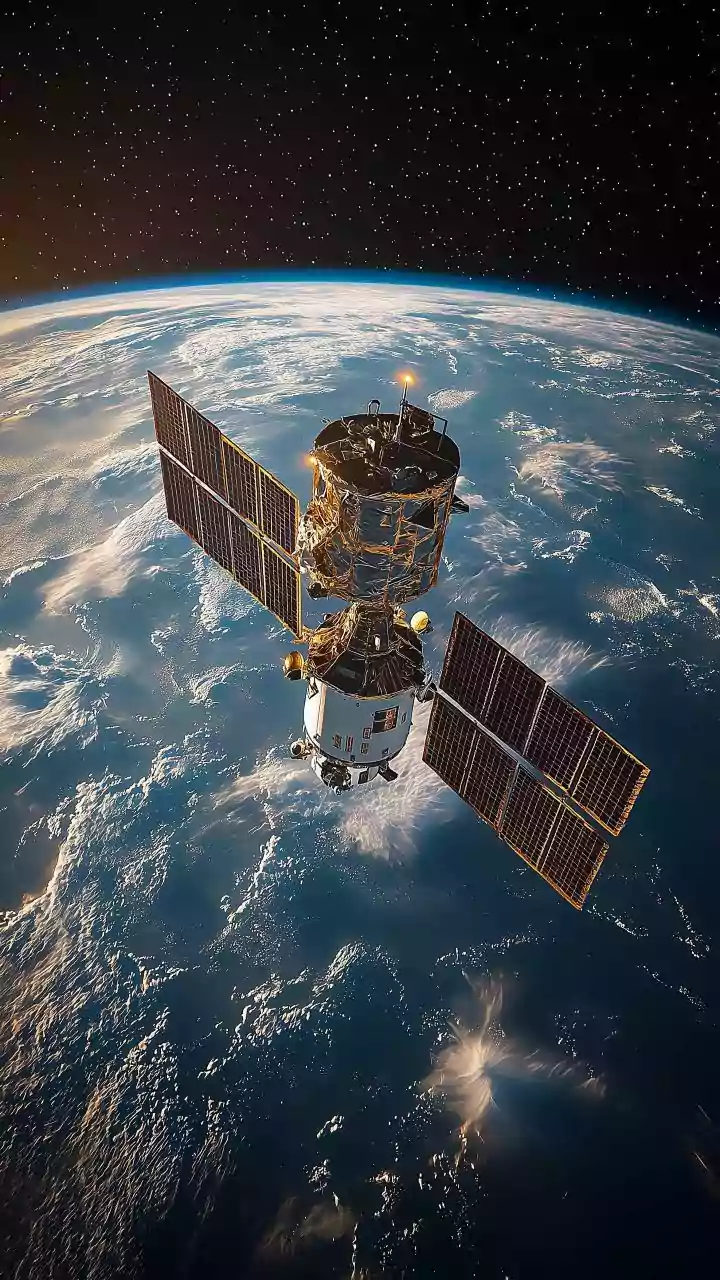
To truly understand what triggers a substorm, scientists need to observe the event from multiple angles simultaneously. This is where a combination of spacecraft and ground-based instruments becomes crucial. A prime example is NASA's THEMIS (Time History of Events and Macroscale Interactions during Substorms) mission, which uses multiple satellites to measure particles and fields directly in the magnetotail, where the substorms originate. The goal is to determine the precise location and timing of the explosive energy release. Meanwhile, a network of ground-based observatories, equipped with all-sky cameras and magnetometers, watches the effects from below. These ground stations track the visual evolution of the aurora and measure the resulting magnetic disturbances on Earth's surface.
Connecting the Dots in Real Time
By combining the 'eyes in the sky' with the 'boots on the ground', researchers can connect the events happening tens of thousands of kilometres away in space with their visible manifestation in our atmosphere. For example, when the THEMIS satellites detect an explosive event known as 'magnetic reconnection' in the magnetotail, scientists can look at the ground data to see exactly when and where the aurora brightens in response. This synchronized approach allows them to track the entire chain of events, from the initial energy release in space to its arrival in the upper atmosphere just minutes later, providing a complete picture of the substorm system.
Why Substorm Research Matters for India
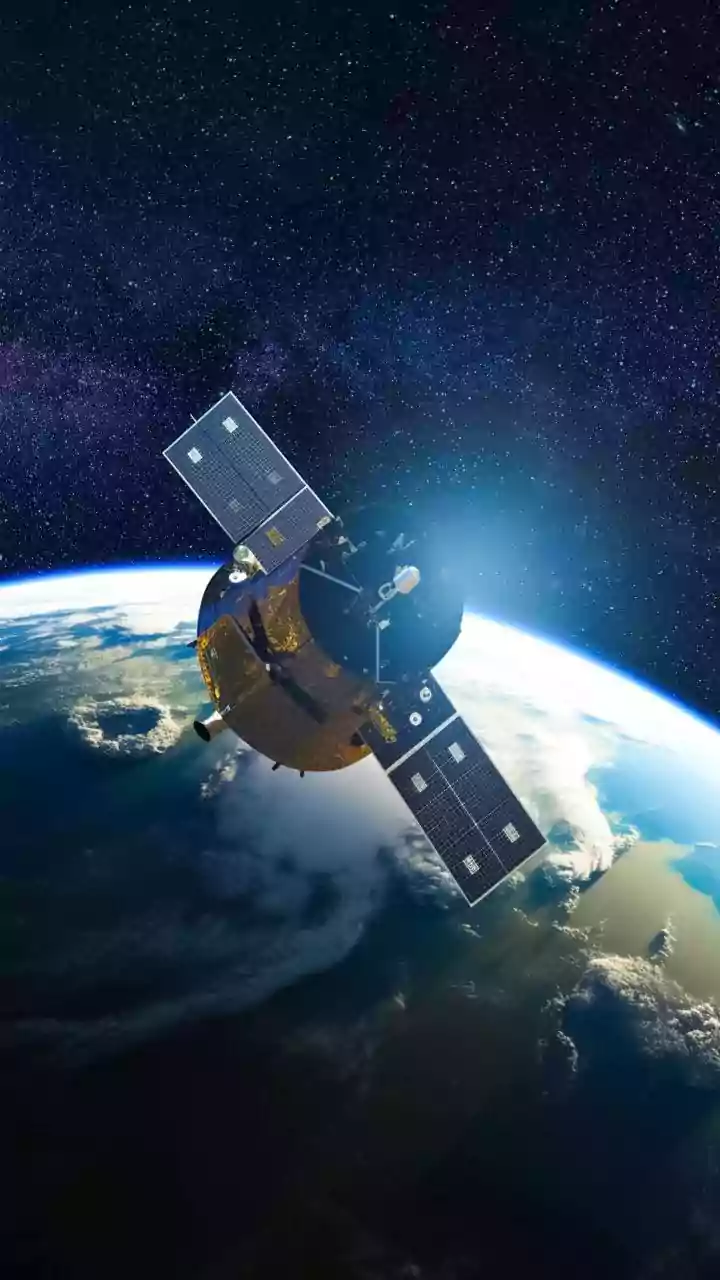
This research is not purely academic. The same energetic particles and electrical currents that create beautiful auroras can have serious consequences for our infrastructure. Space weather can damage satellites, disrupt GPS signals, and induce harmful currents in power grids. As India expands its reliance on space technology, from the Gaganyaan human spaceflight program to satellite-based navigation and communication networks, understanding and forecasting these events is critical for national security and economic stability. Recent studies have shown that severe space weather can cause GPS errors large enough to disrupt precision agriculture and transportation. By developing better models of substorms, scientists in India and around the world can improve space weather forecasts, giving operators time to protect valuable assets both in orbit and on the ground.