



The Goal: A Relaxed Host
The ultimate goal of any dinner party isn’t just to serve food; it's to create an atmosphere of warmth and connection. That’s impossible if the host is stressed. When you’re constantly worried about timing, juggling pots, and racing against the clock,
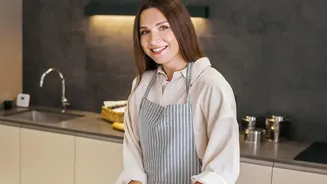
you can't be present with your guests. Planning backwards is a strategy for reclaiming your role as a host, not just a cook. It's a method that builds calmness and control into your schedule, allowing you to manage the kitchen efficiently so you can step out of it and actually enjoy the company you’ve invited. The true measure of success is a host who is smiling and relaxed when the doorbell rings.
Establish Your Anchor: The Serving Time
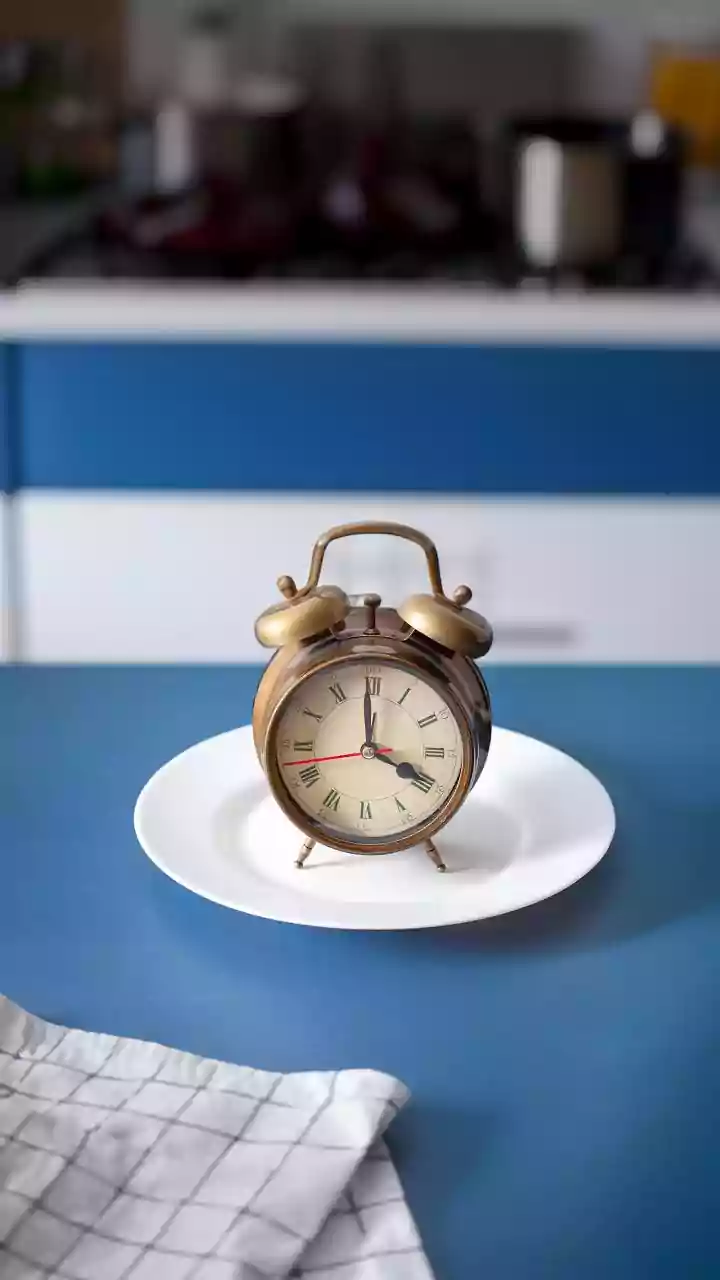
The most critical piece of information for your plan is the time you want everyone to sit down and eat. This is your anchor point. Let's say you're aiming to serve the main course at 7:30 PM. Every single calculation you make will work backward from this non-negotiable moment. Write it down at the top of a piece of paper or a digital note. This simple act solidifies the end goal and provides the fixed point from which all other timings will be derived. It removes ambiguity and forces a clear-eyed assessment of what needs to happen, and when.
Step One: Identify What Can Be Done Ahead
The biggest gift you can give your future self is to do as much as possible before the day of the party. Working backwards from 7:30 PM, the first things to schedule are the tasks you can complete a day or even two days before. This includes desserts like cheesecakes or tiramisu, which often improve with an overnight chill. Braised meats can be cooked a day ahead, their flavour deepening in the fridge. Salad dressings, sauces, and chopped hardy vegetables (like onions, carrots, and celery) can all be prepared in advance. Each item you tick off this list is time and mental space freed up for the final, crucial hours.
Step Two: Create Your Cooking Timeline
Now, focus on the day of the party. Look at the items that need active cooking and calculate their timings backwards from your 7:30 PM anchor. If a roast chicken needs 90 minutes to cook and 20 minutes to rest, you know it must come out of the oven at 7:10 PM. That means it must go into the oven at 5:40 PM. If roasted potatoes need an hour at a different temperature, you'll need to figure out if they can cook alongside the chicken or if you need to adjust. This is where you might discover potential conflicts, like needing the oven for three different things at once. Writing it all down reveals these issues when you still have time to solve them, perhaps by choosing a side dish that can be made on the stovetop instead.
Step Three: Master the 'Mise en Place'
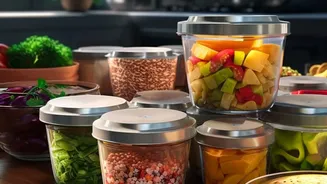
Professional kitchens run on a principle called mise en place, a French term meaning 'everything in its place'. This is your secret weapon for the final hours of cooking. It means that before you begin the active cooking process, all your ingredients are prepped: vegetables are chopped, spices are measured, and sauces are ready in small bowls. By planning backwards, you can schedule time for this critical step. For instance, your timeline might say, "4:30 PM - 5:30 PM: Complete all mise en place." This hour of focused prep ensures that when it's time to cook, you're not frantically searching for an ingredient or trying to chop an onion while something else is burning. You can simply follow your own instructions, assembling the dish with calm focus.
The Final Hour: Assembly and Reheating
The last hour before serving is no longer a panic zone; it’s for final execution. Your backwards plan has accounted for everything. This time is for reheating the soup you made yesterday, tossing the salad with the dressing you pre-mixed, and warming the bread. The main dish is resting, its juices redistributing for maximum flavour. You are plating, garnishing, and moving with purpose, not panic. Because you worked backwards, you can now move forward with confidence, bringing everything together for that perfect 7:30 PM serving time, all while having a moment to take a deep breath and maybe even enjoy a glass of wine with your earliest-arriving guest.