




Why Go Low-Impact?
Low-impact cardio is defined by exercises where at least one of your feet remains on the ground, eliminating the jarring force of activities like running and jumping. This approach significantly reduces stress on your joints, including your knees, hips,
and ankles, making it an ideal choice for people with existing joint pain, those recovering from injury, or anyone looking for a more sustainable way to stay fit. But 'low-impact' doesn't mean 'low-intensity'. These workouts can effectively raise your heart rate, strengthen your cardiovascular system, burn calories, and build endurance, all while being kinder to your body. The goal is to get all the heart-healthy benefits without the painful pounding.
Swimming: The Ultimate Joint-Friendly Workout
When it comes to low-impact exercise, swimming is in a class of its own. The buoyancy of water supports your body weight, which takes nearly all the pressure off your joints, making it an excellent choice for individuals with arthritis or mobility issues. Swimming provides a full-body workout, engaging your arms, legs, and core while the water itself offers natural resistance. This combination elevates your heart rate, improves circulation, and strengthens your heart muscle. Studies have shown that regular swimmers have a significantly lower risk of death from heart disease and stroke. If you're new to the pool, consider starting with a class to build confidence and good habits.
Cycling: Indoors or Out
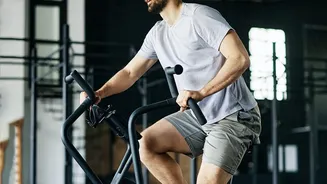
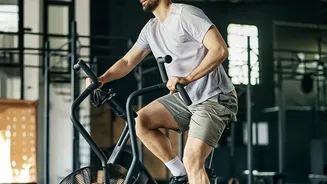
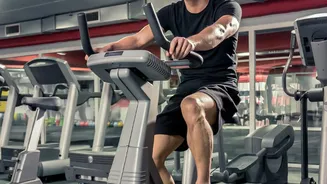
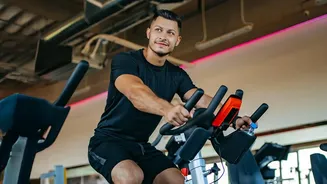
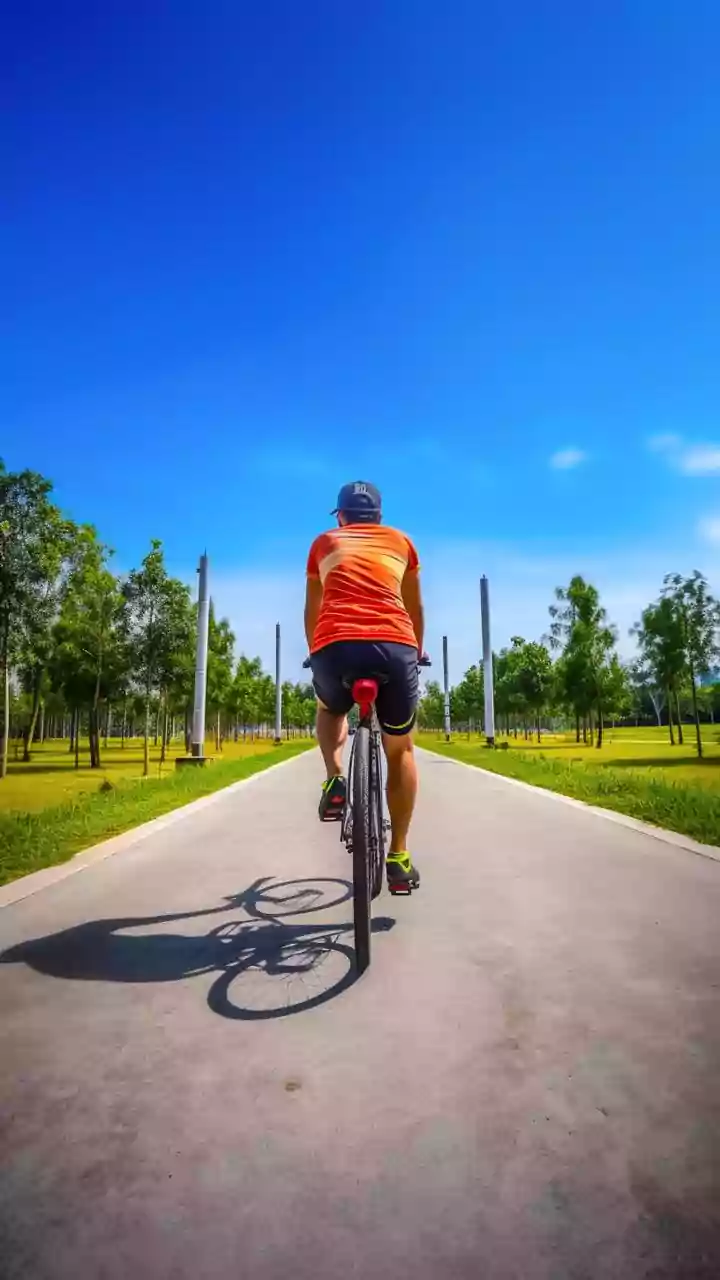
Whether on a stationary bike at the gym or exploring trails outdoors, cycling is a fantastic low-impact cardio option. The smooth, circular motion of pedaling is gentle on the knees and ankles, unlike the repetitive impact of running. Cycling effectively strengthens the muscles in your lower body, including your quads and glutes, which helps provide better support for your knee joints. You can easily adjust the intensity by changing your speed or the bike's resistance, allowing for everything from a steady ride to a high-intensity interval session. This versatility makes it a powerful tool for improving cardiovascular health and building leg strength without aggravating your joints.
Elliptical Training: A Smooth Glide to Fitness
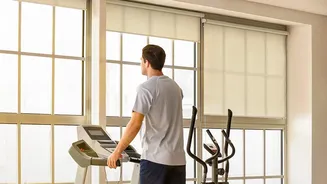
The elliptical machine was specifically designed to mimic the motion of running without the associated impact. Your feet remain on the pedals, creating a smooth, gliding movement that protects your knees, hips, and ankles from strain. Many elliptical trainers have moving handlebars, allowing you to engage your upper body for a full-body workout that strengthens your arms, shoulders, and core. It's an excellent tool for boosting cardiovascular stamina, burning a significant number of calories, and improving muscle tone, all in one efficient, joint-friendly session.
Rowing: A Full-Body Powerhouse
Don't overlook the rowing machine. This non-weight-bearing exercise provides a powerful, low-impact workout that engages about 85% of your body's muscles, including your legs, core, and upper body. Because you are seated, rowing eliminates the impact on your joints while still delivering a serious challenge for both your cardiovascular system and your muscles. The fluid, controlled motion improves heart health, increases lung capacity, and enhances posture. It's a highly efficient way to build strength and endurance simultaneously.
Brisk Walking: Simple and Effective
Never underestimate the power of a brisk walk. It's one of the most accessible and effective forms of low-impact cardio. Walking strengthens your heart, helps manage blood pressure, and lowers the risk of heart disease. A brisk pace is one where your heart rate rises and you're breathing faster, but you can still hold a conversation. To boost intensity without impact, you can try walking on an incline or adding intervals of faster walking. Studies show that walking for 30 minutes five days a week can lead to a significant reduction in the risk of coronary heart disease.
Water Aerobics: Fun and Functional
For those who enjoy a group setting, water aerobics is a fantastic option. It combines cardiovascular exercise with resistance training in a supportive, buoyant environment that is easy on the joints. The water's natural resistance helps build muscle strength and improve bone density, while also improving circulation and lowering blood pressure. This form of exercise can improve your balance, coordination, and endurance, making it a functional and fun way to stay active.