




So, What Exactly Are Ceramides?
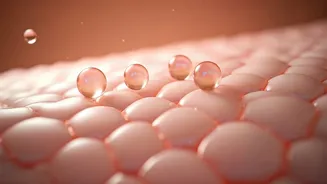
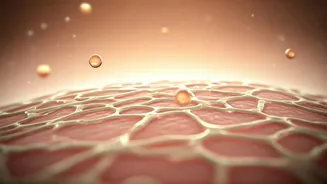
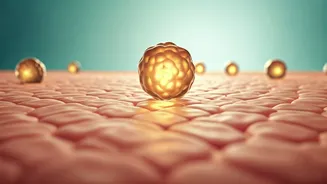
Think of your skin’s outermost layer, the skin barrier, as a brick wall. The skin cells are the 'bricks,' and the lipids (fats) surrounding them are the 'mortar' that holds everything together. Ceramides are a major component of this mortar, making up
about 50% of it. They are waxy lipid molecules that are absolutely essential for forming a protective layer that keeps moisture in and pollutants and irritants out. Without enough ceramides, this wall becomes weak and full of gaps, leading to a compromised skin barrier.
The Hero of Your Skin Barrier
A healthy skin barrier is the secret to happy, resilient skin. When it's functioning correctly, it prevents transepidermal water loss (TEWL), which is a fancy term for moisture evaporating from your skin. This is why skin with a strong barrier feels hydrated, plump, and smooth. On the other hand, a damaged barrier can’t hold onto moisture effectively, resulting in dryness, flakiness, and a dull appearance. It also becomes more vulnerable to external aggressors like pollution, allergens, and bacteria, which can trigger redness, sensitivity, and inflammation.
Why Is My Skin Lacking Ceramides?
If ceramides are naturally present in our skin, why do we need to add more? Unfortunately, our natural ceramide levels can deplete for several reasons. Age is a primary factor; as we get older, our bodies produce fewer ceramides, which contributes to drier skin and the formation of fine lines. Environmental factors also play a huge role. Harsh weather, low humidity, and sun exposure can all strip ceramides from your skin. Finally, your own routine could be the culprit. Over-washing, using harsh soaps, or over-exfoliating with strong acids or scrubs can damage the skin barrier and wash away these crucial lipids.
The Benefits of Topping Up
Applying ceramides topically through skincare is a proven way to replenish your skin’s supply and repair its barrier. The benefits are almost immediate. By restoring the 'mortar' in your skin's wall, ceramide-infused products help to intensely hydrate and lock in moisture, alleviating dryness and tightness. They also help calm irritation and reduce redness by strengthening the skin’s defences against external triggers. In the long run, a well-maintained barrier means healthier, more resilient skin that looks and feels smoother. Some studies even suggest they have anti-ageing benefits by helping skin retain the moisture that keeps it looking plump and youthful.
How to Choose a Ceramide Product
You can find ceramides in a wide range of products, from cleansers and toners to serums and moisturisers. For maximum benefit, a leave-on product like a moisturiser or serum is your best bet. When scanning the ingredients list, look for the word 'ceramide' followed by letters (like NP, AP, EOP) or 'phytosphingosine' and 'sphingosine', which are ceramide precursors. The most effective formulas often combine ceramides with other skin-identical ingredients like cholesterol and fatty acids. This 'golden trio' mimics the skin's natural lipid composition, making them even more effective at barrier repair. Don’t worry about percentages; a well-formulated product will have the right balance.
Who Can Use Ceramides?
The beauty of ceramides is their universal appeal. Because they are a natural part of your skin, they are incredibly gentle and well-tolerated by virtually all skin types. People with dry, dehydrated, or mature skin will see the most dramatic improvement. If you have a condition associated with a compromised barrier, such as eczema or psoriasis, ceramides can be particularly soothing. Even oily and acne-prone skin types can benefit, as a damaged barrier can sometimes trigger an overproduction of oil to compensate for moisture loss. A lightweight, non-comedogenic ceramide lotion can help balance the skin without clogging pores.