



A Celebration of Good Over Evil
Held annually at the historic Hemis Monastery, Ladakh's largest monastic institution, the Hemis Festival is a two-day spectacle dedicated to Guru Padmasambhava (also known as Guru Rinpoche). He is revered as the second Buddha, credited with introducing
Tantric Buddhism to the Himalayan region in the 8th century. The festival commemorates his birth anniversary, celebrating his life and mission to vanquish the dark forces that stood in the way of enlightenment. For the local community and pilgrims who travel far and wide, it is a time of immense spiritual significance, a chance to seek blessings, and witness rituals that have been performed for centuries.
The Soul of the Festival: The Cham Dances
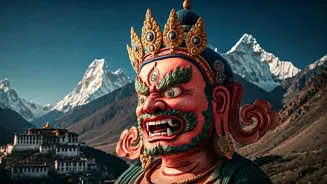
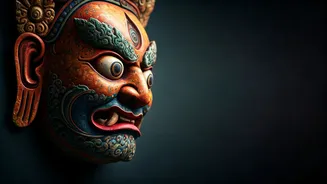
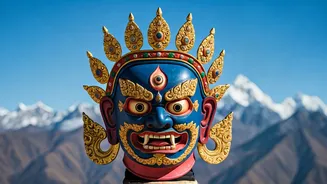
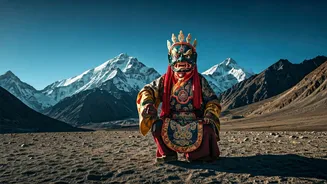
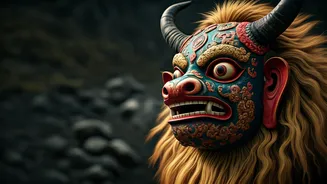
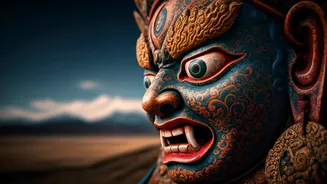
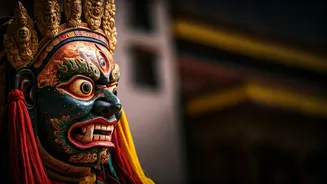
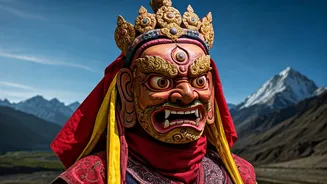
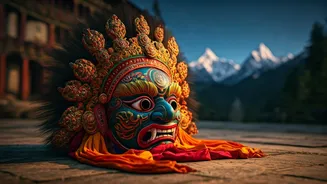
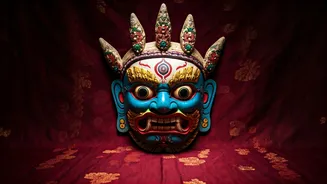
The main attraction, drawing visitors from across the globe, is the series of sacred masked dances known as 'Cham'. Performed by monks in the monastery's rectangular courtyard, these are not mere performances but deep meditative rituals. Each mask represents a different deity or demon, and the dance itself is a dynamic portrayal of the triumph of good over evil. The dancers, adorned in elaborate silk costumes and fearsome or serene masks, move to the rhythm of long horns, cymbals, and drums. The slow, deliberate movements and dramatic twirls tell stories from Buddhist mythology, depicting the destruction of malevolent spirits and clearing the path for compassion and wisdom. Watching the Cham is a hypnotic experience, a vibrant, moving tableau of faith and folklore.
More Than Just a Dance
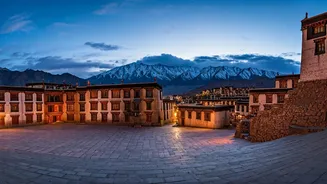
While the Cham dances are the centrepiece, the festival's atmosphere is rich with other cultural sights. The monastery itself, a stunning example of Tibetan architecture, becomes a bustling hub of activity. A lively fair springs up, with stalls selling local handicrafts, traditional jewellery, and delicious Ladakhi food. It’s a wonderful opportunity to interact with locals and buy authentic souvenirs. Every 12 years, the festival becomes even more significant with the ceremonial unfurling of a giant 'thangka' – a sacred silk painting of Guru Padmasambhava that is so large it covers several stories of the monastery's facade. This rare event draws massive crowds, as seeing it is believed to grant spiritual merit.
Planning Your Journey to the Roof of the World
Attending the Hemis Festival requires some planning. The festival dates change each year as they are based on the Tibetan lunar calendar, typically falling in June or July. The first step is to fly into Leh, the main town in Ladakh. From Leh, Hemis Monastery is about 45 kilometres away, a scenic drive that can be done by taxi. A crucial aspect to consider is acclimatisation. Leh is situated at an altitude of over 11,500 feet. It is essential to rest for at least 48 hours upon arrival to allow your body to adjust to the low oxygen levels. Drink plenty of water, avoid strenuous activity, and take it slow. Rushing can lead to acute mountain sickness (AMS), which can be dangerous. Booking accommodation and transport well in advance is also highly recommended, as the festival is a peak tourist event.
What to Expect as a Visitor
The monastery courtyard gets extremely crowded, so it’s wise to arrive early to find a good vantage point. Remember that this is a sacred religious event, not just a tourist show. Dress modestly, with shoulders and knees covered, as a sign of respect. Be mindful when taking photographs; avoid using flash and do not obstruct the view of others or interfere with the rituals. The sun at high altitude is incredibly strong, so carry sunscreen, a hat, and sunglasses. The weather can be unpredictable, so dressing in layers is the best strategy. Embrace the experience with an open mind and a respectful heart.