





The Allure of the Ache
It’s a common ritual for fitness enthusiasts and beginners alike: waking up the day after a tough workout and taking stock of the soreness. A twinge in the legs, a dull ache in the arms—it’s often interpreted as direct evidence of hard work and impending
muscle growth. This mindset is deeply ingrained in fitness culture. The logic seems simple: if you worked your muscles hard enough to make them hurt, they must be getting stronger. This feeling can be motivating, providing tangible feedback that you pushed your body. But relying on this sensation as your primary measure of success is a flawed approach. Soreness is not a guarantee of muscle growth, and its absence doesn't mean your workout was a waste of time.
What Is Muscle Soreness, Really?
That familiar post-workout pain is known as Delayed Onset Muscle Soreness, or DOMS. It typically sets in 24 to 72 hours after strenuous or unaccustomed exercise. For a long time, it was mistakenly blamed on lactic acid buildup. However, we now know that lactic acid clears from the muscles relatively quickly after exercise. The real cause of DOMS is microscopic damage, or micro-tears, to your muscle fibres caused by intense exercise, particularly eccentric movements (like the lowering phase of a squat or running downhill). In response to this damage, your body initiates an inflammatory repair process, which results in the characteristic pain and stiffness. This process is a normal part of how muscles adapt and grow stronger, but the level of pain you feel isn't directly proportional to the effectiveness of your workout.
Why Soreness Is a Poor Metric
Several factors besides muscle damage influence how sore you feel. Novelty is a big one; trying a new exercise or returning after a break often causes significant soreness as your body adapts. As you become more accustomed to a routine, you'll likely experience less DOMS, even if you're still making progress. Other factors like genetics, hydration, and sleep can also affect your susceptibility to soreness. Furthermore, chasing extreme soreness can be counterproductive. If you're constantly in pain, you may not be able to perform your next workout with proper form or intensity, which can hinder your long-term gains and even increase your risk of injury. Essentially, while soreness tells you that you've challenged your muscles, it's not a reliable or necessary indicator of muscle growth or fitness improvement.
Smarter Signs of a Great Workout
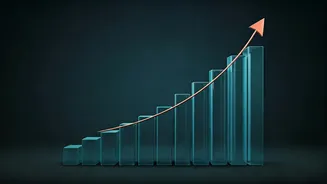
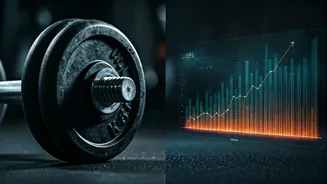
If you can't rely on soreness, how can you tell if your fitness plan is working? The key is to focus on measurable progress over time. The most important principle for building strength and muscle is progressive overload—gradually increasing the demands on your body. Are you able to lift slightly more weight, complete more repetitions, or reduce your rest times compared to last month? That's a clear sign of progress. Other positive indicators include improved exercise form, feeling more energetic throughout the day, better sleep, and consistency in your routine. Tracking these objective measures will give you a much more accurate picture of your fitness journey than simply waiting to see how much you ache the next day.
When Soreness Becomes a Red Flag
While typical DOMS is a dull, aching sensation that affects the muscles you worked and subsides within a few days, it's crucial to distinguish it from the pain of an injury. Injury pain is often sharp, sudden, and localized to a specific muscle or joint. It might persist for more than a few days, be present even when you're at rest, or be accompanied by significant swelling or bruising. If you experience sharp pain during a workout, or if your soreness is debilitating, lasts longer than a week, or is accompanied by dark-colored urine, it's important to stop and seek medical advice.