

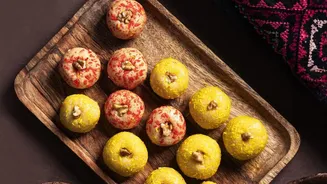

The festive season arrives with a familiar scent: a mix of ghee-roasted sweets, fragrant spices, and a hint of parental nostalgia. But for many, it also carries the pressure of recreating that magic in a world that moves much faster.
The Taste of Festivals Past
For generations of
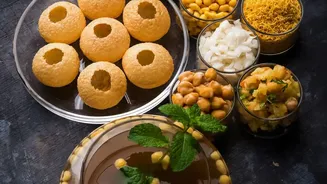
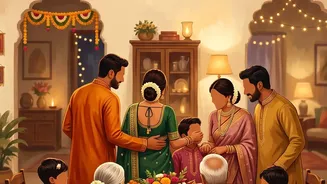
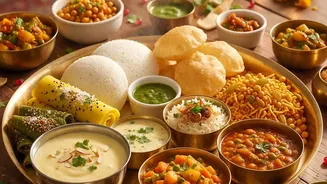
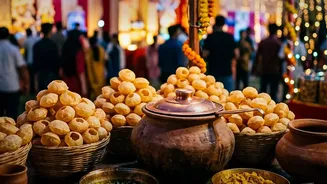
Indians, the soundtrack of any major festival was the rhythmic clang of utensils in the kitchen. Weeks before Diwali, Holi, or Eid, mothers and grandmothers would begin the elaborate process of creating delicacies from scratch. The air would be thick with the aroma of roasting besan for laddoos, bubbling sugar syrup for gulab jamun, and the savoury promise of chaklis and namak pare. These weren't just snacks; they were painstakingly crafted symbols of love, prosperity, and togetherness. Food was, and remains, the heartbeat of celebration in India. The process was a tradition in itself, a transfer of knowledge from one generation to the next, measured in handfuls of flour and 'andaaz'.
A Modern Reality Check
Today, that picture looks different for many. In urban households, demanding careers, nuclear family structures, and smaller living spaces have created a time and energy deficit. The multi-day, multi-dish cooking marathon of the past is a luxury few can afford. The result is a cultural crossroads: a deep-seated desire to uphold the culinary traditions we grew up with, clashing with the practical constraints of modern life. This has led to a quiet evolution in the festive kitchen, where the goal is no longer just about preserving old methods, but about preserving the spirit of the celebration itself without causing burnout.
Convenience in the Cooker
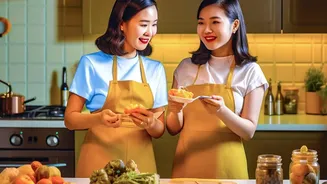
This gap between aspiration and reality has paved the way for a host of creative solutions. Food delivery platforms see a massive spike in orders for sweets and festive meals during celebratory periods. Ordering mithai from a trusted local shop, once a supplementary act, is now a common way for families to ensure the festive platter is full. Beyond just ordering in, a new ecosystem has emerged. There's a growing market for home chefs who offer authentic, small-batch festive food, allowing families to enjoy traditional dishes without the labour. Meal kits for complex sweets like gujiya or modak provide a middle path, handling the laborious prep while leaving the final, satisfying assembly to the home cook. Modern appliances like air fryers and food processors are also being used to create healthier or quicker versions of classic snacks.
Redefining 'Homemade'
Does outsourcing the ladoo or buying the biryani diminish the love? This question lies at the heart of the modern festive dilemma. However, the consensus seems to be shifting. The 'effort' in festive food is being redefined. Today, the effort might lie in curating a beautiful meal from multiple expert sources—the best jalebis from one shop, the perfect kachoris from a favourite home chef, and perhaps one or two signature dishes made at home. The focus is moving from 'who cooked' to the act of 'sharing the meal'. The modern festive mantra appears to be about finding a balance that makes celebrations joyful, not stressful. It’s about keeping the tradition but changing the ingredients or the method.
The New Festive Platter
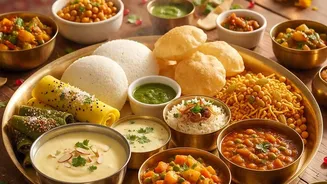
The contents of the platter are also evolving. Alongside traditional mithai, you're now likely to find artisanal chocolates, gourmet nuts, and healthier options like millet-based snacks or jaggery-sweetened desserts. This reflects a broader shift towards more health-conscious and personalised choices, even during times of indulgence. It's less about restriction and more about variety. The host is not just a cook but a curator, assembling an experience that caters to different tastes while still feeling abundant and special. This blend of old and new, homemade and thoughtfully sourced, is the new authentic. It acknowledges that traditions must adapt to stay alive.