


Bandhavgarh National Park: The Tiger Capital
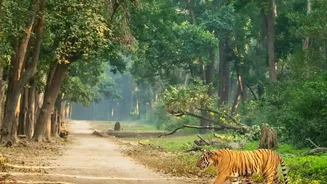
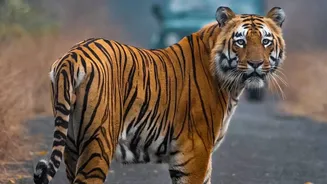
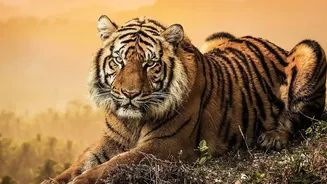
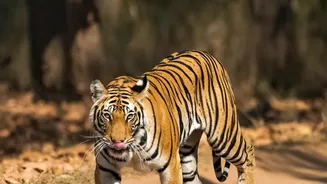
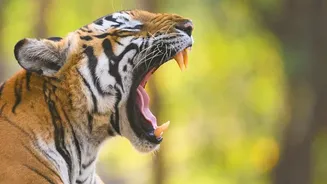
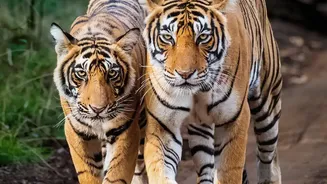
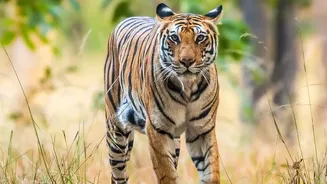
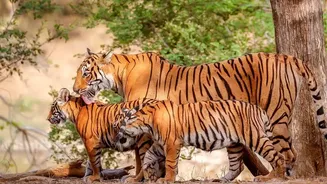
If seeing a Royal Bengal Tiger is your top priority, Bandhavgarh is the place to be. Boasting one of the highest tiger densities in India, your chances of a sighting here are exceptionally high. The park reopens for the season around mid-October, revealing
a lush, green landscape rejuvenated by the rains. Spread across the Vindhya Hills, its terrain of rocky slopes, sal forests, and grasslands is not only home to tigers but also leopards, sloth bears, and various deer species. The park is divided into core zones like Tala, Magadhi, and Khitauli. Tala is historically the most popular for sightings, with its mix of meadows and a 2,000-year-old fort adding to the mystique. Due to its popularity, it's crucial to book safari permits well in advance through the official Madhya Pradesh Forest Department portal, as they fill up almost instantly.
Kanha National Park: Kipling’s Muse
Famous as the inspiration for Rudyard Kipling's 'The Jungle Book', Kanha National Park is a land of sprawling meadows, dense sal forests, and meandering streams. It is one of the best-managed parks in Asia and offers a holistic wildlife experience. While tigers are a major draw, Kanha is also celebrated for its remarkable conservation success story: the revival of the hard-ground Barasingha (swamp deer), a subspecies that was brought back from the brink of extinction. From a mere 66 individuals in the 1960s, their population has grown significantly, making them the pride of Kanha. The park typically opens around mid-October. Its vast size means safaris here feel less crowded, allowing for peaceful immersion in one of India's most beautiful and diverse ecosystems.
Pench National Park: Home of Mowgli
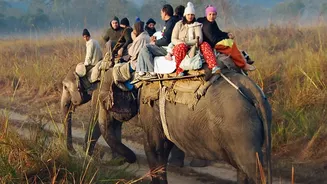
Another park linked to 'The Jungle Book', Pench National Park is named after the river that flows through it, creating a serene and picturesque landscape. The park, which straddles Madhya Pradesh and Maharashtra, is known for its rich biodiversity, including a healthy population of tigers, leopards, wild dogs, and a vibrant array of birdlife. The Turia gate is a popular entry point, known for good tiger sightings. Beyond the classic jeep safari, Pench offers unique experiences like cycling tours in the buffer zone, guided nature walks, and exploring a local potters' village. These activities provide a deeper connection to the forest and its communities. Like other parks, the core area of Pench reopens in October, and booking safaris online in advance is essential for a hassle-free trip.
Satpura National Park: An Adventurer’s Paradise
For those who seek more than a jeep safari, Satpura National Park is an unrivaled destination. It is one of the very few reserves in India where visitors can embark on walking safaris in the core tiger habitat, offering an intimate and thrilling connection with the wilderness. The rugged terrain of sandstone peaks, gorges, and dense forests is best explored on foot, but the park also offers boat and canoe safaris on the Denwa River. This diversity of activities makes Satpura a haven for adventure lovers. Wildlife here includes tigers, leopards, sloth bears, and the Indian giant squirrel. Opening in early October, Satpura provides a more off-the-beaten-path experience compared to its more famous counterparts, perfect for seasoned wildlife enthusiasts.
Planning Your Safari Adventure
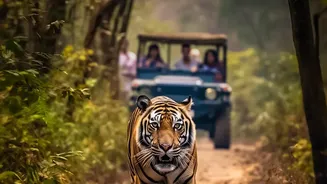
The core zones of most national parks in Madhya Pradesh remain closed during the monsoon from July to September, with the autumn season commencing from October 1st or mid-October for many. It's vital to book your safari permits online through the official MP Forest Department website (forest.mponline.gov.in) as soon as bookings open, which can be 120 days in advance. A single permit includes entry, a registered jeep, and a guide. Remember to carry the same photo ID used for the booking. The weather in autumn is pleasant, with lush scenery making it an ideal time for photography. With high demand for the prime zones, especially for weekend dates, planning several months ahead is not just a recommendation—it's a necessity for securing your spot in the heart of India's wilderness.