







A Volatile New Reality
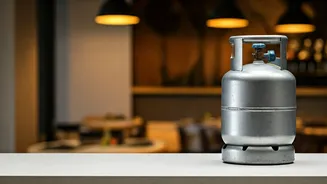
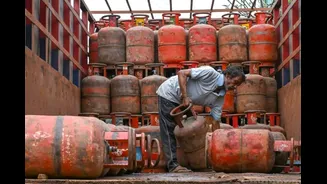
The first half of 2026 has been a turbulent period for India's restaurant industry, primarily due to unprecedented fluctuations in the price of commercial Liquefied Petroleum Gas (LPG). After a series of steep hikes that nearly doubled the price of a 19-kg
cylinder since late 2025, restaurateurs are now treating energy costs as a core strategic challenge, not just an operational expense. In May 2026, prices surged by nearly ₹1,000 in a single revision, pushing the cost in Delhi to over ₹3,100. This was driven by geopolitical tensions in West Asia disrupting supply chains. While a price cut of around ₹183 on July 1, 2026, offered some relief, the industry remains on edge. This unpredictability has forced energy costs to the forefront of every business conversation.
From Kitchen Cost to Business Blueprint
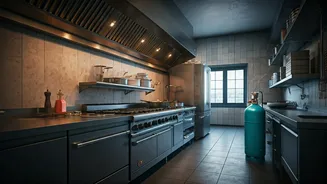
The dramatic price swings mean that LPG is no longer a simple line item in a monthly budget; it's now a critical factor in the initial planning and design of new restaurants. Aspiring and existing owners must now ask fundamental questions before signing a lease or designing a kitchen. Can the location be serviced by Piped Natural Gas (PNG)? Is the electrical infrastructure robust enough to support induction cooking? These considerations, once secondary, are now paramount. Energy costs, which typically constitute 2-5% of a restaurant's revenue, can have an outsized impact on profitability in an industry running on thin margins. The volatility has made long-term financial planning incredibly difficult, especially for small and medium-sized enterprises.
The Pivot to Alternatives
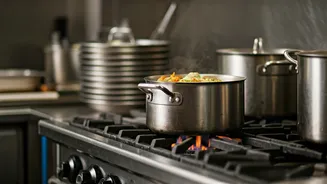
The crisis has accelerated a shift towards a multi-energy strategy in commercial kitchens. Restaurateurs are actively exploring and investing in alternatives to reduce their dependence on LPG cylinders. Piped Natural Gas (PNG) is the most sought-after alternative, offering potential savings and supply security, but its availability is limited by existing pipeline infrastructure. In response, many are retrofitting their kitchens with electric induction cooktops, which are more energy-efficient for tasks like boiling and making sauces. Some state governments, like Tamil Nadu, have even introduced subsidies to encourage this transition. Other options being considered range from modern biomass systems and diesel burners to simpler tools like electric pressure cookers and air fryers for specific tasks.
Rethinking the Menu Itself
The impact of high energy costs extends directly to the diner's plate. Beyond potential price hikes of 10-15%, operators are engaging in 'energy-aware menu engineering'. This involves identifying and sometimes eliminating gas-intensive dishes like slow-cooked gravies or certain deep-fried items. Instead, chefs are designing menus that favour quicker cooking methods or can be prepared in batches using energy-efficient equipment. Some establishments even introduced temporary 'LPG surcharges' to cope with the sudden cost spikes, a clear signal to customers about the severity of the issue. For price-sensitive formats like vada pav or samosa stalls, the inability to pass on costs without losing business presents an existential threat.
An Industry Adapting Under Pressure
The National Restaurant Association of India (NRAI) and other industry bodies have been vocal about the challenges, highlighting that supply disruptions could lead to massive daily losses for the sector. While the government's restoration of commercial LPG supplies to pre-crisis levels in late June 2026 brought some operational certainty, the core issue of price volatility remains. The crisis is forcing a fundamental change in mindset. Restaurant owners are now thinking like energy portfolio managers, diversifying their sources to hedge against price shocks and supply disruptions. The kitchens that emerge from this period of turmoil will likely be more efficient, resilient, and strategically agile.