



Decoding the True Cost
The core of the comparison lies in the 'edible portion' cost. A whole butternut squash might seem cheaper than a packet of pre-cubed squash, but how much of that whole squash is skin and seeds you'll discard? The 'as purchased' (AP) price is what you pay
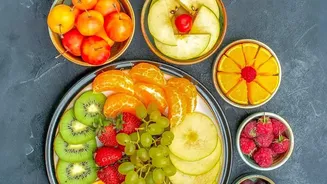
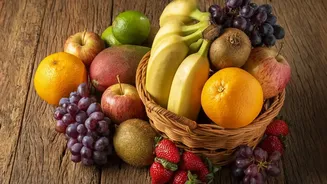
at the register, but the 'edible portion' (EP) cost is the price of what you actually eat. For produce with significant waste, like pineapples, pomegranates, or artichokes, the price per edible gram of the prepared version can sometimes be surprisingly competitive. To figure it out, you need to consider the yield. If a Rs. 100 pineapple gives you 500 grams of usable fruit after you discard the core, skin, and crown, your edible cost is Rs. 0.2 per gram. If a Rs. 150 container offers 600 grams of ready-to-eat fruit, its edible cost is Rs. 0.25 per gram. The whole fruit is cheaper, but not by as much as the sticker price suggests. For items with little waste, like carrots or zucchini, buying whole is almost always the more economical choice.
The Undeniable Value of Convenience
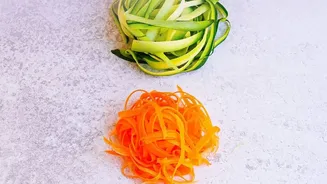
Time is money, and the biggest selling point for prepared produce is the time it saves. For busy professionals, parents juggling schedules, or individuals with mobility challenges that make chopping difficult, the premium paid for pre-cut vegetables is a worthwhile expense. It can be the difference between making a healthy home-cooked meal and opting for takeout. This convenience can encourage healthier eating habits by lowering the barrier to entry. If having a container of ready-to-roast cauliflower florets means you'll actually eat them instead of letting a whole head wither in the crisper, then the extra cost has delivered significant value. It's less about laziness and more about a strategic trade-off, paying for a service—the prep work—that you may not have the time, energy, or ability to do yourself.
Does Slicing Spoil the Goods?
Nutritionally, whole produce has a slight edge. Once a fruit or vegetable is cut, its cells are ruptured, exposing the contents to oxygen and light. This process, called oxidation, begins to degrade certain delicate nutrients, particularly Vitamin C and some B vitamins. While packaged produce is often handled quickly to minimize this, the longer it sits on the shelf, the greater the potential nutrient loss. According to the Cleveland Clinic, pre-cut vegetables are just as healthy as long as they are fresh, but signs of drying, like a whitish outer layer on carrots, indicate moisture and nutrient loss has begun. For most vitamins and minerals, the difference is not dramatic enough to forgo the benefits of prepared produce entirely. However, if you are aiming for maximum nutritional intake, buying whole and cutting it just before you eat is the best strategy.
A Tale of Two Wastes
Food waste is a major concern, estimated at 30-40% of the food supply in the United States. Both whole and prepared produce contribute to waste, just in different ways. With whole produce, waste comes from trimming peels, cores, and stems. Some of this, like carrot tops or broccoli stems, can be repurposed in stocks or pestos, a trend known as root-to-stem cooking. The primary waste risk with prepared produce is spoilage. It has a much shorter shelf life than its whole counterpart. That bag of mixed salad greens will wilt far faster than a whole head of lettuce. Furthermore, prepared produce almost always comes in plastic packaging, contributing to another kind of environmental waste that shoppers are increasingly conscious of.
Food Safety Considerations
Prepared produce carries a higher microbial risk profile than whole produce. The increased handling and the cutting process create more surface area where bacteria like Salmonella or Listeria can grow if contamination occurs. Reputable producers follow strict hygiene protocols, but outbreaks linked to pre-packaged salads and fruits have occurred. When buying pre-cut items, it's crucial to ensure they are properly refrigerated at the store, check the 'use-by' date, and avoid any packages that look damaged or have excess moisture. With whole produce, the risk is lower, as the skin provides a natural barrier. You can control the hygiene by washing the produce thoroughly and using clean cutting boards and knives at home.