


Why Your Body Loves Fibre
Dietary fibre is a type of carbohydrate that our body cannot easily digest. Instead of being broken down, it passes through our system, acting as a vital 'housekeeper'. There are two main types, soluble and insoluble, and both are essential. Soluble fibre,
found in oats, beans, and apples, dissolves in water to form a gel-like substance that can help lower cholesterol and stabilise blood sugar. Insoluble fibre, present in whole grains and vegetables, adds bulk to stool, promoting regular bowel movements and preventing constipation. A diet rich in fibre keeps you feeling full for longer, aids in maintaining a healthy weight, promotes a healthy gut microbiome, and is linked to a reduced risk of several chronic diseases.
The Power of Dals and Legumes
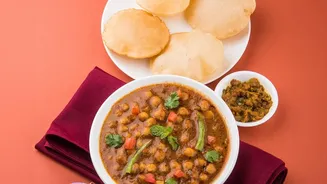
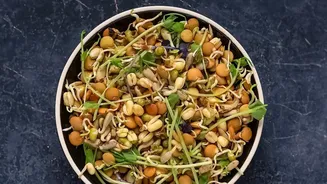
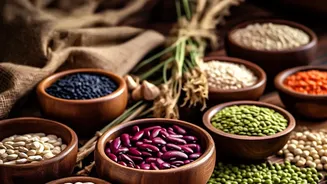
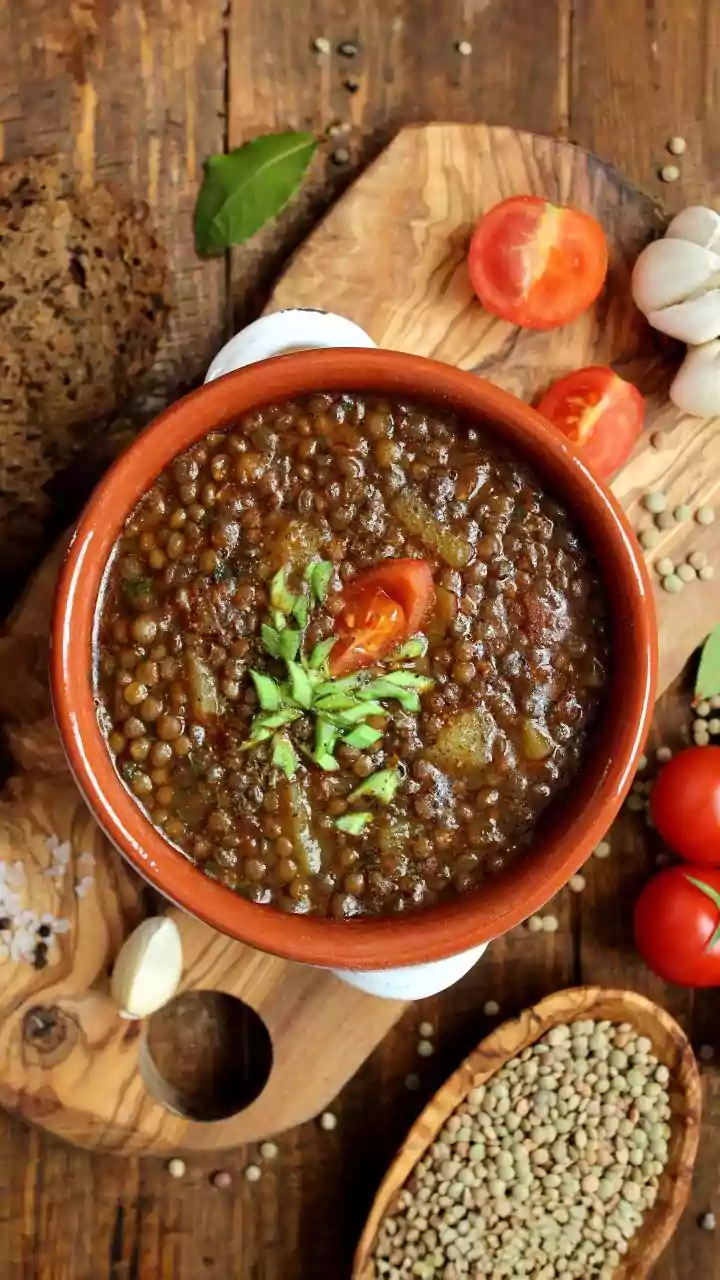
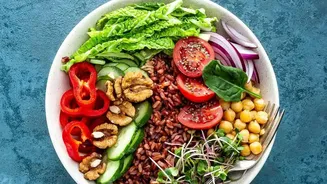
The humble dal, a staple in nearly every Indian home, is a fibre powerhouse. Lentils like moong, masoor, and toor dal are packed with both protein and soluble fibre. Legumes such as chickpeas (chana), kidney beans (rajma), and black-eyed peas are similarly impressive. Including a katori of dal with lunch and dinner is one of the easiest and most traditional ways to boost your daily fibre intake. Sprouting legumes can also enhance their nutritional profile and make them easier to digest. From a simple dal tadka to a hearty rajma masala, these ingredients are versatile, affordable, and incredibly beneficial.
Rethink Your Grains
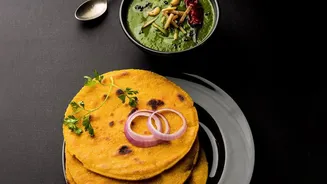
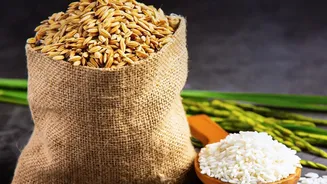
Many Indian meals are built around grains, making them a crucial area for a fibre upgrade. Simply swapping refined flour (maida) for whole wheat flour (atta) for your rotis and parathas makes a significant difference. Beyond wheat, India's diverse array of millets like ragi (finger millet), jowar (sorghum), and bajra (pearl millet) offer an excellent, gluten-free source of insoluble fibre. Instead of polished white rice, consider incorporating brown rice or enjoying millet-based dishes like jowar bhakri or ragi mudde. These whole grains not only add fibre but also bring a wealth of other minerals and a richer, earthier flavour to your meals.
Don't Forget Your Vegetables and Fruits
The sabzi that accompanies your rotis and dal is another key player. Many common Indian vegetables are fantastic sources of fibre. Leafy greens like spinach (palak) and fenugreek (methi), as well as vegetables like okra (bhindi), beans, carrots, and peas, are all excellent choices. When it comes to fruits, those with edible skins are often best. An apple or a pear with its skin on contains significantly more fibre than its peeled counterpart. Guava, a fruit found across India, is one of the richest sources of dietary fibre available. Choosing a whole fruit over a glass of juice ensures you get all the fibrous benefits.
Simple Swaps for a High-Fibre Diet
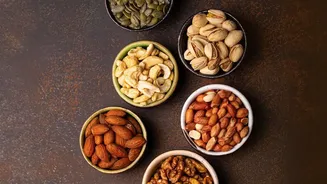
Increasing your fibre intake doesn't require a radical diet overhaul. It is about making small, consistent changes. Start by ensuring at least one meal a day prominently features legumes or pulses. Use whole grain or millet flours for your flatbreads. Add an extra serving of vegetables to your curries and khichdi. Snack on a handful of nuts like almonds or roasted chana instead of processed snacks. Sprinkle seeds like flax or chia onto your oatmeal or yoghurt. These minor adjustments, built into the rhythm of your daily cooking, can collectively lead to a major improvement in your overall health and well-being.