


The Body in a Void
Long-duration spaceflight takes a significant toll on the human body. Without Earth's gravity, astronauts experience muscle atrophy and a loss of bone density. Increased radiation exposure adds another layer of risk, potentially impacting everything from
the gut to the central nervous system. Inadequate nutrition can worsen these issues, leading to weight loss, a weakened immune system, and reduced physical performance. For years, space agencies have known that simply consuming enough calories is a major challenge, with many astronauts returning to Earth having lost body mass. This makes a robust and appealing food system critical for mission success.
More Than Just Fuel
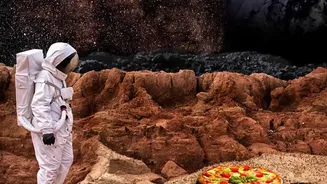
Food is deeply connected to psychological wellbeing, a fact that becomes even more important in the isolated and confined environment of a spacecraft. After months of eating pre-packaged meals, astronauts often report “menu fatigue,” a form of boredom that can lead to them eating less. The lack of variety, textures, and fresh options is a common complaint. Furthermore, the simple act of preparing and sharing a meal is a source of comfort and social bonding that is difficult to replicate with vacuum-sealed pouches. Scientists and astronauts alike recognize the morale-boosting power of food, making its psychological role as important as its nutritional one.
The Cosmic Greenhouse
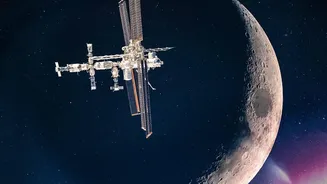
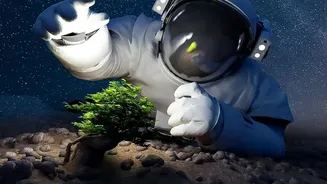
The most promising solution to the space nutrition puzzle is growing food in transit. The ability to cultivate fresh produce is a game-changer for long missions. On the International Space Station (ISS), experiments like the Vegetable Production System, or 'Veggie,' have successfully grown crops like lettuce, kale, and radishes. These small gardens provide astronauts with a vital source of vitamins and nutrients that degrade over time in pre-packaged meals. Beyond the nutritional benefits, the act of gardening itself has proven to be a powerful psychological boon, providing a connection to Earth and a therapeutic activity for crews on long journeys.
Innovations on the Menu
Alongside space farming, researchers are exploring a range of technologies to improve food stability, variety, and nutritional content. This includes advancements in freeze-drying and food preservation to extend the shelf life of meals without sacrificing quality. Scientists are also developing methods to bio-fortify crops, engineering them to produce higher levels of essential vitamins and minerals like calcium to counteract bone loss. Looking further ahead, technologies like 3D bioprinting, which successfully produced cultivated meat on the ISS, could one day provide on-demand food with tailored nutritional profiles for each astronaut.
Benefits Back on Earth
The quest to perfect space nutrition has profound implications for our home planet. Research into creating closed-loop, sustainable life support systems, where water is recycled and waste is repurposed, can inform resource management in harsh environments on Earth. The technology used to grow nutrient-dense crops with limited resources could help address food security challenges in arid regions or urban food deserts. By solving the problem of how to eat in the most extreme environment imaginable, we are also discovering new ways to feed ourselves more sustainably and efficiently right here.