






The Wisdom of Winter Eating
In India, the winter diet is a tradition built on nutritional science and seasonal logic. As the weather cools, the body's metabolism can slow down, and our appetite for heartier, warmer foods increases. Traditional food wisdom, often aligned with Ayurvedic
principles, suggests consuming foods that are warming and energy-dense to help maintain body temperature and support immunity. This is why certain grains, vegetables, and sweets make their much-awaited appearance. These dishes are designed to provide sustained energy, improve circulation, and offer the specific nutrients needed to thrive during the colder, drier months.
Bajra: The Warming Winter Grain
Pearl millet, or bajra, is a cornerstone of the winter diet in many parts of India, especially in Rajasthan, Gujarat, and Haryana. Considered a 'warming' food in Ayurveda, bajra has a high thermogenic effect, meaning it helps generate heat in the body after consumption. This gluten-free grain is a nutritional powerhouse, rich in fibre, magnesium, iron, and protein. Its complex carbohydrates provide a slow and steady release of energy, which helps combat winter lethargy. The high fibre content aids digestion—a common concern when diets become heavier—and helps in managing cholesterol levels. Typically prepared as a thick flatbread called bajra roti and served with a dollop of ghee, it becomes a deeply nourishing and satisfying meal perfect for a cold day.
Sarson Saag: A Leafy Green Powerhouse
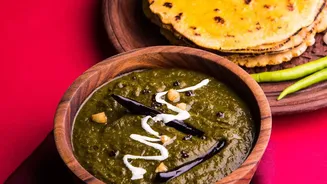
No North Indian winter is complete without Sarson da Saag. This iconic Punjabi dish is made primarily from mustard greens (sarson), which are harvested during the winter months. The greens are naturally bitter and tough, requiring hours of slow cooking—often with other greens like spinach or bathua—to become tender and creamy. Mustard leaves are packed with vitamins A, C, and K, as well as iron and folate. These nutrients are crucial for boosting immunity during the cold and flu season, supporting bone health, and fighting fatigue. The dish is traditionally finished with ghee, which not only enhances the flavour but also helps the body absorb the fat-soluble vitamins present in the greens. Paired with Makki ki Roti (cornmeal flatbread), it creates a nutritionally balanced and culturally significant winter meal.
Gajar Halwa: The Sweet Carrot Embrace
The arrival of winter in India also signals the season for Gajar ka Halwa, a beloved carrot-based dessert. This sweet pudding is traditionally made with the special red or pink carrots, known as 'Delhi carrots', which are at their sweetest and juiciest during the winter. The process involves slow-cooking grated carrots in milk until all the liquid is absorbed, then frying it in ghee and sweetening it with sugar. While it is a dessert, Gajar ka Halwa offers nutritional benefits. Carrots are an excellent source of beta-carotene, which the body converts to Vitamin A, essential for vision and skin health. The milk and ghee provide warmth, fat, and calories needed for energy in the cold. Served warm and garnished with nuts, it’s a comforting indulgence that represents the richness and warmth of the festive season.