






What Did The Research Find?
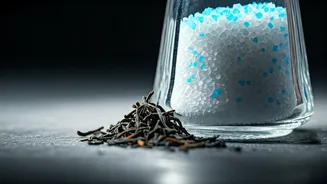
A recent study by the environmental research organization Toxics Link has revealed the widespread presence of microplastics in salt available in India. The research team tested ten different types of salt, including common table salt, rock salt, sea salt, and
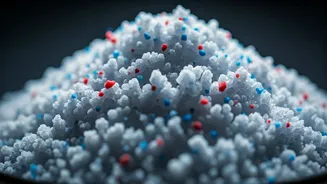
locally sourced raw salt. The alarming conclusion was that every single sample, regardless of brand or type, contained these tiny plastic particles. The concentration of microplastics varied, with iodised salt showing the highest levels at around 89 particles per kilogram, while organic rock salt had the lowest at about 7 particles per kilogram. These particles were found in various shapes, including fibres, films, and fragments.
What Are Microplastics and Where Do They Come From?
Microplastics are tiny plastic fragments smaller than five millimeters. They are not a single type of material but a mix of different polymers like polyethylene (PE), polypropylene (PP), and polyethylene terephthalate (PET). These particles originate from the breakdown of larger plastic items, such as bottles, bags, and industrial waste, due to sun, wind, and water exposure. They have become pervasive in our environment, polluting oceans, rivers, soil, and even the air. When it comes to salt, the primary source of contamination is the environment from which the salt is harvested. Sea salt is particularly susceptible as our oceans are heavily polluted with plastic waste. Even rock salt, which is mined, can be contaminated through processing and exposure to polluted water sources or airborne particles.
Should We Be Worried About Health Risks?
The full extent of the health effects of ingesting microplastics is still an area of active scientific research, and there are many unknowns. However, initial studies and experts have raised several concerns. When consumed, these particles can cause inflammation and oxidative stress in the body. There is also concern that microplastics can act like tiny sponges, absorbing and transporting toxic chemicals and heavy metals, which can then be released into our system. Some studies suggest long-term exposure could potentially be linked to a range of health issues, including gastrointestinal problems, weakened immune responses, and interference with hormone regulation. These particles have been detected in various human organs and even in blood, indicating they can travel within the body.
What Is Being Done and What Can You Do?
In response to these findings, the Food Safety and Standards Authority of India (FSSAI) has launched a project to tackle the issue. This initiative aims to develop standardized methods for detecting microplastics in food, assess the extent of contamination in the Indian food supply, and establish safety standards. For consumers, completely avoiding microplastics is currently impossible, as they are present in many foods, bottled water, and even the air we breathe. Studies show that while all salt types can be affected, levels might be lower in some, such as rock salt, compared to sea salt. However, the difference may not be significant enough to guide consumer choice alone. The broader solution lies in tackling plastic pollution at its source—reducing plastic production and improving waste management to prevent these particles from entering our environment and food chain in the first place.