
What Exactly Are BS-VII Norms?
Bharat Stage Emission Standards are government-instituted regulations that set limits on the amount of air pollutants a vehicle's engine can release. Think of them as a progressively tightening filter on vehicle exhaust. After successfully moving from
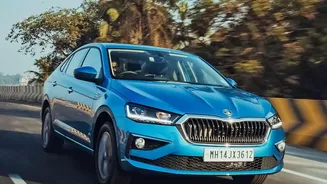
BS-IV to BS-VI in 2020, India is now looking ahead to the next chapter: BS-VII. A recent draft notification from the Ministry of Road Transport and Highways (MoRTH) has laid out a phased roadmap, beginning with M1 category passenger vehicles (cars and SUVs) from April 1, 2029. This proposal is currently open for public feedback before the rules are finalised. Unlike previous updates that focused almost exclusively on what comes out of the tailpipe, BS-VII adopts a much broader definition of vehicular pollution.
Beyond the Tailpipe: What's New?
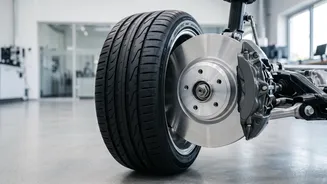
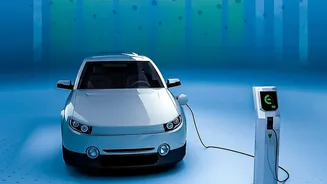
The big story with BS-VII is its holistic approach. While the core limits for pollutants like Nitrogen Oxides (NOx) and Carbon Monoxide (CO) for petrol and diesel cars remain similar to BS-VI levels, the new framework introduces several significant changes. For the first time, it will regulate non-exhaust emissions, which are particles generated from brake wear and tyre abrasion. This is crucial because even electric vehicles, which have zero tailpipe emissions, produce these particulate pollutants. The proposal sets limits for brake particles starting from April 2031. Furthermore, the norms will mandate stricter Real Driving Emissions (RDE) testing, using portable equipment to measure a car's emissions on actual roads, not just in a lab, ensuring compliance under real-world conditions.
Smarter Cars and Lasting Batteries
Under the proposed BS-VII regime, cars will need to be equipped with sophisticated On-Board Monitoring (OBM) systems. These systems will continuously measure and record actual NOx and particulate emissions, and must be able to flag when emissions exceed the limits by 2.5 times. The data on real-world fuel consumption must be accessible from April 2030. For electric and hybrid vehicles, the rules introduce minimum performance requirements for battery durability. For instance, a vehicle's battery must retain at least 75% of its original capacity after five years or 100,000 kilometres. Buyers will also receive an 'Environmental Vehicle Passport', a document providing clear data on the vehicle's emissions, fuel economy, and battery health.
The Automakers' Uphill Drive
The proposed April 2029 timeline has caught many in the auto industry by surprise. The Society of Indian Automobile Manufacturers (SIAM) has raised concerns, with some members suggesting a later, two-phase rollout starting in 2032. Automakers argue that the timeline is ambitious and could disrupt product launch plans for the late 2020s. They highlight the significant investment and engineering resources required to upgrade not just engines, but to integrate new monitoring systems and comply with brake and tyre regulations. A major concern is that this could divert resources away from the development of electric vehicles, as companies will need to focus heavily on making their vast portfolios of internal combustion engine models compliant with the new rules.
What This Means for the Car Buyer
For the consumer, the transition to BS-VII will be a mixed bag. The most significant benefit will be the positive impact on public health due to cleaner air. The regulations targeting non-exhaust particles and ensuring real-world compliance are major steps in reducing urban pollution. However, these technological upgrades come at a cost. The advanced sensors, on-board monitoring systems, and potentially modified engine components will likely lead to an increase in the price of new vehicles. The rules will not affect existing vehicles on the road, including those that are BS-VI compliant. Ultimately, the proposal seeks to balance environmental responsibility with industrial feasibility, pushing the market towards cleaner technology while giving consumers more transparent information about their vehicle's lifelong environmental impact.