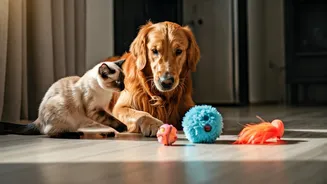









Why Activity Is More Than Just a Walk
For both cats and dogs, activity is about more than just physical exertion; it's also about mental stimulation. Boredom can lead to unwanted behaviours like destructive chewing or excessive barking. Engaging your pets in activities that challenge their
minds and bodies helps prevent this, keeping them happy, healthy, and well-behaved. The goal is to tap into their natural instincts for hunting, foraging, and problem-solving. A tired pet is a content pet, and a mentally stimulated one is even happier.
Engaging Your Dog Without Leaving Home
Dogs thrive on engagement, and there are numerous ways to tire them out indoors. Scent work is a powerful tool; hiding treats around a room and encouraging your dog to "find it" engages their powerful nose and provides significant mental exercise. You can create a simple scavenger hunt by scattering their meal's kibble around the living room or hiding it in puzzle toys. Simple games like tug-of-war, played safely with a designated toy, or a gentle game of fetch down a hallway can also burn off energy. For a more structured activity, create a DIY obstacle course using pillows to jump over, chairs to weave through, and blankets to create tunnels. Training sessions focusing on new tricks or reinforcing commands also serve as excellent mental workouts.
Creative Canine Brain Games
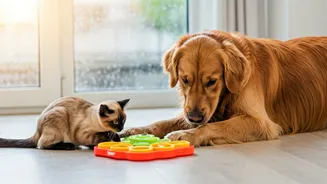
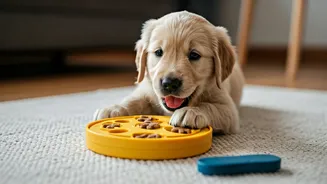
Puzzle toys are a fantastic way to keep your dog occupied. These can range from simple treat-dispensing balls to more complex puzzles that require your dog to slide or lift pieces to reveal a reward. You can easily make your own puzzles at home. Try placing treats in a muffin tin and covering each cup with a tennis ball, forcing your dog to figure out how to remove the balls to get the snack. Another option is to stuff a durable rubber toy with pet-safe foods like plain yogurt or pumpkin and freeze it for a long-lasting challenge. Lick mats serve a similar purpose, providing a calming and engaging activity.
Keeping Your Indoor Cat Active
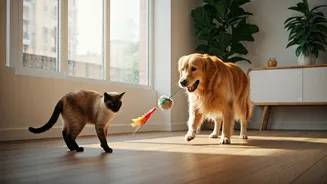
Cats are natural hunters, and the best indoor activities mimic the 'hunt, catch, kill' sequence. Use wand toys with feathers or strings to encourage them to chase, leap, and pounce. Be sure to let them 'catch' the toy at the end to provide a sense of satisfaction. Laser pointers can also be effective, but it is crucial to end the game by landing the dot on a physical toy they can capture. You can also make feeding time more active by using puzzle feeders or hiding small portions of their food around the house for them to find.
Enriching Your Cat's Environment
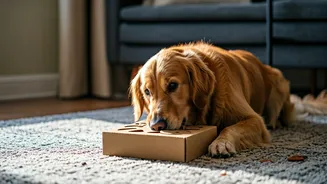
Environmental enrichment is key for indoor cats. Providing vertical space is essential; cat trees, towers, or even a series of sturdy wall shelves allow them to climb, explore, and view their territory from above. Something as simple as an empty cardboard box can provide hours of entertainment. Rotating their toys can keep things interesting, preventing them from getting bored with the same old objects. Motion-activated toys that move when your cat approaches can also encourage solo play. For a low-impact activity, consider training your cat to walk on a harness and leash, allowing for safe, supervised outdoor exploration.