







Packing for the Extremes
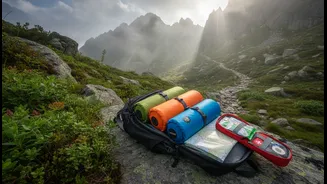
Tailoring your luggage to the forecast is the first step in smart travel. During monsoon season (roughly June to September), prioritise quick-dry synthetic fabrics over cotton, which absorbs moisture and takes days to dry in high humidity. A lightweight
waterproof jacket is more practical than an umbrella against windy downpours. Waterproof sandals, a rain cover for your backpack, and multiple dry bags or zip-lock pouches for electronics are non-negotiable. For the intense summer heatwaves, loose-fitting, light-coloured cotton and linen clothes are essential to reflect sunlight and allow air circulation. In contrast, winters in northern India, especially from November to January, demand layers. Early mornings can be frigid, so pack thermals, a fleece jacket, and a warm down jacket, along with a hat and gloves, particularly for early morning outings. A versatile scarf is useful year-round: for sun protection in summer, covering up at religious sites, and providing a light layer of warmth on a cool evening.
Navigating Transport Challenges
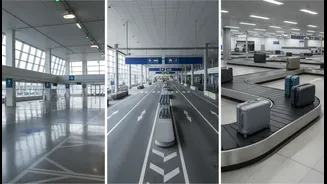
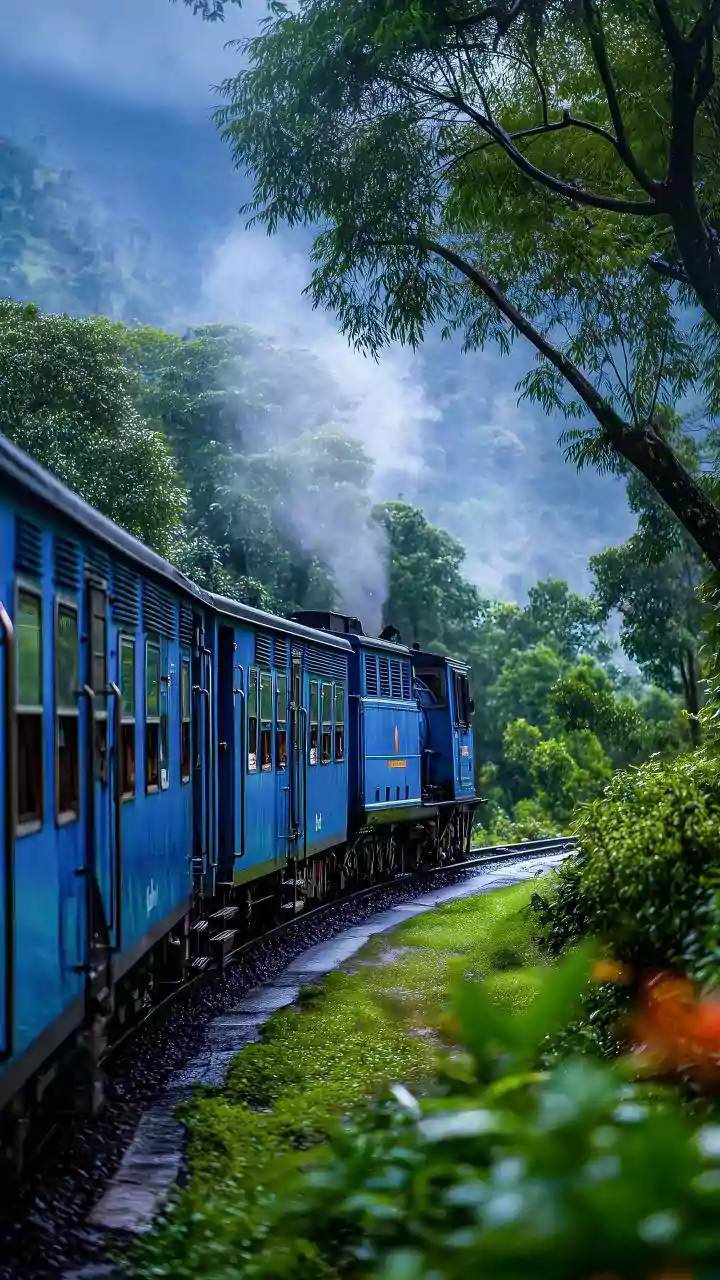
Weather significantly impacts travel and transport across India. The monsoon season is notorious for causing disruptions. Heavy rains lead to waterlogged city streets, disrupting bus services and causing massive traffic jams. Landslides in hilly regions, such as the Western Ghats and Himalayas, can shut down key highways like the Mumbai-Pune Expressway for hours or even days. Train services also suffer, with cancellations and delays common due to flooded tracks or landslides. Recent reports from July 2026 highlight widespread disruptions to rail and road traffic across multiple states due to heavy monsoon rains. Similarly, dense winter fog, a common occurrence in North India, severely impacts visibility, leading to major flight and train delays and making road travel hazardous. On some days, hundreds of flights can be delayed or cancelled at major airports like Delhi's IGI Airport. Before any journey, it's crucial to check the latest forecasts from the India Meteorological Department (IMD) and advisories from airlines or railway authorities, and always have a backup plan.
Adjusting Daily Activities
Beyond packing and transport, daily activities must be adapted to the weather for safety and health. During summer heatwaves, when temperatures can soar above 40 degrees Celsius, it's critical to avoid strenuous activity during peak sun hours (typically 12 PM to 4 PM). Plan outdoor sightseeing for the early morning or late evening. Stay hydrated by drinking plenty of water, coconut water, or buttermilk, and eat light meals. Heatstroke is a serious risk, so listen to your body and seek shade or air-conditioned spaces frequently. During the monsoon, be mindful of water-borne diseases and the risk of slipping on wet, muddy surfaces. It might be a good time to explore indoor attractions like museums and galleries. In foggy winter conditions, the primary concern is safety due to low visibility. It is advisable to avoid driving in dense fog if possible, but if you must, drive slowly, use your fog lamps, and maintain a safe distance from other vehicles. Paying attention to official alerts for heavy rain, floods, or heatwaves can help you make informed decisions to keep safe.