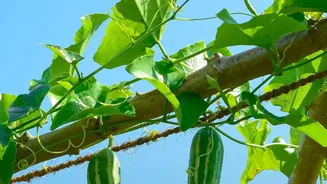







Understanding the Kiwi Vine
Before you start digging, it's important to know what you're getting into. The kiwifruit, or Chinese Gooseberry, is a vigorous, climbing vine, not a tree. This means it requires a strong support structure like a trellis or pergola to grow on. Also, kiwifruit farming
is a long-term commitment. A vine typically won't produce a significant harvest until its fourth or fifth year, reaching peak production after about eight years. But the wait can be worthwhile, as a healthy vine can remain productive for over 30 years. Most importantly, kiwi plants are dioecious, meaning male and female flowers grow on separate plants. To get fruit, you need at least one male plant to pollinate up to eight female plants. When buying from a nursery, plants will be tagged as male or female.
Choosing the Right Spot and Variety
Kiwifruit vines thrive in specific conditions. They need a spot that receives at least six to eight hours of full sun per day and is sheltered from strong winds. The ideal soil is well-drained, loamy, and slightly acidic, with a pH between 5.5 and 7.0. In India, kiwi cultivation is most successful in the temperate mid-hill regions of states like Himachal Pradesh, Uttarakhand, Arunachal Pradesh, and Sikkim, as the plants require 700-800 chilling hours (temperatures at or below 7°C) to flower properly. They generally don't do well in the hot plains. The 'Hayward' variety is the most popular green-fleshed kiwi grown commercially in India due to its large fruit and good storage quality. Other suitable female varieties include 'Allison' and 'Bruno'. A common male pollinator variety, especially for 'Hayward', is 'Tomuri'.
Planting and Early Care
The best time to plant kiwi vines is typically in January, during the dormant season. It's highly recommended to purchase grafted plants from a reputable nursery to ensure you get healthy, true-to-type vines that fruit earlier than those grown from seed. When planting, dig a hole large enough to accommodate the root system and enrich the soil with organic compost or well-rotted manure. If planting multiple vines, space female plants about 10-15 feet apart. The male plant should be within 50 feet of the females for effective pollination by bees and wind. After planting, water the vine well and prune it back to encourage vigorous growth. You will need to build a sturdy support structure, like a T-bar or pergola, for the vine to climb.
Ongoing Maintenance: Water, Food, and Pruning
Kiwi vines need consistent moisture, especially during the growing season, so water them deeply about once or twice a week, but avoid waterlogged soil which can cause root rot. Fertilise the plants twice a year, in early spring and again in mid-summer, with a balanced fertiliser or organic compost. Pruning is essential for managing the vine's vigorous growth and maximising fruit production. A major pruning should be done in the winter when the plant is dormant to remove old wood and shape the vine. A lighter summer pruning helps to control excessive growth and allow sunlight to reach the developing fruit.
The Financial Harvest: Does It Really Save Money?
Now for the big question: can growing kiwis reduce your grocery bill? The answer is a qualified 'yes', but it requires patience. The initial investment includes the cost of the plants and a sturdy trellis system. With retail prices for kiwi fruit in India ranging from ₹150 to over ₹400 per kilogram, the potential for savings is significant. A single mature vine can produce 30-40 kg of fruit. Even with one or two productive female vines, a home grower could harvest a substantial amount, easily offsetting the initial costs over time. The fruits are typically harvested in the autumn while still firm and then ripened indoors over a couple of weeks. While you won't see a return in the first few years, the long-term yield from a well-cared-for vine can provide a steady supply of this expensive fruit for decades, making it a very fruitful investment in the long run.