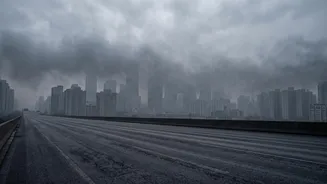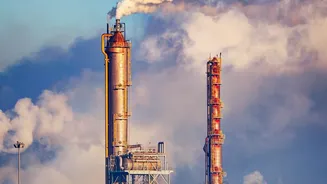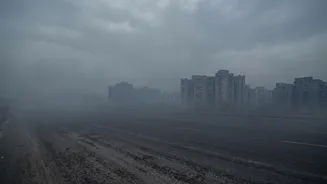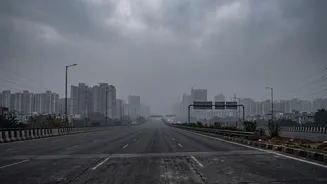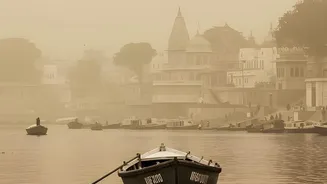


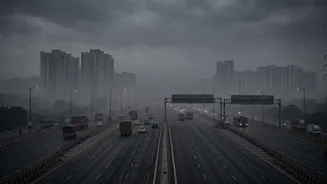
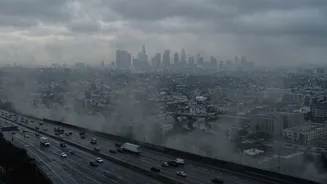
As the air in Delhi-NCR takes on its familiar winter haze, authorities have acted. With pollution levels rising, the first stage of the Graded Response Action Plan, or GRAP, is now in effect to stop the air quality from getting worse.
What is GRAP and Why Was It Activated?
The Graded Response
Action Plan (GRAP) is a set of emergency measures that are implemented to combat air pollution in the Delhi-National Capital Region. Think of it as a step-by-step guide for what to do as the air quality worsens. The Commission for Air Quality Management (CAQM) invoked Stage 1 on October 21, 2026, after Delhi's Air Quality Index (AQI) jumped from 'moderate' (179) to 'poor' (244) in just one day. This proactive step was taken based on forecasts that the air quality would likely remain in the 'poor' category, aiming to prevent a slide into 'very poor' or 'severe' conditions.
Focus on Construction and Demolition Dust
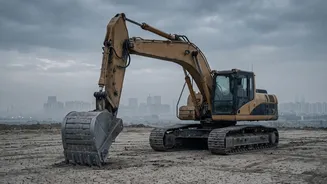
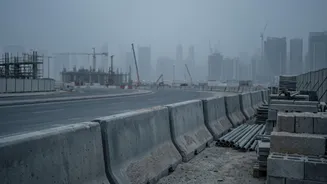
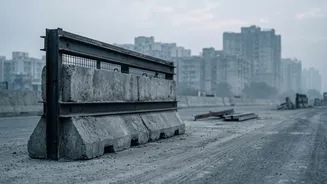
A primary target of GRAP Stage 1 is the dust generated from the region's countless construction and demolition (C&D) projects. Under the new rules, all C&D sites, especially those larger than 500 square metres, must strictly adhere to dust control norms. This includes installing anti-smog guns, regular water sprinkling, and keeping all construction materials and debris securely covered. Furthermore, vehicles transporting these materials must have their loads fully covered to prevent dust from escaping during transit. Any site not registered on the government's web portal or failing to comply with these rules will face enforcement action.
Crackdown on Polluting Vehicles
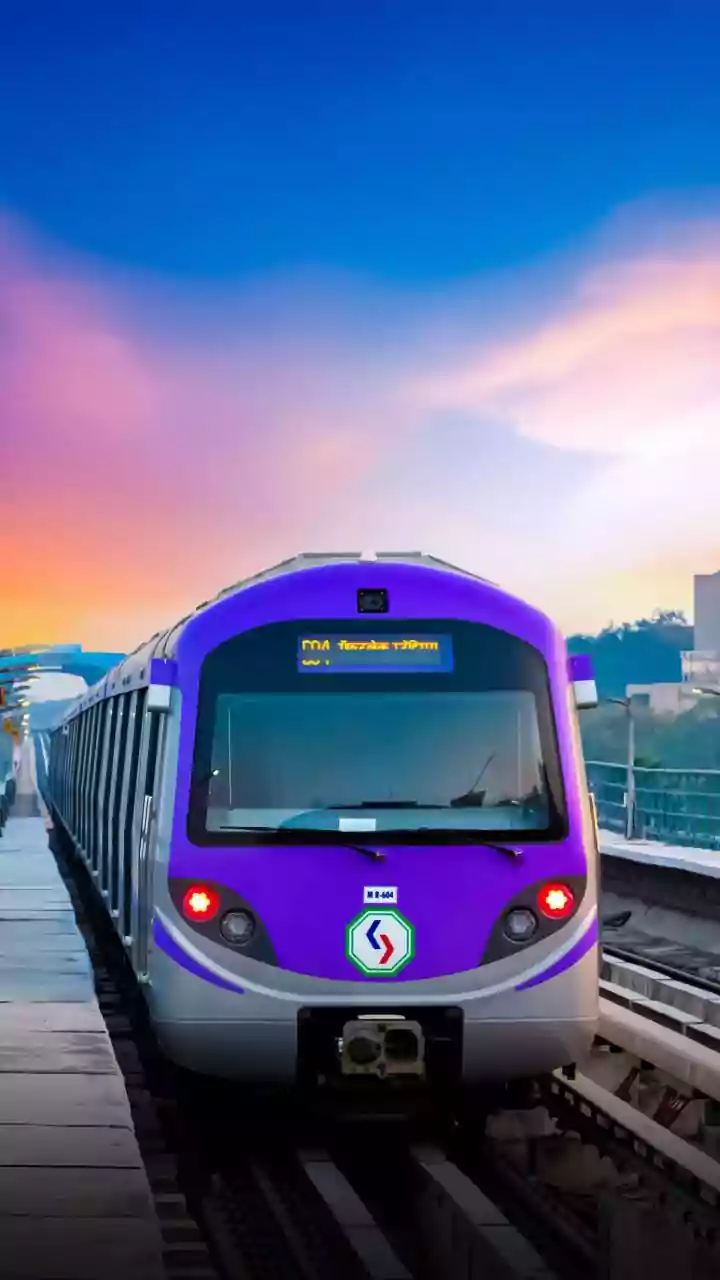
Vehicular emissions are another major contributor to the region's pollution, and GRAP-1 brings them into sharp focus. Enforcement will be intensified to ensure all vehicles on the road have a valid Pollution Under Control (PUC) certificate. Any vehicle seen visibly emitting pollution will be subject to penalties, and could even be impounded. The rules also target inter-state buses entering the NCR; only those that are electric, CNG-powered, or compliant with BS-VI diesel norms are permitted to operate. Commuters are also being encouraged to rely more on public transport to help reduce overall emissions.
Other Key Restrictions Under Stage 1
The GRAP-1 rules extend beyond just dust and vehicle fumes. There is a strict ban on the open burning of any waste, including garbage and biomass. Authorities have been directed to increase surveillance at landfill sites to prevent fires. Roads will see more frequent mechanized sweeping and water sprinkling to settle dust. Additionally, a notable restriction affects hotels, restaurants, and open eateries, which are now prohibited from using coal or firewood in their tandoors. The use of diesel generator sets is also restricted, allowed only for essential or emergency services.
What Happens if Pollution Worsens?
GRAP is designed to be incremental. If the measures under Stage 1 are not enough to stabilize the air quality and the AQI slips into the 'Very Poor' category (301-400), Stage 2 will be invoked. Stage 2 would bring in stricter measures, such as higher parking fees to discourage private vehicle use and an increase in the frequency of metro and bus services. If the situation deteriorates further into 'Severe' (Stage 3) or 'Severe+' (Stage 4), even more drastic steps are taken. These can include banning BS-III petrol and BS-IV diesel cars and imposing a ban on all construction activities. The goal of the current Stage 1 measures is to prevent the need for these more disruptive actions.