




What is Orange Zest?
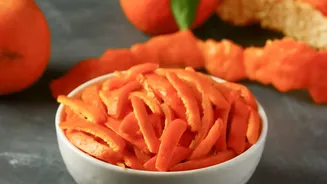
Before you start grating, it is important to understand what orange zest is and, more importantly, what it is not. Zest is the thin, brightly coloured outer layer of the orange peel. This part of the skin is packed with aromatic essential oils that hold
the intense, pure flavour of the fruit without the acidity of the juice. The peel, on the other hand, refers to the entire skin, including the bitter white layer underneath known as the pith. When a recipe calls for zest, it is crucial to only use the colourful part, as the pith will add an unpleasant bitterness to your final dish.
The Right Tools for the Job
You do not need a lot of fancy equipment to make orange zest. Several common kitchen tools can do the job effectively. A microplane is often considered the best tool because its sharp, tiny holes create a fine, fluffy zest with very little effort and a low risk of grating the pith. A standard box grater also works; just use the side with the smallest holes and apply light pressure. Another option is a dedicated citrus zester, which carves out thin ribbons of zest perfect for garnishes. If you do not have any of these, a simple vegetable peeler or a sharp paring knife can be used to slice off wide strips of the peel, which you can then finely chop with a knife. Just be careful to only take the orange part.
How to Zest an Orange Perfectly
The process is simple, regardless of your chosen tool. First, wash and dry the orange thoroughly to remove any wax or residue. It is always best to work with organic oranges if you plan on using the peel. Hold the orange firmly in one hand and your zesting tool in the other. Lightly drag the tool across the surface of the orange, applying just enough pressure to remove the coloured part of the peel. Rotate the fruit as you go, stopping as soon as you see the white pith underneath. If using a microplane, you will find most of the zest collects on the back, which you can then scrape off into your bowl. Remember, it is always easier to zest a whole fruit before you juice it.
Storing and Maximising Flavour
To get the most flavour, it is best to use zest immediately after grating it, as its aromatic oils begin to evaporate when exposed to air. However, if you have extra, you can store it. Fresh zest can be kept in an airtight container in the refrigerator for about a week. For longer storage, freeze it in a sealed container or bag, where it will last for several months. One popular technique for baking is to rub the fresh zest into the sugar required for the recipe. Using your fingertips, massage the zest and sugar together until the sugar becomes fragrant and lightly coloured. This process releases the essential oils directly into the sugar, ensuring that vibrant orange flavour is distributed throughout your baked goods.
Simple Dessert Ideas to Start
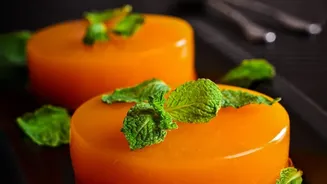
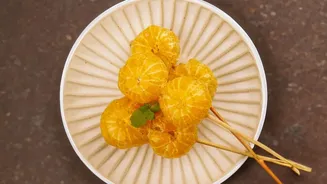
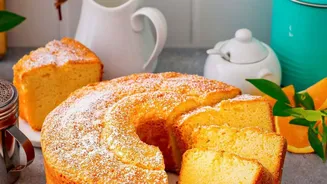
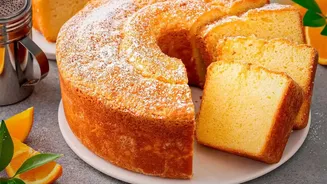
Once you have mastered the basics, the possibilities are endless. Orange zest adds a bright counterpoint to rich flavours like chocolate and is a natural partner for spices like cardamom. Start by mixing zest into simple muffin or cookie batter. An orange almond cake gets a fragrant lift from fresh zest, as does a simple upside-down orange cake. For a no-bake option, consider an orange posset, a simple creamy dessert set with citrus. You can also make a flavourful orange sugar by mixing zest with granulated sugar and letting it dry; use it to rim glasses for cocktails or sprinkle over yoghurt. The zest can also be used to infuse creams for panna cotta or custards. Let these simple applications inspire you to experiment and bring a little sunshine to your desserts.