

A Rebellion Against Sameness
In a world dominated by fast fashion and algorithm-driven trends, many young Indians are seeking authenticity. This has sparked a renewed interest in traditional jewellery as a form of self-expression and cultural pride. Rather than conforming to globalised
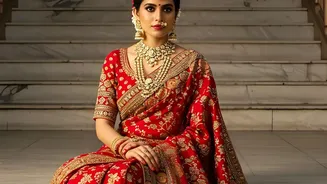
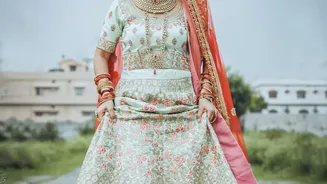
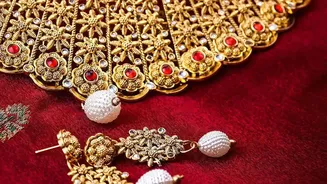
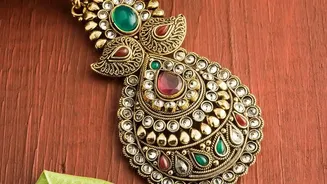
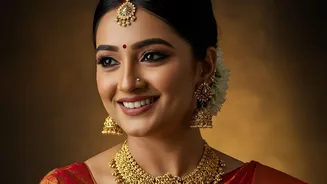
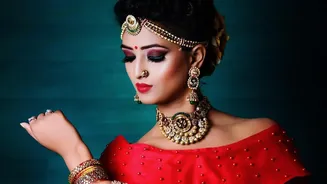
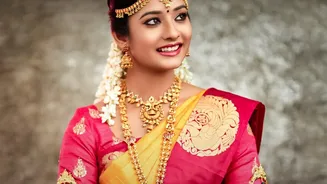
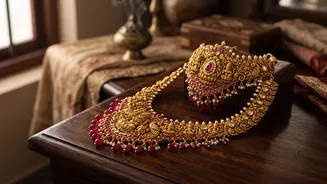
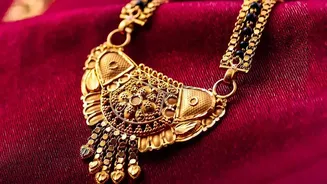
minimalist aesthetics, they are choosing pieces that tell a story and connect them to their roots. This turn towards heritage is seen by some as a 'rebellion against sameness', a conscious choice to wear something with history and individuality. Designs like kundan, polki, and temple jewellery are no longer reserved for weddings; they are being integrated into everyday style, signalling a deeper appreciation for craftsmanship and cultural identity.
Heirlooms and Modern Styling
The trend is not just about buying new pieces, but also about rediscovering old ones. Gen Z is raiding their mothers' and grandmothers' jewellery boxes, not just for special occasions, but for daily wear. These heirloom pieces are seen as tangible connections to family history and legacy. However, the way they are worn is decidedly modern. An antique 'kamarbandh' (waist belt) might be styled on its own, or a heavy temple necklace could be paired with a simple dress or even a power suit. This fusion allows for personal expression while honouring tradition, transforming vintage pieces into contemporary statements.
The Social Media Showcase
Social media platforms like Instagram and Pinterest have become the new discovery hubs for jewellery. Celebrity wedding photos and influencer posts showcasing elaborate traditional designs have a huge impact, turning heritage pieces like kundan chokers and polki sets into aspirational items overnight. This digital exposure allows young shoppers to see how traditional jewellery can be styled in fresh, modern ways. While many still prefer to make the final purchase in a physical store, the journey of inspiration and discovery now begins online, with saved posts and screenshots guiding their choices.
Beyond Gold: New Metals and Meanings
While gold remains central to Indian jewellery, younger buyers are also exploring other materials. Silver, in particular, has seen a surge in popularity among Gen Z and millennials, valued for its contemporary appeal and affordability. This generation is diversifying its jewellery collection with lightweight, versatile pieces suitable for daily wear. The focus is less on the investment value alone and more on personal style, customisation, and emotional resonance. Jewellery is increasingly seen as a reflection of one's identity and values, not just as a traditional asset.
An Appreciation for Craftsmanship
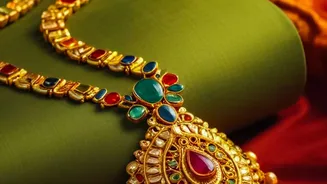
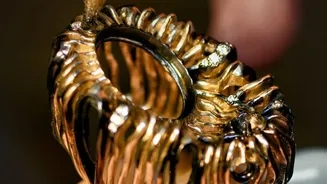
In an era of mass production, there is a growing appreciation for the artistry and intricate work of local artisans. Traditional Indian jewellery, with its rich history of craftsmanship in techniques like meenakari (enamel work) and jadau, offers a compelling alternative to machine-made accessories. This interest aligns with a broader shift towards sustainability and conscious consumption. By choosing handcrafted pieces, young shoppers are not only acquiring a unique item but also supporting and preserving ancient craft forms. It represents a move toward 'slow fashion' and pieces that are meant to last for generations.