




Beyond the Basics of Protein and Fibre
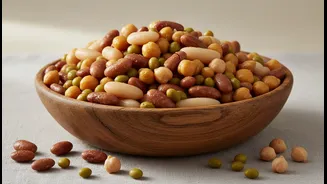
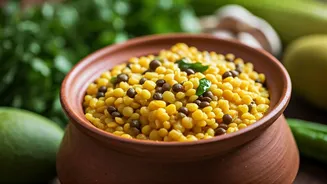
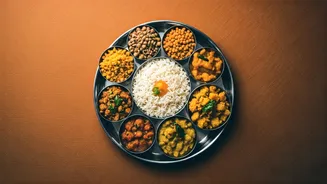
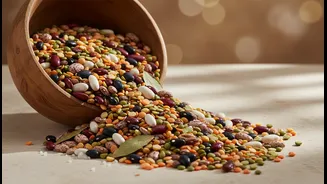
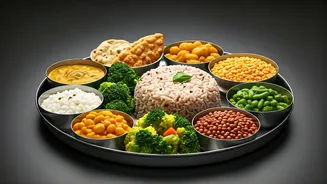
For generations, dals and legumes have been the backbone of Indian kitchens, celebrated for being an inexpensive source of plant-based protein and filling fibre. We’ve always known they were good for us, helping to build muscle, keep us full, and support
weight management. But the story doesn't end there. Recent scientific attention has shifted to the lesser-known, yet powerful, components within these tiny powerhouses. Researchers are increasingly excited about the wide array of bioactive compounds, such as polyphenols and flavonoids, packed into lentils and beans. These compounds act as potent antioxidants, fighting cell damage and inflammation, which are linked to many chronic health issues. Think of them as your body's internal defence squad, working quietly to protect your overall health.
A Feast for Your Gut
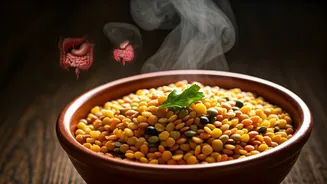
One of the most exciting areas of new research is the profound impact of lentils and beans on gut health. Your gut is home to trillions of bacteria, and keeping them happy is crucial for everything from digestion to immunity. Pulses are rich in prebiotic fibre and resistant starch, which act as a preferred food source for these beneficial gut microbes. As these good bacteria feast on the fibre, they produce short-chain fatty acids (SCFAs). These SCFAs help strengthen the gut lining, reduce inflammation, and may even improve metabolic health. Studies have shown that regular consumption of lentils and chickpeas can positively alter the gut microbiome, fostering a healthier internal ecosystem. A happy gut doesn't just mean smoother digestion; it's linked to a stronger immune system and better overall wellness.
A Shield Against Chronic Disease
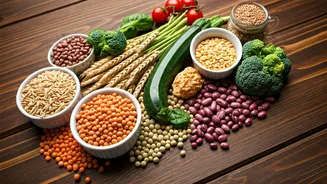
The unique combination of fibre, protein, and bioactive compounds in beans and lentils makes them a formidable ally in the prevention and management of chronic diseases. Their low glycemic index means they release sugar into the bloodstream slowly, helping to regulate blood sugar levels, which is crucial for preventing and managing type 2 diabetes. Numerous studies have also linked regular pulse consumption to improved heart health. The soluble fibre in beans and lentils can help lower LDL ('bad') cholesterol, while minerals like potassium help keep blood pressure in check. Research has shown that eating legumes at least four times a week can significantly reduce the risk of heart disease. Emerging evidence also points to their role in reducing the risk of certain cancers.
Unlock More Nutrition by Sprouting
Want to supercharge your legumes? Just add water. The age-old practice of sprouting is gaining renewed popularity for its ability to dramatically boost the nutritional profile of lentils and beans. Sprouting initiates the germination process, which neutralizes phytic acid, a compound that can hinder the absorption of minerals like iron, zinc, and calcium. This process makes the nutrients in the legumes more bioavailable, meaning your body can absorb and use them more effectively. Sprouting also increases the content of certain vitamins, like B vitamins and vitamin C, and can boost antioxidant levels significantly. Sprouted lentils, which can be eaten raw or lightly cooked, add a delightful crunch to salads and sandwiches and are gentle on the digestive system.
Easy Ways to Eat More Pulses
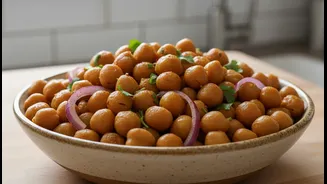
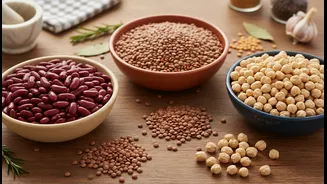
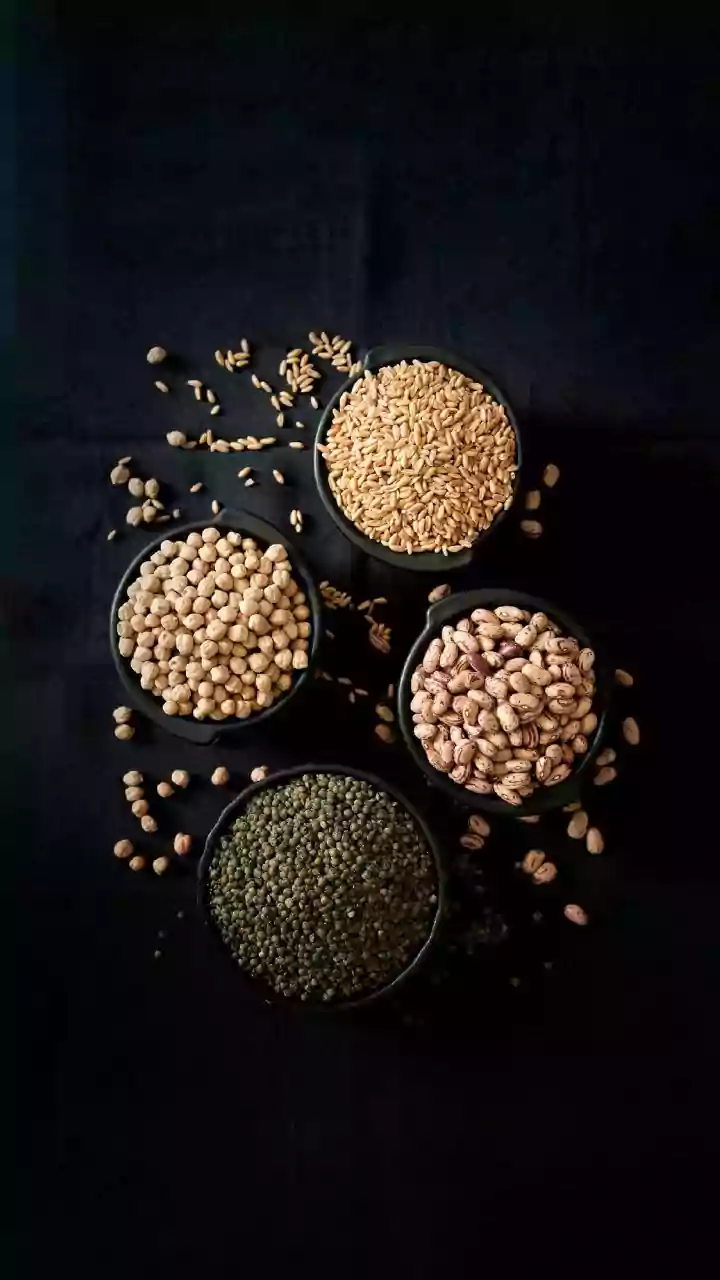
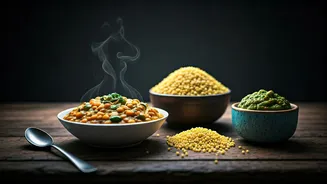
Incorporating more lentils and beans into your diet doesn't have to be complicated. If you're using dried beans, a quick soak can reduce cooking time and improve digestibility. Canned beans are a convenient shortcut; just be sure to rinse them well to remove excess sodium. Start by adding a handful of chickpeas to your salad for a protein and fibre boost. Blend cooked lentils into soups and curries for a thicker, richer texture. You can even mash black beans to create flavourful patties for burgers. Try swapping some of the meat in your favourite dishes with lentils or beans for a healthier, more affordable meal. From lentil soups to black bean quesadillas, the options are as versatile as they are delicious.