


Why Humidity Is a Decor Dilemma
The Indian monsoon is a welcome guest after a long, hot summer, but it brings a companion that isn't so pleasant: humidity. When moisture levels in the air stay consistently high, it creates the perfect environment for a host of home decor problems. Fabric
upholstery can absorb moisture, leading to a persistent musty smell and mildew growth. Wooden furniture and doors can swell and warp, sometimes to the point of cracking. Rugs and carpets can become breeding grounds for fungi, and even walls can develop unsightly patches of mould. This isn't just an aesthetic issue; it can also impact indoor air quality and lead to respiratory discomfort. The solution isn't to live in a sterile box, but to make smart, strategic choices about the materials you surround yourself with during these damp months.
Swap Heavy Fabrics for Lighter Layers
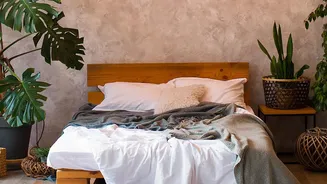
One of the quickest and most effective changes you can make is to your home textiles. Pack away heavy velvet, jacquard, and thick synthetic-blend curtains and cushion covers. These materials trap moisture and take a very long time to dry, promoting mildew. Instead, embrace lighter, breathable fabrics. Sheer or lace curtains are an excellent choice as they allow for better air circulation and let in precious sunlight on overcast days. For cushion covers, bed linen, and throws, opt for natural fibres like cotton and linen. These materials are quick-drying and don't hold onto moisture as readily, keeping your space feeling and smelling fresh. If you prefer synthetics, modern performance fabrics and polyester blends are designed to be moisture-resistant.
Rethink Your Rugs and Floor Coverings
Thick, wall-to-wall carpets are a major risk during the monsoon. They can trap an enormous amount of moisture, dirt, and allergens. It’s a good idea to have them professionally cleaned and then rolled up and stored in a dry place until the season passes. To avoid bare floors, switch to lighter options. Cotton dhurries or flat-weave rugs are fantastic alternatives. They bring colour and comfort to a room but are light enough to be moved, shaken out, and aired in the sun on dry days. Another smart move is to place sturdy doormats, preferably made of coir, at all entrances to trap mud and water before they are tracked through the house.
Choose Furniture That Breathes Easy
Solid wood furniture can be particularly vulnerable to high humidity. This doesn't mean you need to get rid of your beloved wooden pieces, but it's wise to be mindful. Keep wooden furniture a few inches away from walls to allow for air circulation and prevent mould from growing behind it. For new purchases or monsoon-specific additions, consider materials that are less affected by moisture. Metal furniture, such as powder-coated aluminium or stainless steel, is a sleek, modern, and rust-resistant option. Furniture made from cane and all-weather wicker also allows for excellent airflow. If you love the look of wood, opt for engineered wood or high-quality laminates, which are designed to be more stable and moisture-resistant than their natural counterparts.
Accessorise with Non-Porous Materials
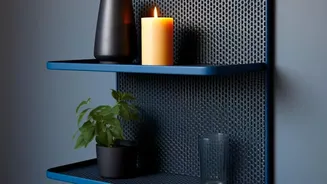
Your choice of accessories can also make a big difference. Porous decor items, like those made from untreated clay or certain fabrics, can absorb moisture from the air. This is the perfect season to showcase your glassware, ceramic vases, and metallic decor. These materials are non-porous, easy to wipe down, and their reflective surfaces can help brighten up a room that might feel gloomy due to overcast skies. Introducing vibrant colours through these accessories—like bright cushions or colourful art—can also lift the mood and combat the dreariness of a grey, rainy day.