



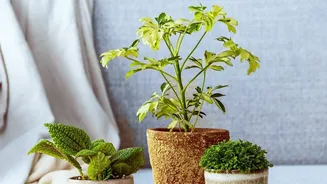

Boston Fern (Nephrolepis exaltata)
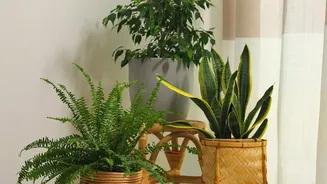
With its graceful, arching fronds, the Boston Fern is a classic choice for adding a touch of soft, green elegance to any room. This plant is a humidity superstar, making it perfect for bathrooms or kitchens where steam is common. They crave consistently
moist soil, so it's important not to let them dry out completely. Water them when the top inch of soil feels dry. Boston Ferns prefer bright, indirect light, so placing them near an east-facing window or behind a sheer curtain is ideal. If you notice the tips of the fronds turning brown, it's often a sign that the air is too dry, so consider misting the leaves regularly or placing the pot on a tray of pebbles filled with water.
Calathea (Prayer Plant)
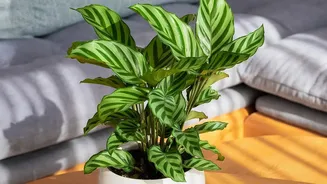
Known for their stunning, patterned foliage, Calatheas bring an artistic and dramatic flair. These plants are famous for their unique leaf movements; they fold their leaves up at night as if in prayer. As native rainforest floor dwellers, they adore high humidity and indirect light. Direct sun will scorch their delicate leaves and cause their vibrant patterns to fade. Keeping the soil consistently moist but not waterlogged is crucial for their health. Water when the top one to two inches of soil feel dry. Their sensitivity to dry air can cause leaf edges to curl or brown, so a regular misting every few days will keep them happy.
Alocasia (Elephant Ear Plant)
For a bold, tropical statement, look no further than the Alocasia. With their large, arrow-shaped leaves, often featuring striking veins, they create an instant jungle vibe. These plants are native to humid environments and will appreciate any extra moisture you can provide. Place them in a spot with bright, indirect light, as direct sun can burn the leaves. The key to watering is consistency; keep the soil evenly moist but never soggy. A good rule of thumb is to water when the top two inches of soil are dry. Alocasias can go dormant in cooler months, so reduce watering during that time and resume when you see new growth in the spring.
Peace Lily (Spathiphyllum)
The Peace Lily is beloved for its elegant white blooms and glossy, dark green leaves. Not only is it beautiful, but it's also an excellent air purifier. Peace Lilies thrive in medium to low light conditions and appreciate high humidity, which makes them very adaptable to different spots in an apartment. They are known for being quite communicative; their leaves will droop dramatically when they need water, but they perk up quickly once hydrated. Try to keep the soil consistently moist. Wiping the leaves down with a damp cloth occasionally will not only keep them dust-free but also provide a little humidity boost.
Bird's Nest Fern (Asplenium nidus)
If you want a fern with a different look, the Bird's Nest Fern is a fantastic option. It features wide, wavy, and undivided fronds that grow in a rosette shape, resembling a bird's nest. This architectural plant adds a unique texture to your collection. Like its relatives, it loves the high humidity found in bathrooms and kitchens. It prefers medium, indirect light, as direct sun can cause the light-green fronds to yellow and crinkle. Keep the soil evenly moist, and be sure to water the soil around the base of the plant, not directly into the 'nest' or centre, as this can encourage rot.
Boosting Your Home's Humidity
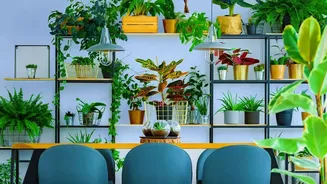
Even if your apartment isn't naturally damp, you can easily create a humid microclimate for your plants. Grouping plants together is one of the most effective methods, as they release moisture through their leaves in a process called transpiration, raising the humidity in their immediate vicinity. Another popular technique is to place pots on trays filled with pebbles and water. The pot sits on top of the pebbles, above the water line, and as the water evaporates, it creates a humid environment around the plant. For a more direct approach, regular misting with a spray bottle can provide a temporary boost, or you can invest in a small room humidifier for the most consistent results.