





The Tyranny of the Lunar Night
Exploring the Moon is a tale of two extremes. During the long lunar day, surface temperatures can soar to 100°C. But when the sun sets for the two-week-long lunar night, the environment becomes one of the most hostile in the solar system. Without an atmosphere
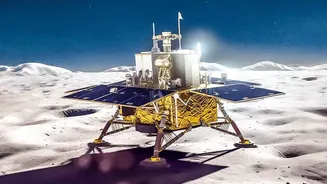
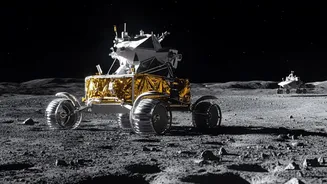
to retain heat, temperatures can plummet to below -170°C, and in some perpetually dark polar craters, they can reach a staggering -200°C. This profound cold is disastrous for conventional electronics, especially the lithium-ion batteries that power rovers and landers. The liquid electrolytes inside them freeze, stopping the chemical reactions that generate electricity and often causing permanent damage. This has historically limited missions, like India’s Chandrayaan-3 lander and rover, to operating for a single lunar day before succumbing to the cold.
The Old Solution: Burning Power to Stay Warm
Until now, the primary strategy for surviving the lunar night has been a brute-force approach: using heaters. Missions have relied on either powerful electric heaters or Radioisotope Heater Units (RHUs) to keep critical components, including the batteries themselves, within a safe operational temperature. This method comes with significant drawbacks. Electric heaters consume vast amounts of precious energy that must be stored in heavy battery banks. It's estimated that for every watt of power needed to survive the night, an additional 5 kilograms of mass is required for the power system. This adds substantial weight, complexity, and cost to any mission, severely limiting the scientific payload and overall scope. Keeping batteries warm just so they don't die is a deeply inefficient way to explore another world.
A Breakthrough in Solid-State Technology
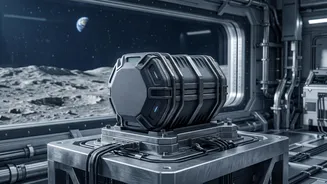
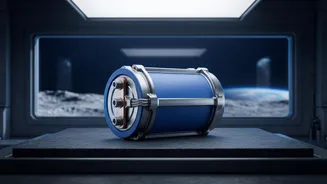
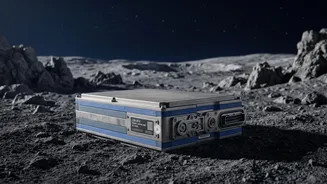
A recent announcement from NASA signals a potential paradigm shift. Researchers under a project named SPEARS (Solid Power for Extreme Environment Adaptability and Resilience in Space) have been developing solid-state batteries specifically for these harsh conditions. The key innovation is replacing the volatile liquid electrolyte found in typical batteries with a solid, stable material like ceramic or a polymer. While even these advanced batteries cannot generate power at the lowest lunar temperatures, recent tests have shown they can survive being exposed to temperatures as low as -170°C without sustaining any damage. They have demonstrated stable operation down to -80°C. This means they don't need to be kept warm constantly throughout the entire lunar night; they just need to be warmed up to their operational temperature when it's time to get back to work.
Unlocking the Unseen Moon
The implications of this technology are enormous. By significantly reducing the need for heavy, power-hungry thermal management systems, rovers can be lighter, cheaper, and carry more scientific instruments. More importantly, it would allow them to operate through the lunar night, effectively doubling or tripling their mission lifespans and allowing for long-term studies of the lunar environment. This breakthrough is particularly crucial for exploring the Moon's South Pole, a key target for future Artemis missions. This region is home to Permanently Shadowed Regions (PSRs) — craters that haven't seen sunlight in billions of years. These frigid traps are believed to hold vast quantities of water ice, a critical resource for future human outposts. A rover equipped with cold-tolerant batteries could finally venture into these dark, scientifically rich areas to search for and analyze this ice.
Powering a Sustained Lunar Presence
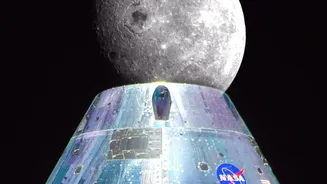
This isn't just about better rovers; it's about building a sustainable future on the Moon. Reliable power that can endure the full lunar cycle is a foundational requirement for any long-term human presence. From astronaut emergency kits to scientific instruments and the construction of habitats, everything will depend on batteries that can survive the extreme temperature swings. The SPEARS technology represents a critical enabling tool for the Artemis campaign and other international efforts to establish a foothold on the lunar surface. By solving one of the most fundamental challenges of lunar survival, these advanced batteries help pave the way for an era of not just visiting the Moon, but staying there. This could transform our nearest celestial neighbour from a temporary destination for short robotic sprints into a dynamic hub for science and exploration.