




The Backlash Against Maximalism
Remember the mid-2010s? It was the peak of Instagram-face: sharp contouring, blinding highlighter, and multi-layered skincare routines popularised by K-beauty. Influencers showcased bathroom cabinets overflowing with products, and 'shelfies' became a competitive
sport. But for many, this maximalist approach led to confusion, irritation (both for skin and soul), and a feeling of being perpetually behind. The promise of perfection through a dozen different bottles began to feel less like self-care and more like a chore. This growing fatigue created the perfect environment for a counter-movement, one that questioned whether all that effort and expense was actually making us look, or feel, any better.
The Pandemic-Driven Reset
The global lockdowns acted as a powerful catalyst for this shift. With nowhere to go and no one to impress, the focus naturally turned inward. Heavy foundation and elaborate makeup felt redundant for Zoom calls and grocery runs. Instead, people began paying closer attention to the health of their actual skin, not just how to cover it up. The pandemic forced a collective pause, encouraging a reset in our habits. It became less about performance and more about comfort and well-being. This newfound appreciation for natural skin texture and a simpler lifestyle didn't disappear when the world opened back up; it became the foundation of a new beauty standard.
‘Skinimalism’ and the Call for Authenticity
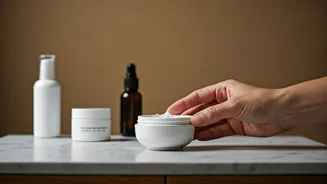
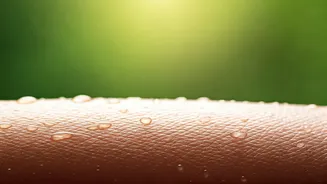
Enter 'skinimalism', a term that perfectly captures the new ethos. It’s a hybrid of skincare and minimalism, championing a routine that is both simple and effective. The goal is no longer to achieve a flawless, poreless canvas, but to let your real skin—freckles, texture, and all—shine through. This trend is deeply connected to a broader cultural demand for authenticity, largely driven by Gen Z. This generation is pushing back against the hyper-curated, filtered perfection that dominated social media for years. They favour 'photo dumps' over single perfect shots and value transparency from brands and influencers. In this context, a minimalist beauty routine is a statement: it signals confidence and a rejection of unrealistic standards.
The Rise of the Savvy, ‘Skin-tellectual’ Consumer
Today’s consumers are more educated than ever. They are 'skin-tellectuals' who read ingredient lists, research formulations, and understand actives like niacinamide, retinol, and hyaluronic acid. They know that layering too many potent ingredients can damage the skin barrier, leading to sensitivity and breakouts. This knowledge empowers them to curate a lean but powerful routine. Instead of buying ten mediocre products, they invest in three or four high-quality, multi-tasking heroes that deliver real results. Brands have responded by launching hybrid products—like tinted sunscreens or moisturising serums—that simplify routines without sacrificing efficacy.
Economic and Environmental Consciousness
The 'less is more' philosophy is also practical. With rising costs of living, a phenomenon dubbed 'skinflation' has made consumers more mindful of their spending. A pared-down routine is simply more budget-friendly. Beyond personal finance, there is a growing awareness of the beauty industry's environmental footprint, from excessive plastic packaging to water consumption. Conscious consumers are actively seeking to reduce their waste, and adopting a minimalist routine is a significant step. Buying fewer products means less packaging to discard and a smaller carbon footprint, aligning personal care with planetary care.