


The Overwatering Problem
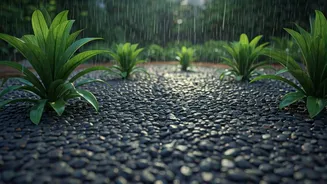
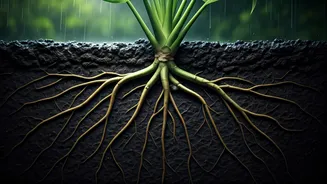
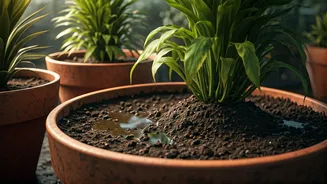
The single biggest challenge during the monsoon is managing excess water. With frequent rains, your regular watering schedule is no longer needed. Overwatering is a common cause of plant death because it suffocates the roots, preventing them from accessing
oxygen and leading to root rot. The best practice is to check the soil before adding any more water. Stick your finger about an inch into the soil; if it feels moist, let it be. Plants in outdoor spaces may not need any manual watering at all, while indoor plants will require less frequent watering due to higher humidity and less sunlight for evaporation.
Mastering Pot Drainage
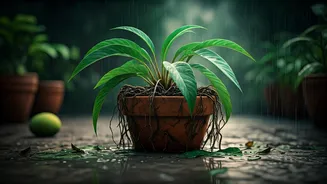
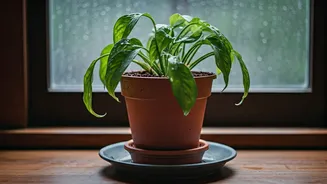
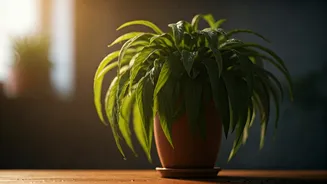
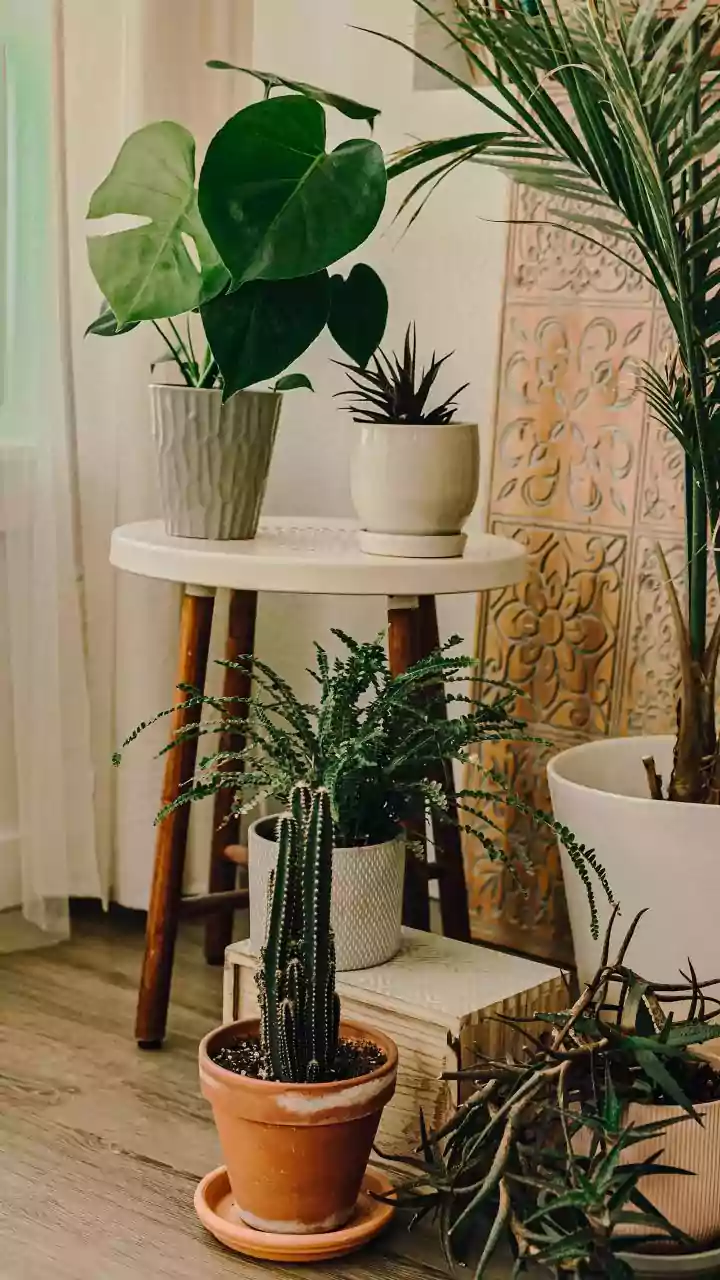
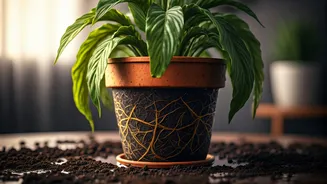
Good drainage is your plant's best friend during the rainy season. Before the heavy rains begin, it's crucial to check that the drainage holes at the bottom of your pots are clear and not blocked. If water can't escape, the soil becomes waterlogged. To improve drainage, you can elevate your pots using 'pot feet' or small bricks. This simple step allows excess water to flow out freely and increases air circulation around the root zone. Also, remove any saucers from under your outdoor pots, as they can collect stagnant water and essentially drown your plant's roots.
Preventing Pests and Fungi
High humidity and damp conditions create a perfect breeding ground for fungal diseases and pests like aphids, mealybugs, and snails. Prevention is far easier than cure. Regularly inspect your plants, paying close attention to the undersides of leaves, for any signs of trouble. Improve air circulation by ensuring there's enough space between your plants and pruning dense foliage. A preventive spray of organic neem oil solution every 10-15 days can be highly effective. This acts as a natural fungicide and pest repellent, creating a protective barrier.
To Prune or Not to Prune?
The monsoon is an excellent time for pruning and propagating. Trimming your plants encourages new, healthier growth and helps maintain a good shape. Regularly cutting away dead, damaged, or diseased leaves and branches not only improves the plant's appearance but also enhances air circulation, which helps prevent fungal infections. Strong winds and heavy rain can damage stems, so giving plants a light trim can make them more resilient. It's also the ideal season to take cuttings from existing plants to grow new ones, as the high humidity encourages root development.
The Sunshine and Nutrient Question
Cloudy days mean less sunlight, which can be a problem for sun-loving plants. If possible, move pots to the sunniest spot available, like an east-facing balcony or window, to maximize light exposure. Succulents and cacti, in particular, may need to be moved to a covered or brighter spot. When it comes to fertilizer, be cautious. Heavy rains can wash away nutrients from the soil. A light top dressing with organic compost, like cow dung manure, before the monsoon begins can be beneficial as it improves soil structure and releases nutrients slowly. Avoid using heavy chemical fertilizers during this time, as they can burn the roots in waterlogged soil.