





What the Study Investigated
Researchers have been interested in the brain-health potential of nuts for years, and peanuts are a particularly accessible and affordable option. A notable study, often cited in these discussions, was led by the University of Barcelona. It involved a group
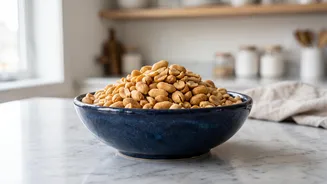
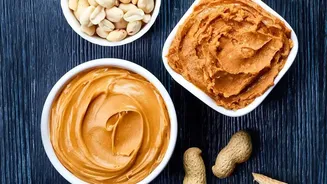
of healthy young adults and observed the effects of regular consumption of peanuts and peanut butter on cognitive functions and stress response. Another line of research has explored similar benefits in older adults, focusing on how compounds in peanuts, like polyphenols, might impact memory and mental processing. These studies typically ask a group of volunteers to add a specific amount of peanuts to their daily diet for a period of several months, comparing their cognitive test results before and after the intervention against a control group that did not eat the peanuts.
The Positive, Nuanced Findings
The results of these studies are often encouraging, but specific. In one key study, participants who consumed peanuts regularly showed improvements in certain aspects of memory and processing speed. The researchers linked these benefits to the high concentration of bioactive compounds in peanuts, which are known to have antioxidant and anti-inflammatory properties. These compounds may help protect the brain's blood vessels and reduce oxidative stress, which is a factor in cognitive decline. So, the findings did suggest a positive association between peanut consumption and certain cognitive functions. The participants didn't suddenly develop photographic memories, but they performed better on specific, targeted tests related to memory and executive function.
Why This Doesn't Prove Dementia Prevention
This is the most important part to understand. Showing a modest improvement in one or two cognitive tests in a group of healthy adults for six months is vastly different from proving that peanuts can prevent a complex disease like Alzheimer's or other forms of dementia. Dementia is a neurodegenerative condition that develops over decades. To prove prevention, researchers would need to follow thousands of people for many years, if not decades, which is an incredibly difficult and expensive undertaking. These smaller, shorter studies can only show a correlation—that peanut consumption and better cognitive scores happened at the same time. They cannot prove causation, meaning they can't definitively say that the peanuts caused the improvement and will therefore prevent future disease.
Understanding the Study's Limitations
Every scientific study has limitations, and the researchers in this field are the first to point them out. Many nutrition studies rely on participants to self-report their food intake, which can be inaccurate. Furthermore, the group of people studied might not be representative of the entire population. It's also possible that people who agree to participate in a health study are already more health-conscious in other ways—they might exercise more, eat more vegetables, or smoke less. It's difficult to isolate the effect of the peanuts from these other 'confounding' lifestyle factors. The duration is also a key limitation. A six-month study can't predict what will happen over twenty years.
The Bottom Line: Should You Eat Peanuts?
The big takeaway is not to dismiss peanuts, but to have realistic expectations. Peanuts are a nutritious food. They are an excellent source of protein, healthy fats, fibre, and various vitamins and minerals. Including them as part of a balanced, whole-foods diet is a smart choice for overall health, which in turn supports brain health. The Mediterranean and DASH diets, both consistently linked to better long-term cognitive outcomes, feature nuts and legumes prominently. So, feel good about snacking on a handful of peanuts. They offer real nutritional benefits. Just don't expect them to be a magic bullet that single-handedly wards off dementia.