





The Unseen Dangers on Your Floor
Kitchen floors are a hotspot for contaminants, no matter how clean they look. Floors collect everything from dust and dirt tracked in on shoes to invisible bacteria like E.coli and Salmonella. When you place food, even packaged items, directly on the floor,
you create a bridge for these contaminants. The exterior of a sealed bag can get dirty, and that contamination can easily transfer to your hands, countertops, and eventually, your food during preparation. Furthermore, cleaning becomes more difficult, as staff or family members tend to clean around items on the floor, allowing dirt, grease, and moisture to accumulate, which can also attract pests.
Why Damp Walls Are a Red Flag
Storing ingredients against walls, especially in humid Indian climates, poses a different but equally serious threat: mould and mildew. Dampness, common in basements, near plumbing, or in poorly ventilated areas, creates a perfect breeding ground for fungi. Mould releases microscopic spores into the air that can settle on and contaminate nearby food, leading to spoilage. Inhaling these spores can also trigger allergic reactions, respiratory issues like coughing and wheezing, and other health problems, particularly for children, the elderly, and those with weakened immune systems. The combination of high humidity and warmth, typical in many Indian kitchens, accelerates this process significantly.
The 'Six-Inch' Rule Explained
Food safety authorities and health inspectors globally, including guidelines relevant in India, recommend a simple but effective principle: store all food items at least six inches (or 15 centimetres) off the floor. This 'six-inch rule' applies to all forms of storage—dry, refrigerated, and frozen. The elevation serves multiple purposes. It provides a crucial buffer against floor contaminants, protects items from spills and mop water, and allows for adequate air circulation, which helps control temperature and humidity. Crucially, this gap makes it easier to properly clean underneath storage units and to spot any signs of pests like rodents or insects, which often travel along walls and floor edges.
Smart and Safe Storage Solutions
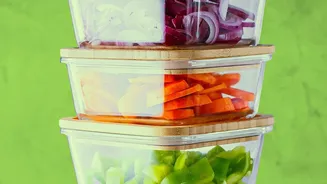
Implementing safe storage doesn't have to be complicated. The goal is to elevate and separate. Use sturdy shelves, racks, or food-safe pallets (preferably plastic, which is non-porous) to keep everything off the ground. It is also advisable to keep items away from walls, with a desirable gap of at least 18 inches to prevent contamination and allow for cleaning. For dry goods like flour, grains, and spices, transfer them from their original paper or plastic bags into airtight containers. This protects them from moisture, pests, and cross-contamination. In your refrigerator, store raw meat, poultry, and seafood on the bottom shelf in sealed containers to prevent their juices from dripping onto and contaminating other foods.
Maintaining a Healthy Storage Environment
Proper storage is about more than just shelving. Ensure your storage areas, whether it's a pantry or a corner of your kitchen, are cool, dry, and well-ventilated to inhibit bacterial and mould growth. In India's humid climate, a dehumidifier can be a valuable tool for controlling moisture levels in storage areas. Regularly clean and sanitise your pantry shelves, containers, and refrigerator. Implement the "First-In, First-Out" (FIFO) principle: place newer items at the back and older items at the front to ensure they get used before they expire. Always check for signs of spoilage or pest activity and discard any compromised products immediately.