





A Sweet Farewell to the King of Fruits
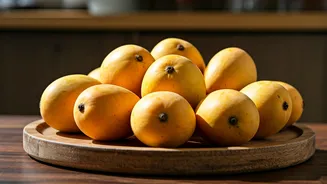
For generations, the end of the mango season has followed a familiar, bittersweet rhythm. The final batch of Dasheri mangoes, arriving from the orchards of Uttar Pradesh, signals the peak and subsequent decline of summer's greatest pleasure. [2, 3] Traditionally,
these last fruits are savoured in their purest form: sliced and eaten fresh, pulped for aamras, or blended into a cooling lassi. [4] It’s a race against time, a final indulgence before the monsoon washes away the heat and, with it, the king of fruits. This annual ritual is deeply embedded in the cultural fabric of North India, a shared experience of abundance and the gentle melancholy of its passing. [3]
The Rise of the Mango Baker
This year, however, a new chapter is being written in kitchens from Delhi to Lucknow. Instead of simply consuming the final haul, a growing wave of home bakers is firing up their ovens. The goal: to capture the fleeting essence of Dasheri and preserve it in cakes, tarts, and cheesecakes. This isn't just about dessert; it's a cultural shift. Fueled by social media feeds filled with golden-hued creations and the home-cooking skills many honed over the past few years, baking has become the new, modern way to extend the mango season. It’s a way to transform the sorrow of the season's end into a celebration that lasts just a little bit longer.
Why Dasheri Is an Unsung Baking Hero
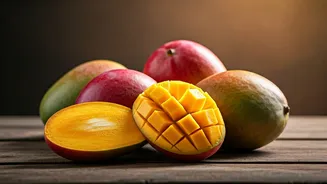
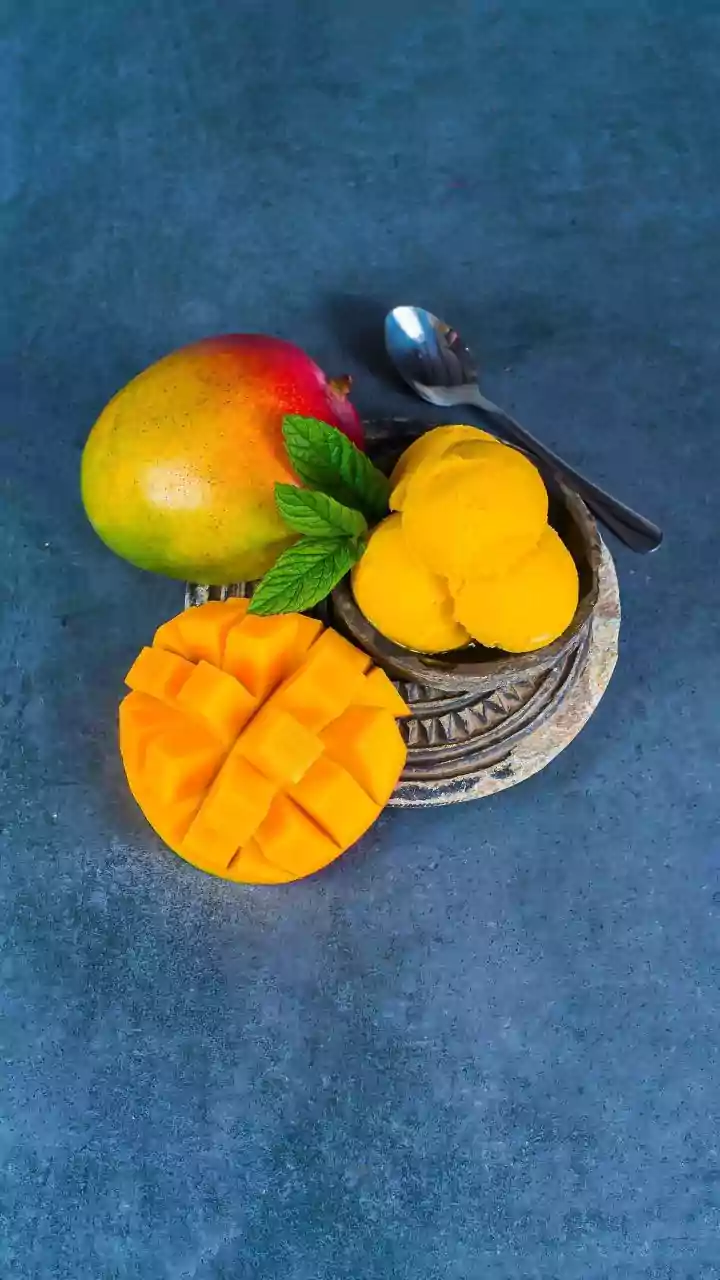
While Alphonso and Kesar mangoes are often lauded for their use in creamy desserts, the Dasheri variety brings its own unique advantages to the baker's table. [5] Originating in Uttar Pradesh, Dasheri mangoes are known for their sweet and aromatic flavour profile, with a smooth, completely fibreless flesh that melts in the mouth. [4, 9, 11] This texture makes them incredibly versatile. The pulp can be pureed into a silky-smooth consistency for mousses and cheesecakes, while the firmer flesh holds its shape beautifully when diced for tarts or used in an upside-down cake. [5, 10] Its intense sweetness means that bakers can often reduce the amount of sugar in their recipes, letting the fruit's natural flavour shine through.
From Cheesecakes to Crumbles: The Trendiest Bakes
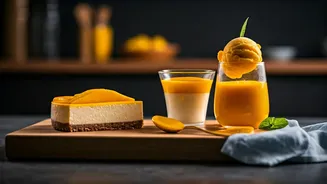
The creativity on display is impressive. No-bake mango cheesecake seems to be the star of the show, its creamy, tangy filling a perfect counterpoint to the sweet Dasheri puree. This is closely followed by mango cream cakes, where the fruit is both folded into the batter and layered with fresh cream. More adventurous bakers are experimenting with mango crumbles, where the warm, soft fruit bubbles under a crunchy oat topping. Others are making mango bread, muffins, and even mango-infused tres leches cake. [19] The versatility of the Dasheri is being explored in full, moving it beyond traditional Indian desserts like kulfi and shrikhand into the realm of global patisserie. [10]
Tips for Baking with the Last of the Season's Mangoes
Inspired to join the trend? Home bakers offer a few key tips for success. First, choose your mangoes wisely. The final batch of Dasheris, which ripen in June and early July, are at their peak sweetness. [13] When making a puree, you can add a pinch of cardamom or a squeeze of lime to elevate the flavour. If your mangoes are exceptionally juicy, you may need to cook down the puree slightly to concentrate the flavour and reduce the water content, especially for cheesecakes and mousses. For cakes and muffins, dicing the mango and tossing it in a light coating of flour before adding it to the batter can prevent the fruit from sinking to the bottom.