






The Humidity Deception
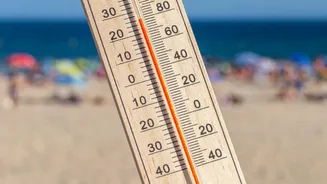
We often judge the heat by the number on a thermometer, but our bodies experience something different: the apparent temperature, or heat index. This is what the temperature feels like when relative humidity is combined with the air temperature. When it rains,
especially after a hot spell, the moisture evaporates from the warm ground, pumping humidity into the air. This sudden spike in atmospheric moisture is why it can feel sticky and even warmer after a brief shower. For example, a temperature of 32°C with 70% humidity can feel like a scorching 41°C. This muggy air is the real threat, as it fundamentally changes how our bodies cope with heat.
How Your Body Fights the Heat
Your body has a brilliant, built-in air conditioning system: sweating. When your internal temperature rises, your brain signals millions of sweat glands to release moisture onto your skin. The magic happens when this sweat evaporates. This process of turning liquid into vapour requires energy, which it draws from your skin in the form of heat. This 'evaporative cooling' is the primary way your body regulates its temperature and prevents overheating. In dry conditions, this system works beautifully. Sweat evaporates quickly, providing efficient cooling.
When Rain Isn't a Relief
The problem with a rainy, humid day is that the air is already saturated with water vapour. This high moisture content severely slows down the evaporation of your sweat. Because the surrounding air can't absorb much more water, the sweat just sits on your skin, unable to provide its cooling effect. Your body, sensing that it's still hot, keeps producing more sweat in a futile attempt to cool down. This forces your system to work overtime, placing significant strain on your heart and other organs as it struggles to regulate your temperature.
Know the Warning Signs
Being stuck in a crowded bus, train, or a car without air conditioning during a humid commute creates a perfect storm for heat strain. It's crucial to recognise the symptoms of heat exhaustion before it progresses to a life-threatening heatstroke. Early warning signs include heavy sweating, feeling faint or dizzy, fatigue, a weak and rapid pulse, headache, and nausea. You might also experience muscle cramps. If you or someone around you becomes confused, stops sweating, or loses consciousness, it is a medical emergency requiring immediate attention.
Tips for a Safer Rainy Commute
Protecting yourself from heat strain on a humid day requires a shift in mindset. First, hydrate proactively. Drink plenty of water throughout the day, not just when you feel thirsty. Opt for lightweight, loose-fitting, and light-coloured clothing to help your skin breathe. Fabrics designed to wick moisture away from the skin can also be very effective. If possible, try to travel during cooler parts of the day. If you feel yourself beginning to overheat, find a cooler place, loosen your clothing, and drink cool water. Applying a cool, wet cloth to your neck or forehead can also provide quick relief.