



So, What Is Sonification?
At its core, sonification is the process of translating data into non-speech audio. It’s a concept that’s been around for over a century—think of a Geiger counter’s clicks indicating radiation—but its application to astronomy is creating a viral new way
to experience the cosmos. Since space is a vacuum, there's no medium for sound to travel as it does on Earth. Instead, scientists take the digital data collected by telescopes like the Chandra X-ray Observatory, Hubble, and James Webb Space Telescope and map it to sound. This isn't music in the traditional sense; it's a direct translation. For example, brighter parts of an image might become louder, colors can be assigned to different musical pitches or instruments, and the position of an object can determine when its sound is played. A scan across an image from left to right can create a celestial symphony that unfolds over time.
A Symphony of Stars and Galaxies
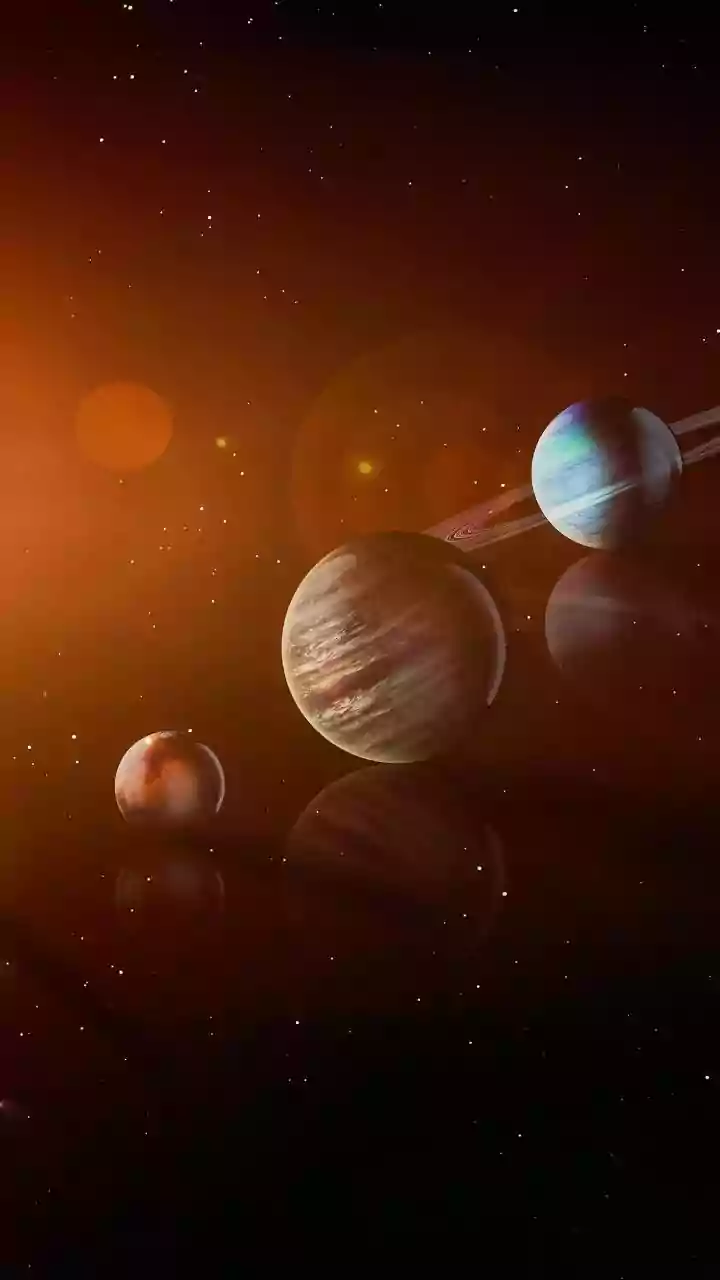
NASA's sonification projects, primarily led by the Chandra X-ray Center, have produced an incredible library of cosmic sounds. Imagine listening to the Galactic Center, the heart of our own Milky Way galaxy. In its sonification, data from different telescopes are assigned to different instruments: X-rays from Chandra are represented by one family of instruments, while infrared light from other telescopes is heard as another. The result is a complex, layered soundscape that helps listeners distinguish between different cosmic phenomena. Other famous celestial objects have also been given an audio treatment. In the sonification of the Pillars of Creation, the haunting sounds correspond to the dense pillars of gas and dust. For Cassiopeia A, a supernova remnant, the translation includes sounds for different chemical elements revealed by X-rays, like iron and calcium, creating a scientifically rich audio experience. Even planets in our solar system have joined the choir, with sonifications of Jupiter, Saturn, and Uranus released to mark planetary alignments.
More Than Just a Cosmic Playlist
While these sounds are undeniably cool, sonification is far more than a public relations gimmick. It's a powerful tool for scientific discovery. The human ear is exceptionally good at detecting patterns, trends, and anomalies in complex data streams—sometimes even better than the eye. Astronomers can use sonification to identify subtle changes in stellar light curves or pick out faint signals from a noisy background, a phenomenon often compared to the 'cocktail party effect' where you can focus on a single conversation in a crowded room. For example, blind astronomer Wanda Díaz-Merced pioneered sonification tools in her own research and discovered it could increase a researcher's sensitivity to the signals that indicate the presence of black holes. By representing multi-dimensional data with different audio qualities like pitch, volume, and texture, scientists can gain new insights that might be missed by visual inspection alone.
Making Space Accessible to Everyone
Perhaps the most significant impact of sonification is its role in making astronomy more accessible, especially for individuals who are blind or have low vision. For a long time, the visual nature of astronomy created a barrier for many. Sonification breaks down that barrier, providing a robust, data-driven way to explore cosmic images through sound. NASA's sonification team works directly with members of the blind and visually impaired community, including consultants and scientists, to ensure the audio translations are both accurate and meaningful. This work opens up new pathways into STEM fields and allows more people to participate in the wonder of scientific discovery. When combined with other tools like 3D-printed models of celestial objects, sonification creates a multi-sensory experience that provides a deeper and more intuitive understanding of the universe's structure and scale for everyone.