






From Agricultural Waste to Wonder Material
Every time sugar is produced, a massive amount of fibrous residue is left behind after the sugarcane stalks are crushed. This material is called bagasse. For years, it was largely treated as waste. Now, this byproduct is being transformed into a valuable
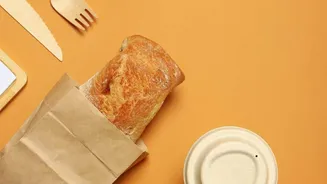
resource for the food packaging industry. The process involves pulping the bagasse fibers, which are then molded under high heat and pressure to create sturdy, lightweight, and food-safe containers, plates, and bowls. This turns what was once agricultural waste into a sustainable alternative to the plastics that dominate the food delivery landscape.
The Environmental and Functional Edge
The primary benefit of bagasse is its environmental profile. Unlike plastic, which can take hundreds of years to break down, bagasse is fully biodegradable and compostable, returning to the soil in a matter of months under the right conditions. This dramatically reduces landfill waste and plastic pollution. The production process also has a lower carbon footprint compared to petroleum-based plastics. But sustainability isn't its only advantage. Bagasse containers are naturally water and grease resistant, making them ideal for Indian cuisine which often includes curries and oily foods. They are also microwave and freezer-safe, offering a level of convenience and performance that often surpasses styrofoam and flimsy plastics.
How Delivery Platforms Are Driving the Shift
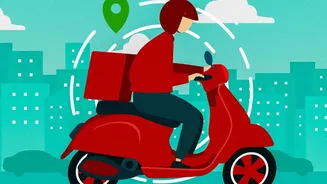
Food delivery giants like Zomato and Swiggy are playing a pivotal role in accelerating the adoption of bagasse packaging. Realizing that cost and awareness are major hurdles for restaurants, these platforms have launched initiatives to make the switch easier. Zomato, for instance, introduced 'PackSwitch,' a platform that helps restaurant partners identify suitable sustainable packaging for their dishes and connects them with over 100 verified suppliers across India. This initiative aims to solve challenges related to cost, functionality, and availability. By featuring a 'low plastic packaging' tag on the app, these platforms also empower consumers to choose restaurants that are making an effort, creating a market-driven incentive for sustainability. As of early 2026, Zomato's program had already recognized over 10,000 restaurants that have collectively delivered more than 100 million orders in low-plastic packaging.
The Hurdles on the Road to Green Delivery
Despite the clear benefits, the transition is not without its challenges. The primary obstacle is cost. Eco-friendly packaging like bagasse can initially be more expensive than conventional plastic, potentially increasing order costs for consumers who may have limited willingness to pay a premium. However, industry leaders expect that as adoption increases, economies of scale will kick in, eventually making sustainable options more affordable. Another significant challenge is the supply chain. Although India is a top sugarcane producer, much of the bagasse is used internally by sugar mills for power generation, leaving a smaller percentage for downstream industries like packaging. This can create supply bottlenecks and price volatility for packaging manufacturers, a hurdle that needs to be addressed to ensure consistent availability for thousands of restaurants.