


The Rise and Fall of a Neutral Empire
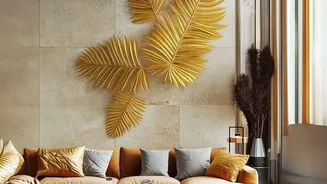
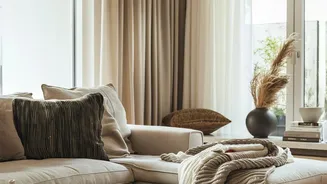
It’s hard to remember a time before beige. It was the colour of quiet luxury, the minimalist’s dream, and the undisputed king of a clean, curated social media feed. From sofas and rugs to the very walls around us, beige offered a serene, uncomplicated
backdrop to our lives. It was safe, sophisticated, and an easy way to make a space feel pulled-together. But as with any trend that reaches total saturation, fatigue began to set in. What once felt calming started to feel, for many, a bit boring and predictable. The universal adoption of beige led to a sea of similarity, with homes beginning to lose their individual character. Designers and homeowners alike have begun to crave spaces that feel more expressive, dynamic, and deeply personal.
The Shift to Dopamine Decor
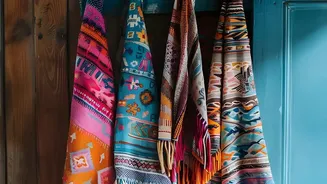
The move away from beige isn’t just a cyclical design shift; it's a cultural one. There's a growing movement towards what some call "Dopamine Decor," which focuses on creating interiors that actively boost joy and energy. After a period of global uncertainty and spending more time indoors, people want their homes to be more than just stylishly muted sanctuaries; they want them to be sources of comfort and happiness. This means embracing colours that resonate on a personal level. The trend is less about chasing a specific new colour and more about having the confidence to use any colour at all to reflect one's personality. This isn't a call for chaotic maximalism, but a gentle encouragement to be more intentional and emotional with our design choices.
Finding a New 'Balanced' Palette
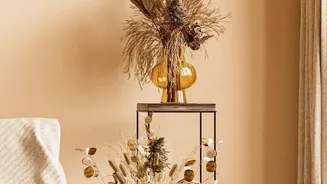
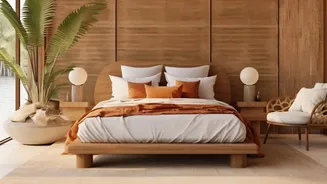
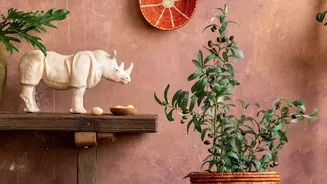
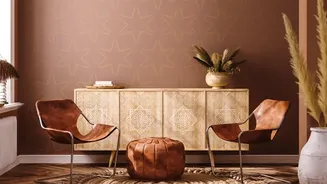
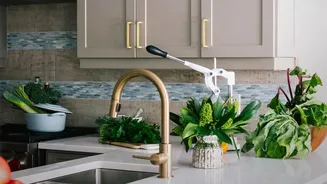
So, what does the end of the all-beige era mean for creating a balanced colour palette? It’s not about trading one dominant colour for another. Instead, it’s about a more nuanced approach. In India, this shift is leaning towards earthy, nature-inspired tones that work well with the country’s diverse climates and light conditions. Think less about stark beige and more about warm neutrals like caramel, greige, and soft taupe. These shades provide a versatile and warm foundation without feeling flat. The new balance comes from layering these warmer neutrals with sophisticated, muted colours. Sage and olive greens, dusty blues, and rich terracotta are becoming favourites for their ability to add character without overwhelming a space.
How to 'Un-Beige' Your Home
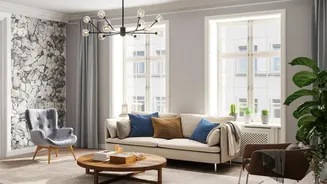
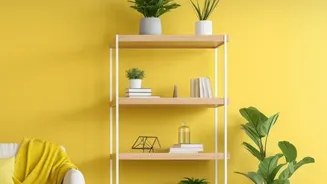
Introducing more colour doesn't require a complete overhaul. The key is to start small and build confidence. You can begin by swapping out neutral accessories for ones with richer, deeper tones. Consider adding a statement armchair in a contrasting texture like velvet or a bold pattern to disrupt the monotony. Another approach is to use the classic 60-30-10 rule as a guideline: 60% of your room is a dominant, neutral colour (like a warm white or greige), 30% is a secondary colour (perhaps a muted green or blue on an accent wall or large furniture piece), and 10% is an accent colour, brought in through cushions, art, or decor. The goal is to create layers of visual interest. Look to nature for inspiration—earthy greens, warm browns, and deep blues create a palette that feels both timeless and grounded.