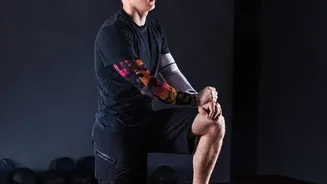




From 10-Minute Routines to 'Movement Snacks'
The 10-minute daily mobility session became popular for a simple reason: it was an accessible entry point for improving joint health and flexibility. It promised tangible benefits without a huge time commitment. But as our understanding of sedentary behaviour
grows, the thinking has evolved. The new approach, often called 'movement snacking' or 'mobility micro-dosing', breaks up exercise into even smaller, more manageable chunks of just two to five minutes, spread throughout the day. The goal is to counteract the negative effects of prolonged sitting, such as stiff hips, poor posture, and back pain, by moving little and often. Instead of one consolidated session, you might do a few squats between meetings or some shoulder rolls while a kettle boils. This philosophy prioritises consistency over duration.
Why Consistency Is the New Intensity
The key benefit of frequent, short sessions is that they consistently interrupt sedentary periods. Staying in one position for hours can lead to muscle stiffness, decreased circulation, and joint discomfort. Experts suggest that short, regular movements help maintain joint health by promoting the flow of synovial fluid, which nourishes joint cartilage. Think of it as 'motion is lotion' for your body. These mini-sessions also enhance blood flow, can boost energy levels and focus, and help keep muscles activated throughout the day. While a 10-minute daily routine is good, sprinkling five two-minute sessions throughout your day can be more effective at preventing the stiffness and aches that come from inactivity. It shifts the mindset from 'getting a workout done' to integrating movement as a natural part of your day.
How to Start with Short Sessions
Getting started is simple because the barrier to entry is incredibly low. The key is to attach these 'movement snacks' to existing habits or transition points in your day. Set a timer to get up and move every hour, or decide to do a short routine every time you get up to refill your water bottle. Another strategy is to link movement to specific tasks, like doing calf raises while brushing your teeth or walking around during a phone call. Don't aim for a full workout; the goal is to simply move. Pick two or three simple exercises and focus on performing them with control. Starting with just one or two 'snacks' a day is a great way to build the habit before trying to add more.
Simple 'Movement Snacks' for Your Day
You don’t need any special equipment to get started. For those who sit at a desk, these short routines can be a game-changer. Try a two-minute neck and shoulder reset: slowly drop your ear to each shoulder, holding for 20 seconds. Follow this with gentle chin tucks and slow shoulder rolls, both forwards and backwards. For lower body stiffness, a three-minute hip and spine mobility snack works wonders. Start with 10 slow, controlled bodyweight squats, focusing on depth. Then, perform standing cat-cows by placing your hands on your thighs, rounding your spine up, and then arching it down. Finish with 30 seconds of marching on the spot, bringing your knees up high to engage your core and hip flexors.
Are Longer Workouts Still Necessary?
It's important to see movement snacks as a supplement to, not a replacement for, your regular exercise routine. They are a powerful tool for combating the health risks of a sedentary lifestyle and maintaining joint mobility on a daily basis. However, they don't provide the same cardiovascular or strength-building stimulus as a focused, longer workout session. The ideal approach combines both: use movement snacks to stay loose, mobile, and energised throughout your workday, and continue with your structured workouts—whether that's running, strength training, or yoga—to build and maintain your overall fitness. Think of short sessions as the daily maintenance that makes your bigger workouts feel better and more effective.