


Prioritise Drainage Above All
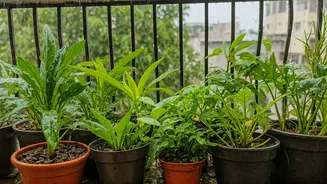
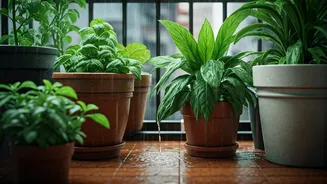
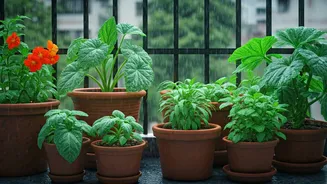
The single biggest threat to potted plants during the monsoon is waterlogging. When soil stays saturated, it cuts off oxygen to the roots, leading to root rot. Before the rains intensify, ensure every pot has clear, unobstructed drainage holes. If a pot lacks
holes, it's not suitable for the rainy season. Elevate your pots using bricks, small stands, or purpose-made 'pot feet'. This small gap allows excess water to escape freely and prevents the pot from sitting in a puddle, which is crucial for root health. Also, remember to clear your balcony's main drain of any leaves or debris to prevent water from pooling on the floor.
Secure Your Pots and Structures
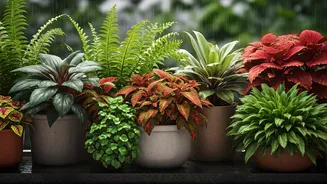
Monsoon storms often come with strong, gusty winds that can be amplified between city buildings. A top-heavy plant can easily be knocked over, causing damage to the plant and creating a safety hazard. Use heavier containers like ceramic or concrete for taller plants. For lightweight plastic pots, consider placing rocks in the bottom before adding soil to increase stability. Grouping pots together can also help them provide mutual support against the wind. If you have climbers on trellises or other vertical structures, check that they are securely fastened to the wall or railing to withstand the force of the wind.
Adjust Your Watering Schedule
It seems obvious, but overwatering is a common mistake during the monsoon. The frequent rain usually provides more than enough moisture for your plants. Before you reach for the watering can, always check the soil. Stick your finger an inch or two into the soil; if it feels damp, do not water it. Let the top layer of soil dry out slightly between waterings. Plants like succulents, cacti, and jade are particularly sensitive to excess water and can rot quickly. If possible, move these water-sensitive plants to a covered part of the balcony where they are shielded from direct downpours.
Watch for Pests and Fungi
The high humidity and constant dampness create a perfect breeding ground for pests and fungal diseases like powdery mildew, black spot, and root rot. Good air circulation is key to prevention, so avoid crowding your plants too closely together. Regularly inspect the leaves (including the undersides) for any signs of trouble like spots, stickiness, or fine webs. Pruning dense foliage can also improve airflow. A preventive spray of neem oil solution every 15 days can be an effective organic way to keep many common pests and fungal issues at bay.
Choose Monsoon-Loving Plants
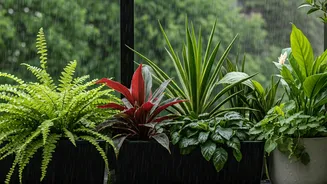
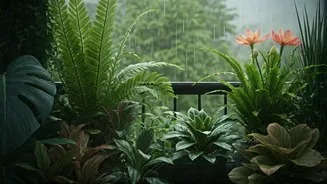
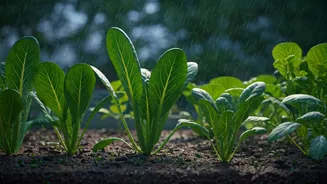
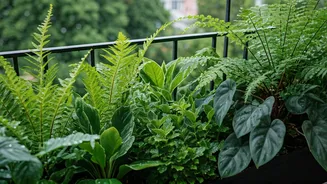
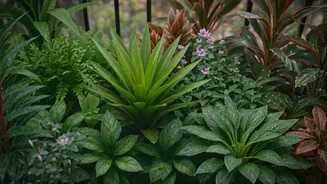
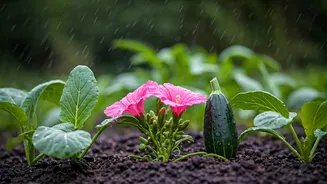
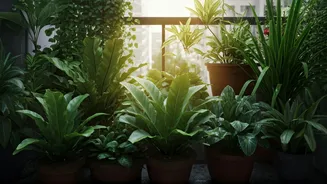
While some plants struggle, many thrive in the monsoon's humidity and rain. If you're looking to add new plants, consider species that flourish this time of year. Hibiscus, jasmine (mogra), and rain lilies are classic monsoon bloomers. Foliage plants like ferns, caladiums, coleus, and money plants also grow vigorously during the rainy season. For edibles, it's a great time to grow herbs like mint and coriander, and vegetables such as spinach and okra. Choosing the right plants for the season means less work for you and a more vibrant garden.
Manage Soil and Nutrition
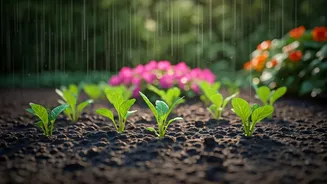
Heavy rains can wash away essential nutrients from the soil in your pots, a process known as leaching. However, it's best to avoid adding a lot of fertiliser during intense, continuous rain, as it can simply be washed away before the plant can absorb it. A better approach is to apply a light top dressing of vermicompost or well-rotted manure once there’s a break in the downpour. You can also protect the soil from eroding out of the pot by adding a layer of mulch, like coconut husk chips, but be careful not to place it too close to the plant's stem, as this can trap moisture and encourage rot.