



More Than Just Fasting
Across much of North and West India, Navratri is synonymous with fasting, or 'vrat'. This practice is rooted in the principles of a Sattvic diet, which aims to purify the body and mind. Foods considered 'tamasic' (dulling) like onion and garlic, or 'rajasic'
(stimulating) like heavy grains, are avoided. Instead, the focus shifts to ingredients that are light, calming, and provide clean energy, such as buckwheat (kuttu), water chestnut (singhara) flour, and tapioca pearls (sabudana). This dietary shift isn't just a religious rule; it's a practice tied to seasonal changes. The two major Navratris, Chaitra and Sharad, occur at the change of seasons when immunity is lower and digestion can be sluggish. The permitted foods are typically gluten-free, easy to digest, and align with what is seasonally harvested, preparing the body for the coming weather. Thus, the fast is as much about spiritual discipline as it is about seasonal wellness.
A Tale of Two Approaches: Fasting vs. Feasting
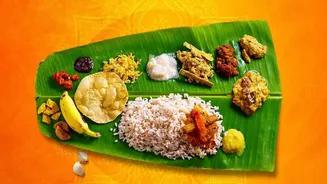
While many parts of India observe a strict fast, the story is entirely different in the East, particularly in West Bengal. Here, Navratri coincides with Durga Puja, a five-day-long celebration of Goddess Durga's homecoming. For Bengalis, this is a time for feasting, not fasting. Pandals and homes are filled with the aromas of festive dishes. While community offerings, or 'bhog', are often vegetarian—featuring staples like khichuri (a rice and lentil dish) and labra (mixed vegetables)—family meals frequently include fish and meat. This isn't seen as a contradiction but as a cultural expression of celebration and hospitality. This contrast highlights a fundamental truth about Navratri: the same festival is interpreted differently through the lens of regional culture, where one region's abstinence is another's indulgence.
Gujarat’s Sattvic Thali and Maharashtra's Energy Boost
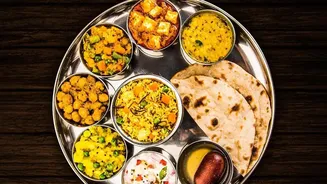
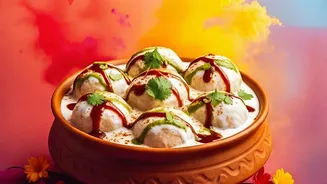
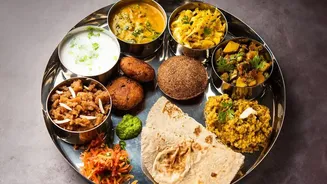
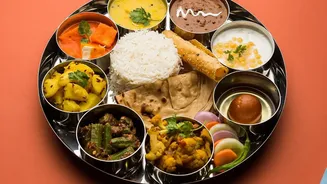
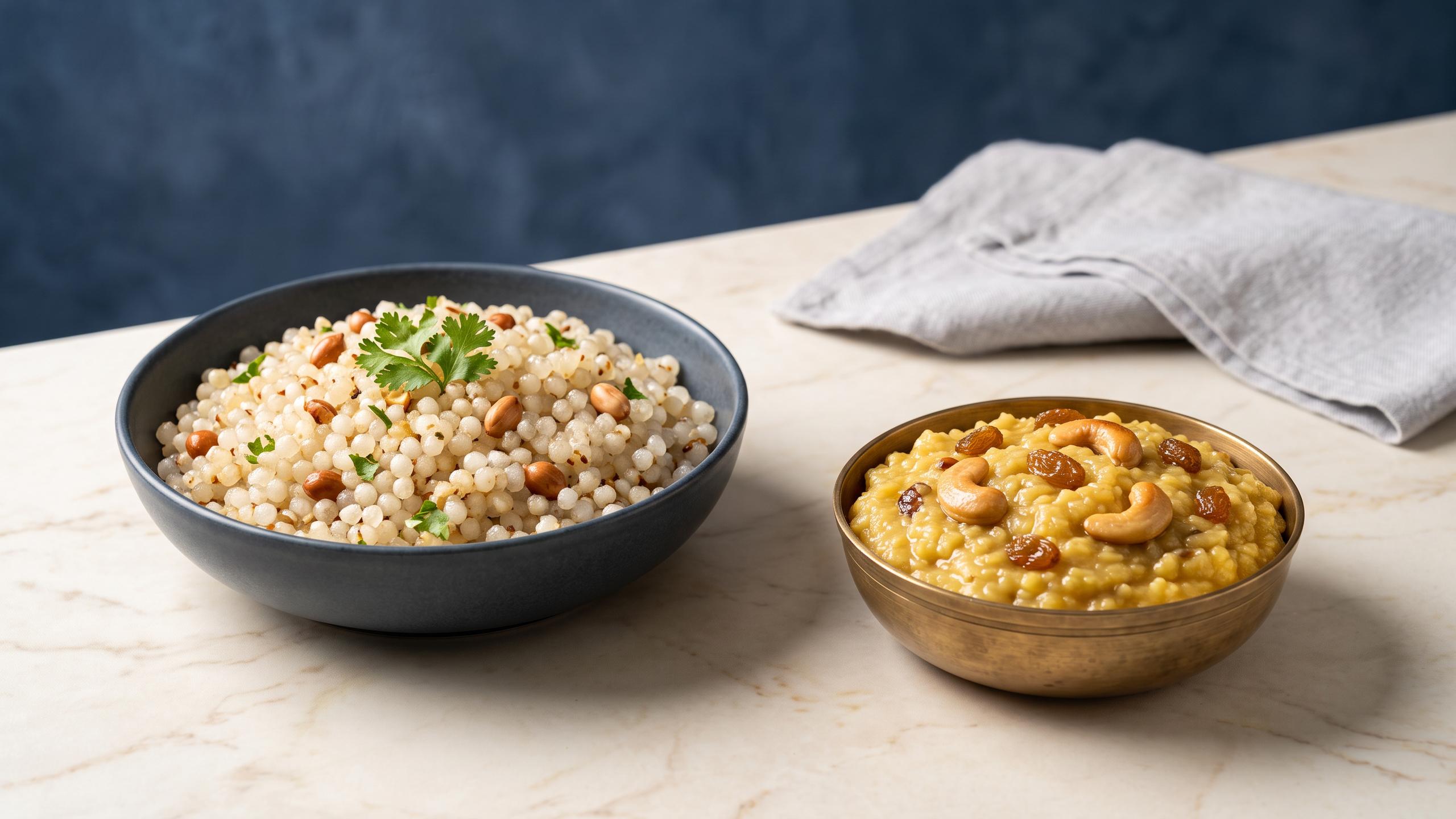
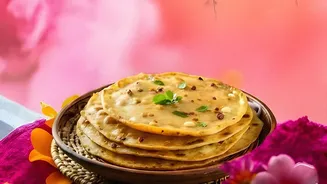
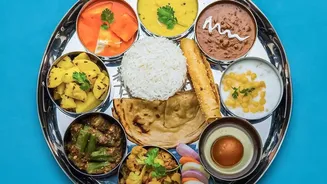
In Gujarat, the heartland of Garba and Dandiya Raas, the Navratri thali is a vibrant, strictly vegetarian affair. It features an array of 'farali' (fasting) dishes like rajgira puri, farali pattice, and dhokla. The food is designed to be nutritious and filling, providing energy for the energetic nights of dance. In neighbouring Maharashtra, sabudana is the star ingredient. Dishes like sabudana khichdi and sabudana vada are fasting staples, loved for their ability to provide a much-needed energy boost while adhering to the purity required for the vrat. These dishes, often seasoned with rock salt, peanuts, and mild spices, have become so popular that they are now a common sight in Navratri menus across the country.
The Social Fabric of South India’s 'Sundal'
In the South, especially Tamil Nadu, Navratri takes on a unique social and culinary dimension with the tradition of 'Golu'—an elaborate display of dolls. Friends and relatives visit each other's homes to see the displays, sing devotional songs, and share stories. The key culinary component of this tradition is 'sundal', a simple yet flavourful dish made from different boiled legumes, tempered with spices and garnished with coconut. A different type of sundal is prepared for each of the nine days, using everything from chickpeas to black-eyed peas. This offering is not only nutritious but also symbolic, representing sustenance and community bonding. Sharing sundal with guests is a cherished ritual that weaves the community closer together during the festival.