


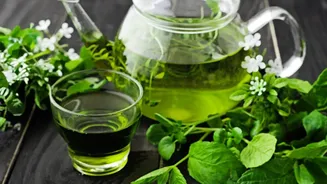
A Tradition Steeped in Nature
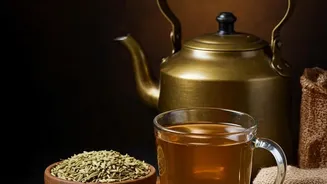
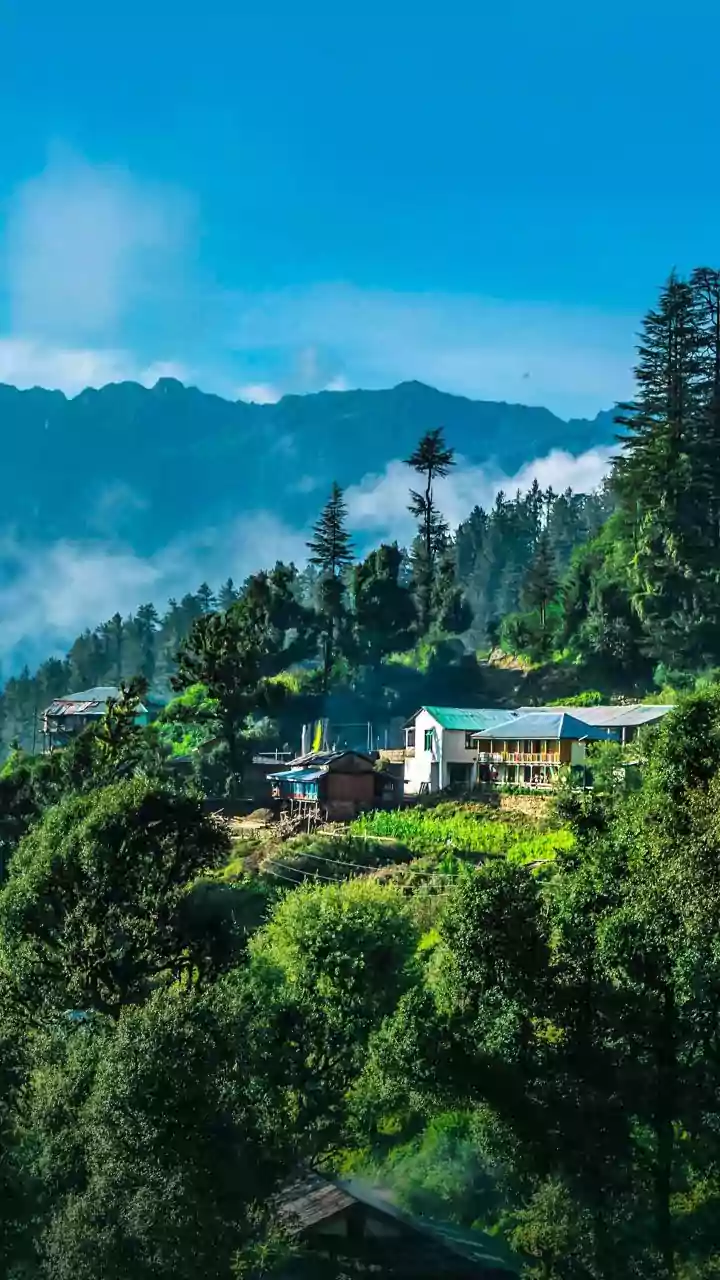
Long before commercially produced tea arrived, the indigenous communities of Sikkim, including the Lepcha and Bhutia people, were creating healing and invigorating drinks from the forest. These aren't just teas but decoctions—potent botanical brews made
by simmering parts of plants to extract their essence. This practice is deeply rooted in a profound understanding of the local ecosystem. For generations, knowledge of which root soothes a cough or which leaf brings warmth has been passed down, creating a living pharmacy in a cup. These decoctions are central to daily life, offered for wellness, warmth against the cold mountain air, and as a vital part of social and cultural rituals.
The Logic of Combining Roots and Leaves
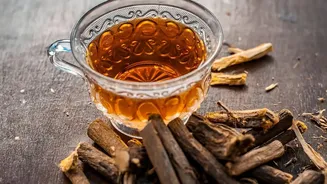
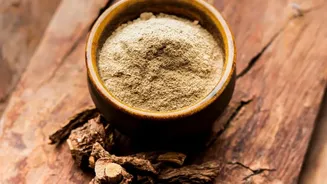
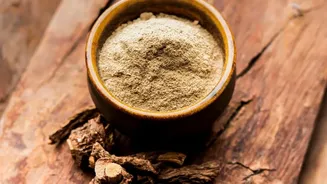
The magic of Sikkimese decoctions lies in the synergy between different parts of the plants. The combination of roots and leaves is not accidental; it’s a sophisticated system designed to balance flavour, aroma, and function. Roots—like ginger, turmeric, and the rare Himalayan Kutki—are typically hard and dense. Simmering them in a decoction unlocks their deep, earthy flavours and potent medicinal compounds that a simple infusion wouldn't extract. These roots often form the foundational 'body' of the drink, providing benefits for digestion, inflammation, and immunity. They ground the beverage, giving it a substantive and warming quality.
The Aromatic Soul of the Brew
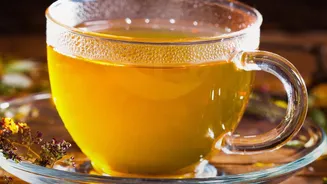
While roots provide the base, leaves and flowers provide the soul. Lighter botanicals like rhododendron petals, holy basil (tulsi), and wild nettle leaves are added to the mix. These elements contribute the aromatic top notes and a more delicate flavour profile. Unlike dense roots, leaves release their volatile oils and subtler compounds more easily. Combining them creates a multi-layered experience: the earthy depth from the root is lifted by the fragrant, often floral or spicy, character of the leaves. This method ensures the final brew is not only medicinally effective but also sensorially complex and enjoyable.
A Symphony of Wild Ingredients
Sikkim's status as a biodiversity hotspot and a fully organic state means the ingredients for these decoctions are exceptionally pure and diverse. Common additions include large cardamom for its smoky spice, which aids digestion, and Swertia chirata (Chirato), a bitter herb valued for its detoxifying properties. Aloe vera leaves might be used for their soothing qualities, while flowers from the rhododendron tree—Sikkim's state tree—are used to make a juice believed to help with digestion. Each ingredient is chosen not just for its individual properties but for how it interacts with others, creating a holistic blend where the whole is greater than the sum of its parts.
From Forest Forage to Warm Mug
The preparation itself is a ritual. Ingredients are often foraged from the surrounding forests according to the season. The hard roots and barks are typically crushed or chopped to increase their surface area before being added to cold water. This mixture is then brought to a slow simmer, allowing the constituents to be gently extracted over time. The more delicate leaves and flowers are often added towards the end of the brewing process to preserve their volatile oils and prevent them from becoming bitter. The resulting liquid is a concentrated, flavourful, and deeply nourishing beverage that captures the essence of the Himalayan wilderness.