








The Silent Epidemic in Our Cities
Beneath the surface of India's bustling urban growth, a quiet health crisis is unfolding. Non-communicable diseases (NCDs) like diabetes, hypertension, and heart disease are no longer just ailments of the affluent or elderly; they are rampant across all
demographics in cities. This epidemiological shift is driven by modern urban lifestyles: sedentary work, unhealthy diets, chronic stress, and high levels of pollution. Estimates suggest that NCDs are responsible for over 60% of all deaths in India, with urban areas bearing a disproportionately high burden. The reality is that our cities, the engines of our economy, are inadvertently making us sick. The very environment that promises opportunity is also creating significant health risks that can no longer be ignored.
From the Workplace to the Doctor's Office
The connection between urban living and poor health flows directly into the workplace, impacting everything from daily performance to the national economy. When employees are unwell, it isn't just about sick days. It's about 'presenteeism'—being physically at work but mentally checked out due to stress, fatigue, or chronic illness. This leads to lower productivity, reduced innovation, and higher error rates. Recognizing this, the Indian corporate wellness market is booming, projected to reach over USD 4 billion by 2034. However, many corporate wellness programs are reactive, offering gym memberships or basic health checks without addressing the root causes of burnout and stress. Effective workplace wellness is not just a perk; it's a strategic necessity for retaining talent and ensuring long-term productivity. Studies show a clear return on investment, with every rupee spent on wellness saving significantly more in reduced absenteeism and medical costs.
How City Design Shapes Our Health
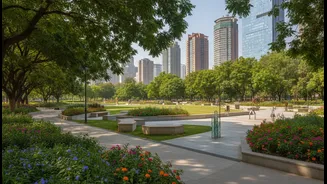
We often think of health as a personal choice, but it is heavily influenced by the environment around us. Urban planning—or the lack thereof—plays a monumental role in public health. Long commutes in heavy traffic increase stress and exposure to pollution. A scarcity of safe, accessible parks and green spaces discourages physical activity. Poorly planned neighbourhoods may lack access to fresh, healthy food but have an abundance of fast-food outlets. These are not individual failings but systemic problems baked into the design of many Indian cities. The health of a city's residents is a direct reflection of its planning priorities. When cities are designed for cars instead of people, and when real estate development overshadows the need for public green spaces, the collective health of the population suffers.
An Integrated Blueprint for a Healthier Future
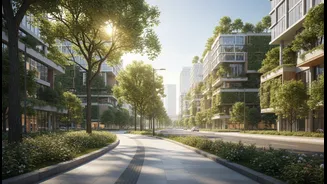
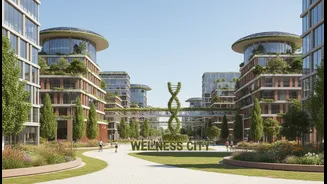
The solution lies in breaking down the silos between individual health, corporate policy, and urban planning. It requires a holistic approach where all three work in synergy. Imagine companies championing flexible work policies to cut down grueling commutes, thereby reducing stress and pollution. This must be matched by urban planners who prioritize the creation of '15-minute cities', where residents can access work, shopping, education, and recreation within a short walk or cycle. Initiatives like building dedicated cycling lanes, ensuring safe and well-lit pedestrian pathways, and integrating green spaces into residential and commercial zones can transform public health. This isn't a distant dream; cities like Pune and Bhubaneswar have already begun implementing walkability and cycling projects that foster community and physical activity. This integrated approach creates a virtuous cycle: healthier citizens are more productive employees, and liveable cities attract and retain top talent.