








Why Your Body Changes With the Rains
The monsoon, or 'Varsha Ritu' in Ayurveda, is a time of profound change, not just in the weather but within our own bodies. The increased humidity and reduced sunlight can weaken our digestive fire, or 'agni'. This means our ability to break down food
is naturally slower than in the scorching summer months. This sluggish digestion can lead to issues like bloating, indigestion, and general lethargy. Furthermore, the damp environment is a breeding ground for bacteria and viruses, making us more susceptible to water-borne and food-borne infections. This is why traditional Indian wisdom, passed down through generations, has always prescribed a specific dietary regimen for this season. It's not about restriction; it's a smart, intuitive response to what our bodies need to stay balanced and strong when the environment is challenging.
The Real Meaning of 'Fresh'
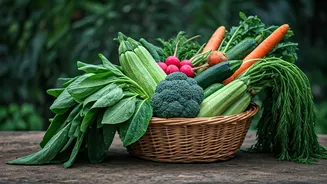
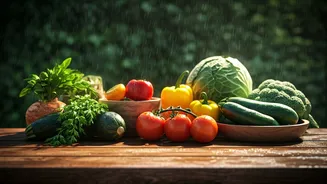
When we say 'freshness' in the context of monsoon eating, it's about more than just a recent harvest date. It's about eating what is seasonally and locally appropriate. This means favouring light, easily digestible foods. Think of vegetables like lauki (bottle gourd), turai (ridge gourd), parwal (pointed gourd), and karela (bitter gourd). These vegetables are hydrating, low in calories, and easy on the stomach. While leafy greens are nutritious, during the monsoon, they can harbour dirt and germs. The traditional approach isn't to avoid them entirely but to be extra cautious: wash them thoroughly, perhaps in warm salt water, and cook them well instead of eating them raw. Eating fresh also means preparing meals at home where you can control the quality of ingredients and hygiene, a crucial factor in preventing monsoon-related illnesses.
Fads vs. Time-Tested Fundamentals
The modern wellness world is full of fads, many of which are counterintuitive during the Indian monsoon. For instance, the trend of raw salads and cold-pressed juices, while healthy in other seasons, can be a disaster for a weakened monsoon digestive system. Cold and raw foods are much harder for the body to process and can further dampen the digestive fire, leading to bloating and discomfort. Similarly, chasing after exotic 'superfoods' that are imported and have travelled long distances might not be the best idea. The wisdom lies in our own kitchens. A simple, warm bowl of moong dal khichdi is a far more effective 'detox' meal during this season than a fancy kale smoothie. The focus should be on warm, cooked, and nourishing meals that comfort and strengthen the system from within.
Our Kitchen's Monsoon Superheroes
India's spice boxes are our greatest allies during the monsoon. These are not just for flavour; they are potent medicinal aids that align perfectly with the season's needs. Ginger, with its anti-inflammatory properties, is excellent for soothing the throat and aiding digestion. Turmeric is a well-known immunity booster. A pinch of black pepper helps the body absorb nutrients more effectively and clears congestion. Asafoetida (hing) and carom seeds (ajwain) are brilliant for preventing gas and bloating. Incorporating these spices into your daily cooking—in dals, sabzis, and even your tea—is a simple yet powerful way to fortify your body against monsoon ailments. A simple 'kadha' made with some of these spices can be a comforting and protective daily ritual.
Indulge, But Do It Smartly
Let's be realistic: a monsoon without bhajiyas or samosas feels incomplete. The goal isn't to deny yourself these simple pleasures but to enjoy them intelligently. The problem often isn't the snack itself, but the way it's prepared, especially when bought from outside vendors using old oil. Making your favourite fried snacks at home gives you complete control. You can use fresh oil, ensure the batter is made with clean water, and even add digestive spices like ajwain to the mix. Eating them hot and fresh, in moderation, allows you to partake in the joy of the season without overburdening your digestive system. It’s about finding a happy, healthy balance between craving and caution.