









The Rise of the Micro-Cation
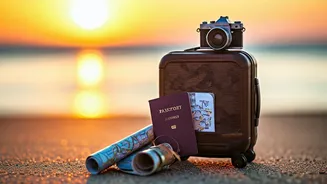
The era of the grand, two-week vacation seems to be fading for many young couples. In its place, a new travel trend is booming: the 'micro-cation.' [2] Typically lasting between two and four days, these short getaways allow for quick escapes that fit
into busy schedules without the logistical and financial weight of a long holiday. [6, 1] Travel experts have noted a significant rise in these brief trips, which combine low-impact planning with the simple pleasure of a change of scenery. [1] This shift isn't just about taking less time off; it's a fundamental change in travel philosophy, moving from a single annual trip to multiple, smaller moments of escape that feel more manageable and restorative. [4]
The Financial Reality Check
A major driver of this trend is simple economics. With the costs of airfare, lodging, and dining on the rise, the traditional extended holiday has become a significant financial burden for many. [18, 25] A recent survey highlighted that nearly 78% of people said rising travel costs have changed their vacation habits. [25] Shorter trips are inherently more affordable. [9, 15] By opting for a three- or four-day getaway, couples can significantly cut down on expenses for lodging and food, which often constitute the largest parts of a travel budget. [9] This allows them to spread their travel budget across several smaller trips throughout the year, prioritizing a variety of experiences over one single, costly event. [5, 23]
The Modern Work-Life Juggle
Today's demanding work culture also plays a crucial role. For many young professionals, fully disconnecting for one or two weeks is a daunting prospect. The fear of returning to an overwhelming backlog of emails and tasks is a powerful deterrent. [3] Short getaways are a practical solution. [11] A long weekend trip often means missing minimal, if any, work, allowing couples to recharge without the stress of falling behind. [3, 13] These frequent, shorter breaks can be more effective at preventing burnout and improving mental health than a single, long vacation, providing a necessary reset without disrupting professional responsibilities. [7, 9, 10]
A Hunger for More Experiences
Beyond finances and work, there's a psychological shift at play. Younger generations, including Gen Z and millennials, increasingly prioritize authentic experiences and personal well-being over simply checking off tourist attractions. [2, 17] Instead of one long trip, many prefer the variety of multiple getaways, allowing them to explore different cultures, cuisines, and landscapes throughout the year. [2, 6] These trips often have a specific theme, such as a foodie tour, a wellness retreat, or attending a major cultural event. [1, 14] This approach focuses on the quality of experiences rather than the quantity of days, creating opportunities for deeper engagement with a single location. [6]
What Do These Getaways Look Like?
Micro-cations are as diverse as the couples taking them. They can range from exploring a nearby city and its museums to a weekend spent hiking in a national park. [1, 2] Many involve short-haul flights to destinations ideal for a long weekend, like the Balearics or Croatia for European travelers. [5] For others, it's a wellness-focused stay at a spa, a cabin retreat, or even a short 2- or 3-night cruise. [1, 12] The key is maximizing the time available, often by taking early morning or late-night flights and choosing destinations where attractions are easily accessible. [1] It’s a travel style built for a generation that values spontaneity, affordability, and constant motion. [19]