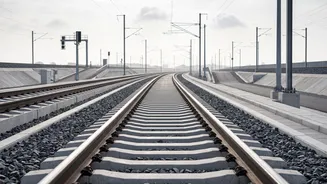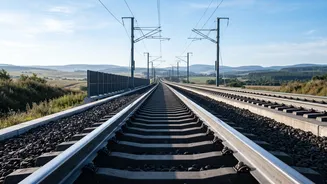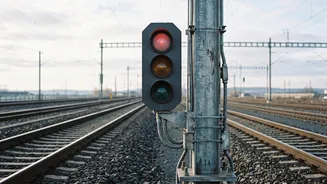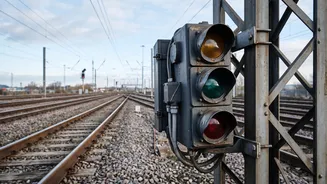




A deadly high-speed train collision in Spain on October 28, 2026, has sent shockwaves through the global rail community, inevitably turning the focus towards India's ambitious bullet train project and its operational safety preparedness.
Tragedy on the Madrid-Seville Line
On October 28,
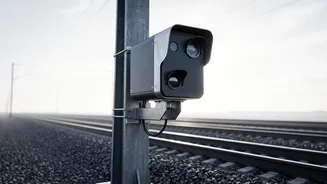
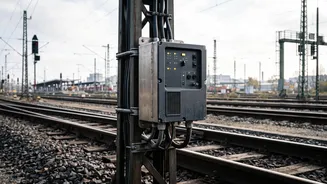
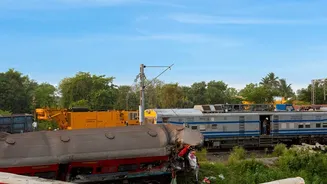
2026, near Toledo, Spain, a high-speed train operated by state-owned Renfe crashed into a stationary train run by private company Iryo. The collision, which occurred on the Madrid-Seville line, resulted in 69 fatalities and over 100 injuries. According to preliminary information from government sources, the incident was precipitated by a failure in the automatic signalling system along a 63-kilometre stretch of track. This technical failure prompted a manual takeover of train management, during which a control centre decision allowed the Renfe train to proceed despite the stationary Iryo train ahead, leading to the catastrophic rear-end collision. The crash was the second major high-speed rail disaster in Spain in 2026, following another fatal accident in January on the same line that killed 46 people. The incident has since led to the resignation of Spain's Transport Minister and sparked intense debate about the safety of the country's extensive high-speed network.
A Cautionary Tale for India
While geographically distant, the Spanish tragedy serves as a critical, real-world case study for India, which is in the process of building its first high-speed corridor between Mumbai and Ahmedabad. Any major accident involving high-speed technology prompts a global review of safety protocols, and the events in Spain are no exception. The crash highlights that even mature networks, like Spain's, which has been operational for over three decades, are vulnerable to a combination of technical failure and human error. For India, a nation on the cusp of entering the elite club of high-speed rail operators, the incident underscores the immense responsibility of ensuring that both technological systems and human-led operational procedures are rigorously tested and fail-safe.
Different Systems, Different Safeguards
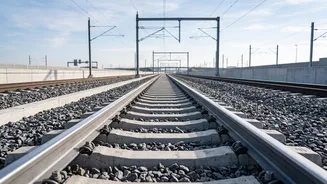
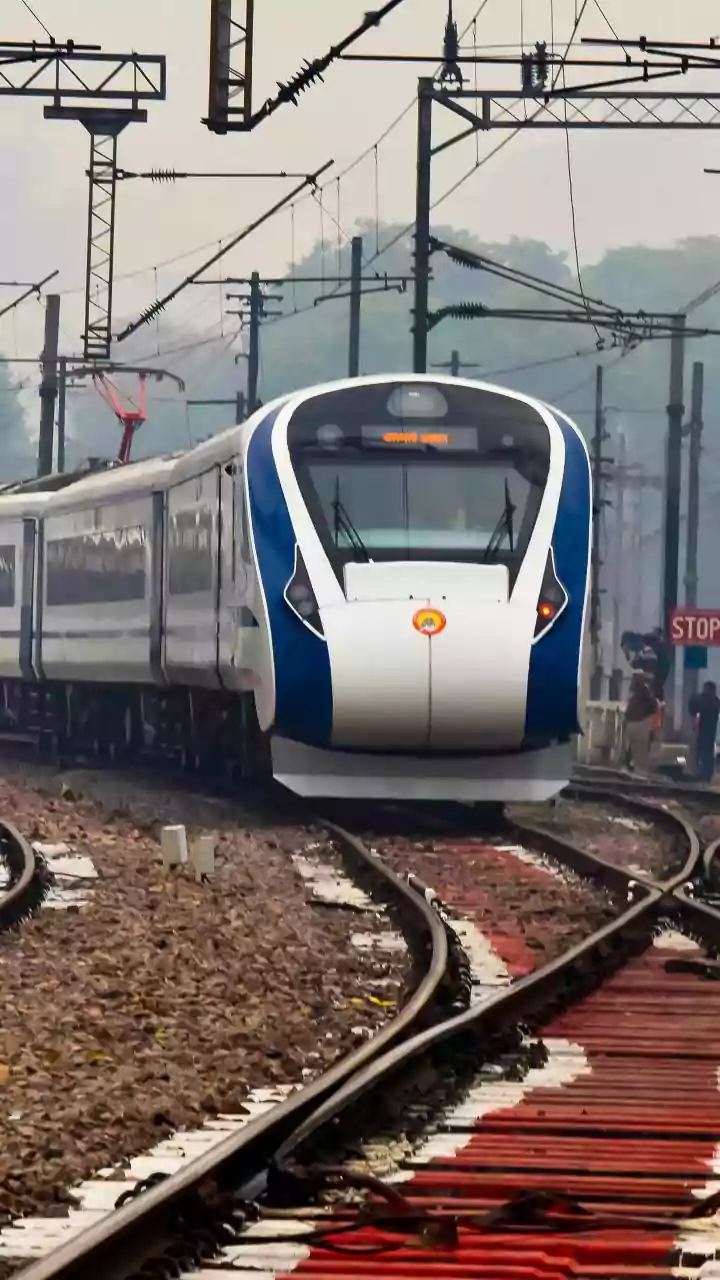
It is crucial to note that India's bullet train will not use the same technology as Spain's network. The Mumbai-Ahmedabad corridor is being built with Japan's Shinkansen E5 series technology. The Shinkansen system is globally renowned for its unparalleled safety record, boasting zero passenger fatalities from derailments or collisions in over 50 years of operation. A key feature of the Shinkansen model is its integrated and closed-loop nature. The trains run on dedicated tracks with no level crossings, completely separate from conventional rail traffic. This design philosophy inherently eliminates many of the risks present in mixed-traffic systems. Furthermore, the Shinkansen system employs a sophisticated automatic train control (ATC) system and an early earthquake detection system that automatically triggers emergency brakes, features that are being replicated for the Indian project.
Beyond Technology: The Human Factor
The Toledo crash investigation points towards a sequence where a system failure was compounded by a human decision. This puts a spotlight on the importance of robust standard operating procedures, intensive staff training, and a strong safety culture—elements that are universal, regardless of the technology used. Rail unions in Spain had reportedly raised concerns about increased traffic and pressure on the system following the opening of lines to private operators. This serves as a vital lesson for India. As the high_speed network is built, ensuring that maintenance schedules, staff training, and control room protocols are of the highest international standards will be just as important as the advanced Japanese technology itself. Japan's partnership in the Indian project extends to advising on these operational aspects, drawing from decades of experience in maintaining its flawless safety record.