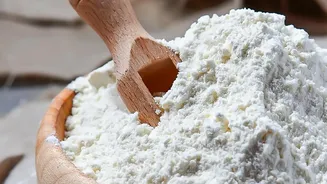




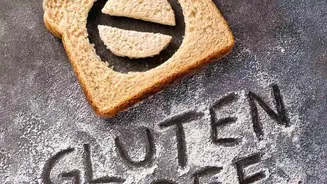
Often overlooked, arrowroot flour is a gluten-free powerhouse hiding in plain sight. This versatile starch, extracted from a tropical plant, has a neutral flavour and impressive thickening power, making it a perfect secret weapon for any pantry.
1. Silky, Lump-Free Gravy
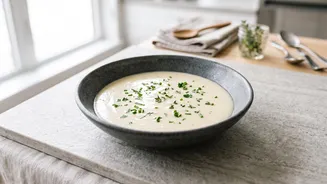
Say goodbye
to clumpy, floury gravy forever. Arrowroot is a game-changer for sauces and gravies because it thickens at a lower temperature than cornstarch and creates a beautifully clear, glossy finish. Unlike wheat flour, it has no real taste, so the flavour of your rich pan drippings or vegetable stock can shine through without being muted. To use it, simply make a 'slurry' by mixing one tablespoon of arrowroot powder with a few tablespoons of cold water until smooth. Towards the end of cooking, whisk this slurry into your simmering liquid and watch it thicken almost instantly into a flawless, smooth gravy. This method works for everything from a holiday turkey gravy to a simple weeknight mushroom sauce.
2. Classic, Creamy Vanilla Pudding
For a truly comforting dessert, arrowroot is the key to an exceptionally smooth and creamy pudding. Its fine texture helps create a delicate set that is never rubbery or overly firm. Because arrowroot starch thickens without needing to be boiled for long, the process is quick and nearly foolproof. Simply whisk arrowroot flour with sugar and cold milk or a dairy-free alternative until combined, then gently heat while stirring continuously. As the mixture warms, it will transform into a thick, luxurious pudding. Remove from the heat, stir in vanilla, and let it cool. The result is a simple, elegant dessert with a professional-grade texture that is hard to achieve with other thickeners.
3. Crisp and Chewy Cookies
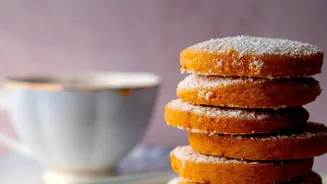
In the world of gluten-free baking, achieving the right texture can be a challenge. Arrowroot flour is a fantastic addition to cookie recipes because it helps create a desirable crispness on the outside while maintaining a tender, chewy interior. While it can be used on its own, it often shines when blended with other gluten-free flours like almond or coconut flour. Its ability to bind ingredients and retain moisture prevents cookies from becoming overly dry or crumbly. Many recipes for traditional 'uraro' or arrowroot cookies from the Philippines showcase the flour's ability to create a delicate, melt-in-your-mouth texture.
4. Savoury Seed Crackers
Arrowroot's binding properties make it an essential ingredient for creating sturdy, crispy, gluten-free crackers. It excels in recipes for savoury seed crackers, where it helps hold together a mixture of seeds like sesame, flax, and pumpkin. When mixed with seeds and hot water, the arrowroot powder becomes gelatinous, creating a cohesive 'dough' that can be spread thinly and baked. The result is a light, crunchy cracker that is both nutritious and flavourful, perfect for pairing with cheese or dips. Its neutral taste allows the nutty flavour of the seeds to be the star.
5. Light and Fluffy Pancakes
Start your morning with a stack of incredibly light and fluffy pancakes, thanks to arrowroot flour. As a gluten-free alternative, it can produce a surprisingly airy texture that isn't dense or heavy. In many recipes, arrowroot flour is combined with a liquid like almond milk, a leavening agent like baking powder, and a pinch of salt. The batter comes together quickly and cooks into golden-brown pancakes that are perfect for soaking up maple syrup. It’s an easy and delicious way to enjoy a classic breakfast, especially for those with gluten sensitivities.