




An Ambitious Bowl
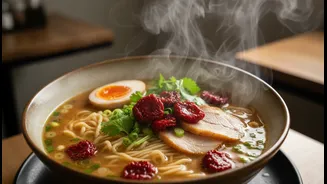
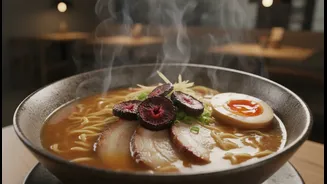
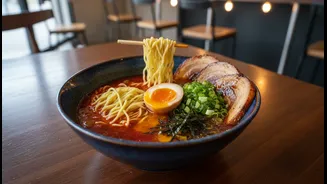
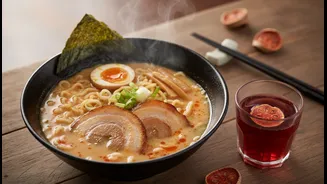
Picture this: a steaming bowl of ramen, its rich, hearty broth carrying the familiar comfort of Japanese soul food. But as you take your first spoonful, a different kind of sourness hits your palate—not the sharp tang of rice vinegar, but a deeper, fruitier
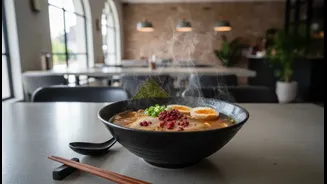
note that tastes distinctly of the Indian coastline. This is the promise of the kokum ramen, a dish appearing in creatively ambitious kitchens like the archetypal 'Kokum's Modern Cafe.' The idea is compelling: to infuse a Japanese staple with a beloved ingredient from Konkan and Malvani cuisine. The presentation is modern, the ingredients are premium, and the intent is clear—to bridge two culinary worlds in a single, Instagrammable bowl. It’s a dish that represents a wider trend in Indian dining, where fusion isn't just about mixing spices but about deconstructing and reassembling foundational flavour concepts. But in its effort to be innovative, it raises a crucial question about whether all flavour profiles can be so easily translated.
The Soul of Coastal Acidity
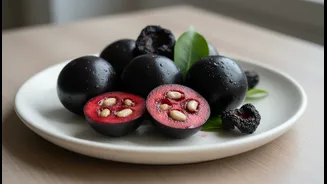
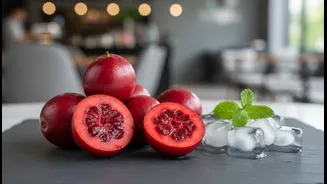
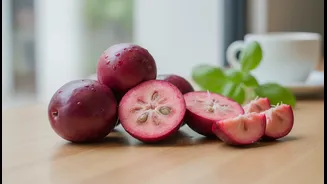
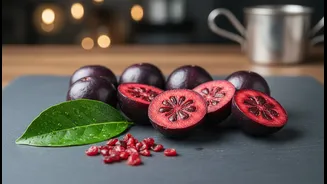
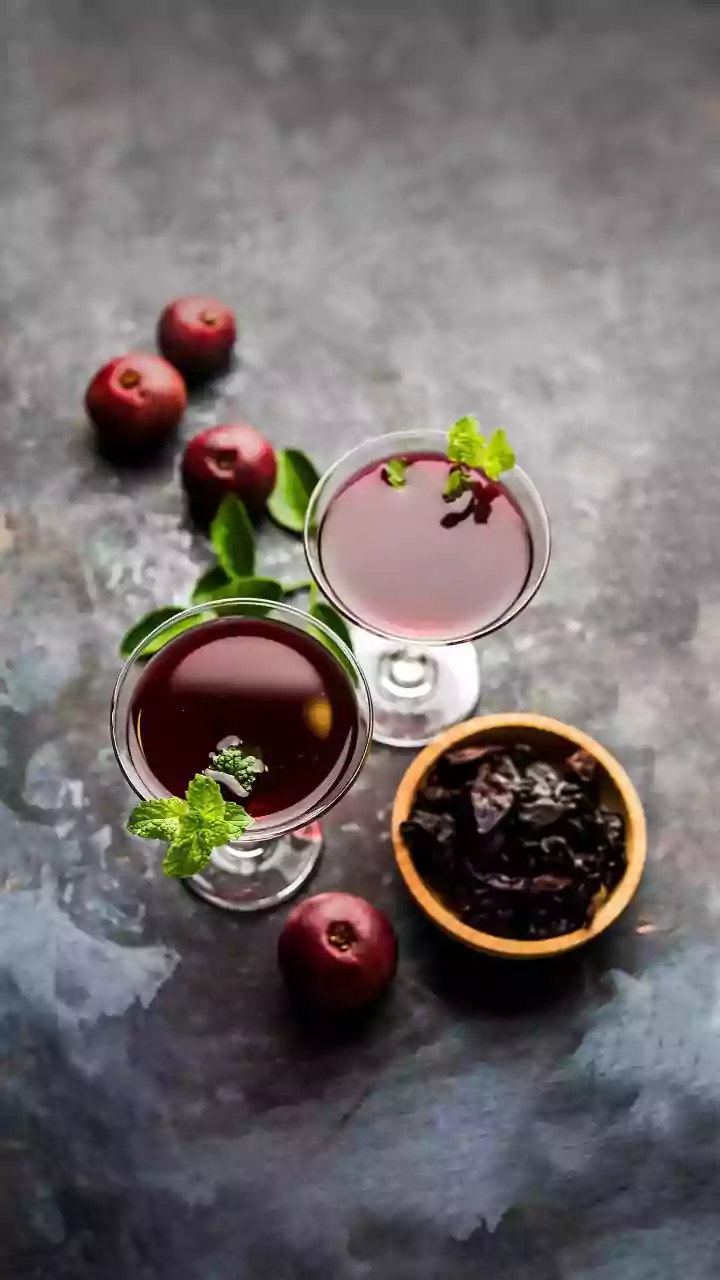
To understand the challenge, one must first appreciate kokum. Known scientifically as Garcinia indica, this small, reddish-purple fruit is the heart of 'aamti' and 'sol kadhi' for a reason. Its sourness, derived primarily from hydroxycitric acid, is unique. Unlike the sharp, aggressive tang of vinegar or the bright zest of lime, kokum offers a mellow, slightly sweet, and deeply resonant sourness that blooms on the palate. In coastal cuisines, it's used to balance the richness of coconut milk, cut through the oiliness of fried fish, or provide a cooling, digestive counterpoint to spicy meals. This acidity is functional, designed to work in harmony with the light, fresh, and often spicy elements of Konkan cooking. It’s an acid that soothes and balances rather than just sharpens.
The Role of Acidity in Ramen
In the world of ramen, acidity plays a different, though equally critical, role. The soul of a ramen bowl is its broth, which is a complex marriage of dashi (a base stock), koumi abura (aromatic oil), and tare. The tare is the concentrated seasoning sauce that dictates the ramen's final character—be it shio (salt), shoyu (soy sauce), or miso. It's within the tare that acidity often makes its appearance, usually through ingredients like rice vinegar or mirin. This acidity serves a specific purpose: to cut through the heavy, often fatty, and deeply savoury umami of broths like tonkotsu (pork bone) or rich miso. It provides a high-contrast 'kick' that brightens the entire bowl, preventing the richness from becoming overwhelming and keeping each bite interesting. It is a sharp, precise tool for flavour balancing.
The Fusion Disconnect
Here lies the fundamental challenge that a simple kokum makeover cannot easily solve. Substituting kokum for traditional ramen acids isn't a like-for-like swap; it's a clash of culinary philosophies. Kokum's gentle, blooming sourness is designed for the relatively delicate broths of coastal curries. When introduced to a robust, umami-laden, and fat-rich ramen broth, its nuanced flavour profile risks being completely overpowered. The deep, savoury notes from kombu, miso, or long-simmered pork bones can flatten kokum's subtle complexity, reducing it to a generic sour note without its characteristic floral, fruity depth. While the dish might still be tasty, it fails to 'prove' that coastal acidity can function in the same way as traditional ramen tare. It’s an attempt to use a watercolour brush for a task that requires a sharp chisel. The context for which the acid was designed is completely different, and the result, while interesting, can feel functionally disjointed.
Beyond Proof: The Beauty of the Experiment
However, to judge the kokum ramen solely on its inability to perfectly replicate the function of traditional tare is to miss the point of modern fusion cuisine. The goal of ventures like 'Kokum's Modern Cafe' isn't necessarily to prove a culinary thesis but to start a conversation. These dishes are playful 'what-ifs' that push boundaries and create entirely new flavour experiences. A kokum-infused ramen may not offer the perfect acidic balance of a classic shoyu bowl, but it might offer something else: a novel, exciting taste that is neither purely Indian nor purely Japanese, but something entirely its own. It's a testament to culinary curiosity, reflecting a globalised food culture where chefs are no longer bound by rigid tradition. The success of such a dish isn't measured by its authenticity to either cuisine, but by its ability to create a delicious, memorable, and thought-provoking experience for the diner.