





Getting to Know Your Dragon
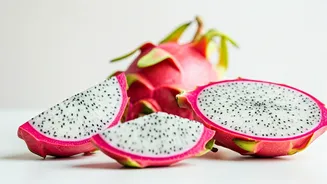
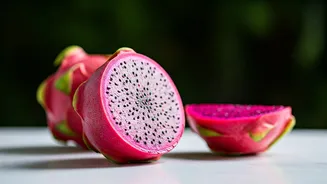
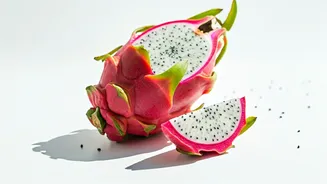
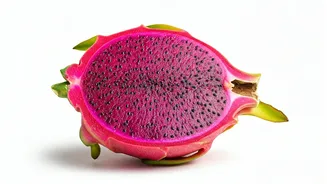
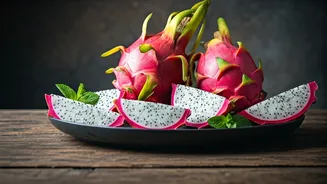
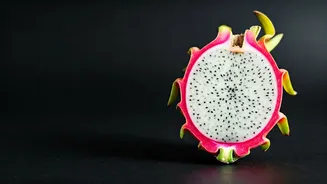
Before you start cooking, it helps to understand what you're working with. Dragon fruit, or pitaya, is the fruit of a cactus, and its flavour can be surprisingly mild. There are three main types you'll encounter. The most common has pink skin with white
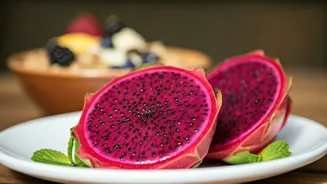
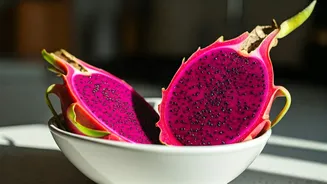
flesh, which offers a subtle, slightly sweet taste reminiscent of a pear or kiwi. The red-fleshed variety, also with pink skin, is often sweeter and more flavourful. Then there's the yellow-skinned type with white flesh, which is generally the sweetest of all. Regardless of the colour, the tiny black seeds are edible and provide a pleasant, crunchy texture. Nutritionally, it's a winner—low in calories but rich in fibre, vitamin C, and antioxidants that help fight inflammation.
Sensational Savoury Swaps
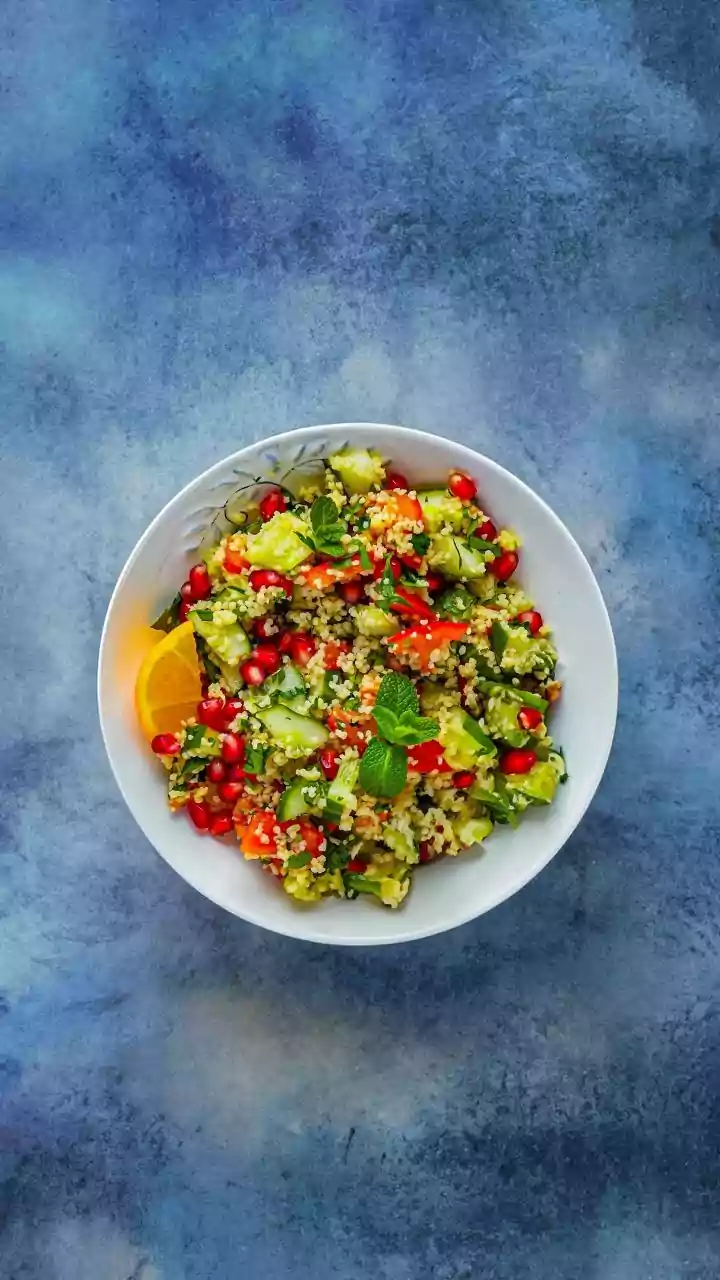
The mild sweetness of dragon fruit makes it a surprisingly good fit for savoury dishes. Its firm texture holds up well in salads, adding a pop of colour and a juicy bite. Try dicing it into a fresh salad with cucumber, bell peppers, and a zesty lime dressing. It also makes for a fantastic salsa; combine chopped dragon fruit with red onion, cilantro, a hint of jalapeño, and lime juice for a vibrant topping for grilled fish or chicken. For a truly creative appetiser, consider making dragon fruit and goat cheese crostini, where the fruit's subtle sweetness balances the tangy cheese. Some adventurous cooks even add it to stir-fries with tofu or shrimp towards the end of cooking for a sweet and savoury twist.
Next-Level Desserts
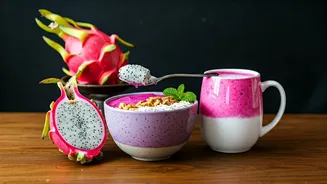
Moving beyond a simple fruit salad, dragon fruit’s vibrant colour and gentle flavour can elevate your dessert game. Its texture is perfect for making a refreshing sorbet, simply by blending the frozen fruit with a touch of lime and a sweetener if needed. Because of its high water content, it's also excellent for creating light and delicate jellies or panna cotta. For a show-stopping dessert, consider a no-bake dragon fruit cheesecake, where the brilliant magenta of the red-fleshed variety can create a naturally stunning visual without any artificial colouring. Even simple jam tarts can get a healthy, exotic makeover using a quick, no-cook dragon fruit jam.
Creative Cocktails and Mocktails
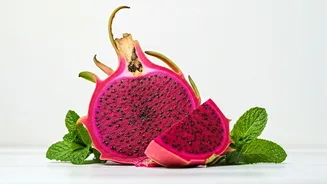
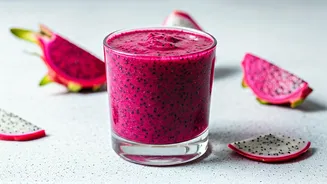
That beautiful hue is practically begging to be made into a drink. Muddle fresh dragon fruit with mint and lime for a dazzling twist on a classic mojito. Its flavour pairs wonderfully with the botanical notes of gin, the clean taste of vodka, or the earthy tones of tequila in a margarita. A Dragon Fruit Paloma, mixing the fruit with grapefruit juice and tequila, is both beautiful and refreshing. For a non-alcoholic option that still feels special, blend dragon fruit with coconut water and a splash of lime juice, topping it off with sparkling water for a festive fizz.
A Practical Guide to Prepping
Intimidated by that spiky exterior? Don't be. Preparing a dragon fruit is simple. First, choose a ripe one by looking for vibrant, even-coloured skin that gives slightly when pressed gently. To prepare, simply wash the fruit, place it on a cutting board, and slice it in half lengthwise. From here, you have two easy options. You can use a large spoon to scoop the flesh out from the skin, similar to an avocado. Alternatively, you can cut each half into wedges and simply peel the leathery skin away from the flesh with your fingers—it separates easily. Then, you can cube, slice, or use a melon baller to create perfect spheres for garnishes.