


Why Grow Coriander Without Soil?
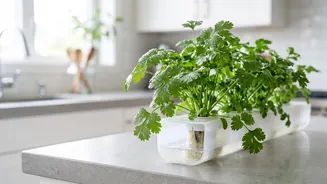
Growing coriander hydroponically—that is, in nutrient-rich water instead of soil—offers several key advantages perfect for the modern home. Plants often grow faster because nutrients are delivered directly to the roots. This method also eliminates soil-borne
pests and diseases, meaning your herbs are healthier and you can avoid using chemical pesticides. Perhaps most importantly for city dwellers, hydroponic systems are incredibly space-efficient and can be set up on a balcony, a kitchen counter, or any small indoor space. They also use significantly less water than traditional soil gardening, as the water is recirculated within the system.
Understanding Hydroponics: The Basics
Hydroponics might sound futuristic, but the concept is simple: grow plants by providing all their necessary nutrients through water. Instead of roots searching through soil, they are suspended in or periodically exposed to a water-based mineral solution. This controlled environment ensures the plant gets exactly what it needs to thrive. For leafy herbs like coriander, this results in robust growth and a consistent harvest. The two most common methods for home growers are the Deep Water Culture (DWC) and the Nutrient-Film Technique (NFT).
Method 1: Deep Water Culture (DWC)
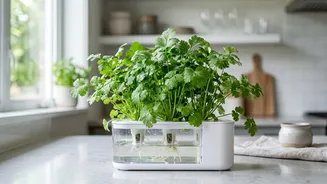
Deep Water Culture is often considered the most straightforward method for beginners. In a DWC system, the plant's roots are suspended in a reservoir filled with an oxygenated, nutrient-rich solution. An air pump with an air stone—similar to what you'd find in a fish tank—bubbles oxygen into the water to keep the roots healthy and prevent them from drowning. The plants are typically held in net pots, which are placed in holes on the lid of the reservoir. This system is forgiving, relatively inexpensive to set up, and works wonderfully for leafy greens and herbs like coriander.
Method 2: Nutrient-Film Technique (NFT)
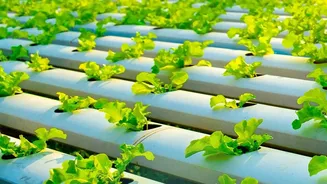
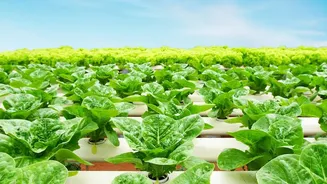
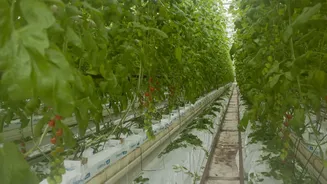
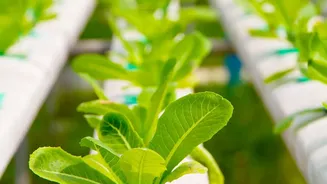
The Nutrient-Film Technique is a more active system that is highly efficient. In an NFT setup, plants are placed in channels, and a thin film of nutrient solution constantly flows along the bottom, washing over the tips of the roots. This continuous flow ensures the roots receive a steady supply of water and nutrients while also getting plenty of oxygen from the air around them. NFT systems are very water-efficient and can be scaled for larger productions, but they require a reliable water pump, as any interruption in flow can quickly harm the plants. This method is ideal for lightweight, fast-growing herbs like coriander.
Getting Your System Ready
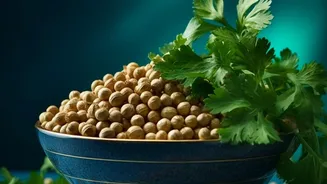
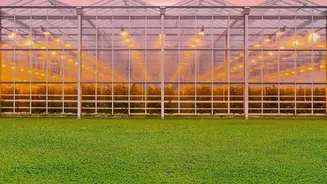
To start your soil-free coriander garden, you'll need a few key items. First, germinate your coriander seeds in a starting medium like rockwool cubes or coco peat until they sprout and develop their first true leaves. You'll also need a pre-mixed hydroponic nutrient solution, which contains all the essential macro and micronutrients. It's crucial to monitor the pH of your water, aiming for a range between 5.5 and 6.5 for optimal nutrient absorption. Coriander also needs about 12–16 hours of light per day, so if you're growing indoors without much natural sunlight, you will need to use LED grow lights.