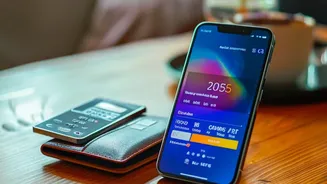








From Awkward Chats to Simple Taps
Living with roommates is a common rite of passage for young professionals and students across India. While it saves money, it introduces a complex financial web. Who paid for the gas cylinder? How do you split the electricity bill when one person uses
the AC more? These small questions can lead to big arguments. Traditionally, these were resolved through awkward WhatsApp messages, forgotten IOUs, or a messy Google Sheet that no one updated. The core problem isn't just about money; it’s about the stress and potential resentment that comes from a lack of transparency. Financial disagreements are a common source of conflict between flatmates, touching on everything from rent punctuality to shared grocery costs. This is where technology offers a modern solution, moving the tracking from memory and messages to a dedicated, neutral platform.
The Rise of the Digital Ledger
Split-bill applications have become essential tools for shared living. These apps function as a transparent, shared ledger where any roommate can log an expense, and the app does the math. The most popular app in this space is Splitwise, which allows users to create groups, log expenses in multiple currencies, and see a running balance of who owes whom. Its simplicity in handling both equal and unequal splits makes it a go-to for everything from monthly rent to a one-off food order. For Indian users, the integration with UPI has become a crucial factor. Google Pay, for instance, has a built-in feature to split bills directly within a group chat and settle payments instantly between bank accounts, which many users find convenient for its simplicity and the fact that it doesn't require installing another app.
Choosing Your Tool: Popular Apps in India
While Splitwise and Google Pay are dominant, several other apps cater to the specific needs of Indian households. Apps like Splitkaro advertise themselves as a 'Made in India' alternative, sometimes offering features like automatically fetching bill details from food delivery apps. Others, such as Ghar Kharcha, are designed specifically for the Indian family and household context, allowing users to track expenses for domestic help, milk delivery, and other local services. When choosing an app, the most important factor is universal adoption within the flat. An app is only useful if everyone uses it consistently. Key features to look for include ease of use, options for unequal splitting (for when one roommate has a bigger room), and clear settlement reports.
Beyond Rent and Utilities
The true test of these apps comes with managing the dozens of small, variable expenses. The monthly grocery bill is a classic source of tension. One flatmate's personal protein powder shouldn't be split three ways. Good practice involves logging shared items and personal items as separate expenses. The same goes for the electricity bill, which can fluctuate wildly, or the salary for a cook or cleaner. The best apps allow users to attach a photo of the bill, providing complete transparency and preventing arguments over the amount. These platforms can also track recurring payments like WiFi or streaming subscriptions, sending reminders and ensuring no single person is left shouldering the burden of chasing payments.
Technology is a Tool, Not a Solution
While these apps provide a powerful way to maintain transparency, they work best when paired with clear communication. Before even moving in, roommates should have a conversation about financial expectations. Agree on how major costs like rent and the security deposit will be handled. Decide which expenses will be shared (groceries, cleaning supplies) and which will be personal (individual food habits, toiletries). Will rent be split equally, or will the person with the master bedroom pay a larger share? An app can track these agreements, but it can't create them. Setting these ground rules from the start prevents misunderstandings from turning into major conflicts, allowing the technology to function as an impartial referee rather than a tool for arguments.