



The Foundation: Whole Spices in Hot Ghee
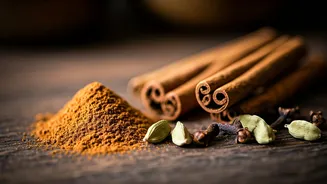
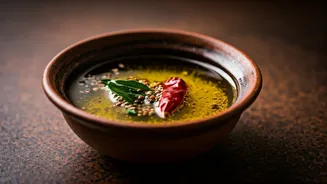
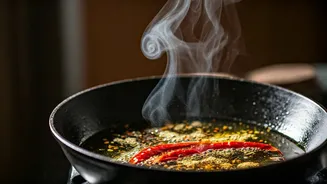
The first step to an unforgettable pulao is creating an aromatic base. This is done by blooming whole spices in hot ghee or oil, a technique known as 'tadka' or tempering. This process extracts the fat-soluble essential oils from the spices, infusing
the entire dish from the very beginning. The key players here are what we can call the ‘aromatic quartet’: tej patta (bay leaf), dalchini (cinnamon), laung (cloves), and elaichi (cardamom). Bay leaves offer a subtle, almost herbal background note. Cinnamon sticks lend a sweet, woody warmth that is comforting and complex. Cloves provide a pungent, slightly astringent punch that cuts through the richness, while green or black cardamom pods release a heady, floral fragrance. Sizzling these together until they release their scent is non-negotiable; it’s the foundational layer upon which all other flavours are built.
The Earthy Heartbeat: Cumin and Friends
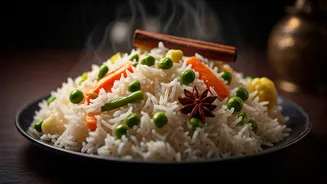
Once the initial aromatics have scented the oil, it’s time for the earthy spices. Chief among them is jeera, or cumin seeds. When toasted, cumin develops a nutty, earthy profile that grounds the entire dish. It’s the flavour that makes pulao taste like, well, pulao. Some recipes also call for shahi jeera (caraway seeds), a cousin of cumin with a finer, sweeter, and more delicate flavour. While regular cumin provides a robust base, shahi jeera adds a touch of royal refinement. Often, a star anise (chakra phool) is also added at this stage. With its distinct licorice-like flavour, it adds a layer of sweet complexity that pairs beautifully with the other warm spices. You only need one, as its flavour is potent and can easily dominate if overused.
Colour and Gentle Heat: Turmeric and Chilli
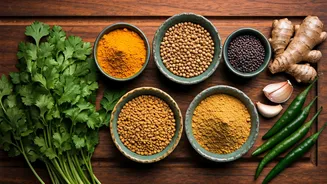
While whole spices provide the aromatic soul, powdered spices bring colour and a gentle hum of heat. A small amount of haldi (turmeric powder) gives the rice a beautiful, golden-yellow hue that is visually appealing. Beyond colour, turmeric has an earthy, slightly bitter flavour that adds depth, but it should be used sparingly to avoid a medicinal taste. Red chilli powder, on the other hand, is purely for heat. For a classic pulao, the goal is not fiery spice but a gentle warmth that tickles the back of your throat. A mild Kashmiri red chilli powder is an excellent choice, as it imparts a vibrant red colour with minimal heat, allowing the aromatic spices to remain the stars of the show. Both these powders should be sautéed for just a few seconds before adding liquids to cook off their raw taste.
The Finishing Flourish: Garam Masala
This is perhaps the most misunderstood step. Many people add garam masala too early in the cooking process. Garam masala, which translates to ‘warm spice mix,’ is a blend of highly aromatic, ground spices like cardamom, cinnamon, cloves, black pepper, and nutmeg. These aromas are created by volatile compounds that evaporate quickly when heated. To preserve their full, heady fragrance, garam masala should be sprinkled over the pulao towards the very end of the cooking process or even after turning off the heat. Adding it at the start means much of its complex scent will be lost by the time you serve. Think of it as a perfume for your pulao—a final, fragrant flourish that ties everything together and hits your senses the moment you lift the lid.
Beyond the Basics: Texture and Tang
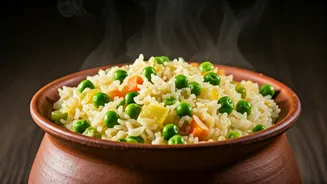
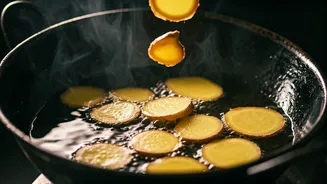
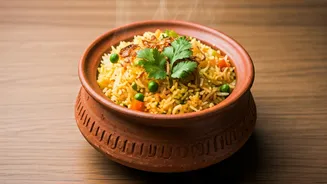
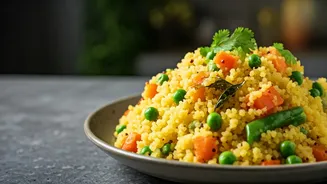
While spices are the heart of the flavour, other elements contribute to an irresistible texture and taste. Sautéing onions until they are deeply golden and caramelised adds a profound sweetness that balances the spices. Ginger and garlic paste, added after the onions, provide a pungent, zesty kick that brightens the dish. Finally, the choice of vegetables matters. Carrots and peas add sweetness, while beans and cauliflower provide a satisfying bite. For a final pro-tip, a tiny pinch of sugar can work wonders. It doesn’t make the pulao sweet; instead, it acts as a flavour enhancer, balancing the saltiness and the pungency of the spices to create a more rounded, harmonious taste.